
Support for Autoimmune Diseases: Managing Symptoms and Improving Health

Source:https://elifeclinics.com

You wake up after nine hours of sleep, yet you feel like you’ve just run a marathon while battling the flu. Your joints ache with a strange, migrating heat, and your “brain fog” is so thick you can’t remember where you parked the car. You look perfectly healthy on the outside, but inside, a civil war is raging. If this sounds like your daily reality, you are part of an alarming statistic: nearly 1 in 10 people worldwide are now living with an autoimmune condition.

In my twelve years as a health writer and advocate, I have seen the devastating frustration of the “invisible illness.” I’ve sat in rooms with patients who were told their symptoms were “just stress” for years before finally receiving a diagnosis. What I’ve learned is that Autoimmune Disease Support isn’t just about finding the right medication; it’s about learning to negotiate with a body that has forgotten how to distinguish “self” from “invader.”

Managing these conditions requires a shift from being a passive patient to becoming an active CEO of your own biology. Today, we’re going to dive into how you can reclaim your quality of life through data-driven strategies and compassionate self-care.

The Body’s Security Breach: Understanding Autoimmunity

To manage the symptoms, we have to understand the core malfunction. In a healthy body, the immune system is like an elite security team patrolling a building. It looks for intruders (viruses and bacteria) and neutralizes them.

In an autoimmune scenario, that security team becomes hyper-vigilant and confused. It starts seeing the building’s own plumbing (your joints), electrical wiring (your nerves), or structural beams (your organs) as the enemy. It launches an attack on the very thing it is supposed to protect.

Analogy Time: Imagine your immune system is a sophisticated home security system that has developed a software glitch. Instead of ringing the alarm for a burglar, it starts dousing your living room with the sprinkler system every time you walk into the kitchen. To fix the situation, you don’t just need to “mop up the water” (treat the symptoms); you need to recalibrate the software (balance the immune response).

The Pillars of Holistic Autoimmune Disease Support

While there are over 80 different types of autoimmune diseases—from Hashimoto’s and Rheumatoid Arthritis to Lupus and Celiac—the underlying “fire” is usually Systemic Inflammation. Effective support focuses on dampening that fire.

1. Nutritional Foundations: Anti-Inflammatory Fueling

Food is the most frequent “input” our immune system has to process. In my experience, the Autoimmune Protocol (AIP) or a modified Mediterranean approach can be life-changing.

  • The Goal: Remove potential “molecular mimicry” triggers like processed sugars, industrial seed oils, and for many, gluten and dairy.

  • The Addition: Flood the system with Omega-3 fatty acids (found in wild-caught fish) and colorful phytonutrients that act as natural “fire extinguishers” for cellular stress.

2. Gut Health and the “Leaky” Connection

Approximately 70-80% of your immune system resides in your gut. If your intestinal lining is compromised—a condition known as increased intestinal permeability (leaky gut)—partially undigested food particles can slip into the bloodstream. This keeps your security team on “High Alert,” fueling the autoimmune cycle. Focusing on Microbiome Diversity through prebiotic fibers and fermented foods is a cornerstone of recovery.

Navigating the “Spoon Theory” of Energy Management

One of the best tools for Autoimmune Disease Support is a psychological one called the Spoon Theory. It suggests that people with chronic illness start each day with a limited number of “spoons” (units of energy).

Every task—showering, driving to work, cooking—costs a spoon. Once you’re out of spoons, you’re done. There is no “pushing through.”

  • Strategy: Learn to “budget” your spoons. If you have a big event on Friday, you must be aggressively “cheap” with your spoons on Wednesday and Thursday.

  • Insight: I’ve observed that the fastest way to trigger a “flare-up” is to borrow spoons from tomorrow to pay for today. Your body will eventually charge you a high interest rate in the form of a systemic crash.

Scannable Strategies for Daily Management

If you want to improve your health outcomes, prioritize these scannable habits:

  • Prioritize Non-Negotiable Sleep: Sleep is when your “security team” does its maintenance work. Aim for 8-9 hours of circadian-aligned sleep.

  • Manage “Environmental Load”: Minimize exposure to endocrine disruptors and toxins in household cleaners and plastics that can confuse immune signaling.

  • Low-Impact Movement: Avoid high-intensity workouts during a flare. Opt for Restorative Yoga or swimming to maintain mobility without spiking cortisol.

  • Vagus Nerve Stimulation: Practices like deep breathing, humming, or cold-water splashes can move your body from “Fight or Flight” to “Rest and Digest.”

Expert Advice: Insights from the Trenches

After a decade of vetting research and speaking with leading rheumatologists, I’ve discovered “hidden” truths that can change your trajectory.

Tips Pro: The Vitamin D and T-Reg Connection

Most people know Vitamin D for bone health, but in the world of autoimmunity, it is a secosteroid hormone. It helps produce T-Regulatory (T-Reg) cells, which are the “peacekeepers” of the immune system. They tell the attackers to stand down. Ensure your Vitamin D levels are in the “Optimal” range (often 50-80 ng/mL) rather than just the “Standard” range.

The Emotional Landscape: Finding Community

The isolation of chronic illness is a symptom in itself. Finding Autoimmune Disease Support groups—either online or in-person—provides a “shorthand” for your experience. Being around people who understand that “fatigue” is different from being “tired” reduces the psychological burden of the disease.

I remember a client with Lupus who felt she was losing her identity. By connecting with a support group and focusing on Functional Medicine principles, she shifted her mindset from “fighting her body” to “negotiating with it.” She didn’t get her “old life” back, but she built a new, vibrant one that respected her boundaries.

Utilizing Technology for Better Data

We are in a golden age of personal health data. Using wearables to track Heart Rate Variability (HRV) can give you a 24-hour head start on a flare. A sudden drop in HRV often indicates that your immune system is revving up before you even feel the first joint ache. This data allows you to “cancel the day” and rest before the crash happens.

Conclusion: Becoming the Expert on You

Autoimmune Disease Support is a journey of becoming the world’s leading expert on your own body. It is about realizing that while your genes might load the gun, your environment and lifestyle pull the trigger.

You may have a diagnosis, but you are not your diagnosis. By quieting the internal noise through anti-inflammatory living, strategic pacing, and a supportive community, you can move from a state of “surviving” to a state of “thriving.” The road is long, and there will be detours, but every small choice to support your biology is a step toward peace.

What is the one “hidden trigger” you’ve discovered that always sets off your symptoms? Have you tried the “Spoon Theory” to budget your energy this week? Share your thoughts in the comments—I’m here to support your journey!
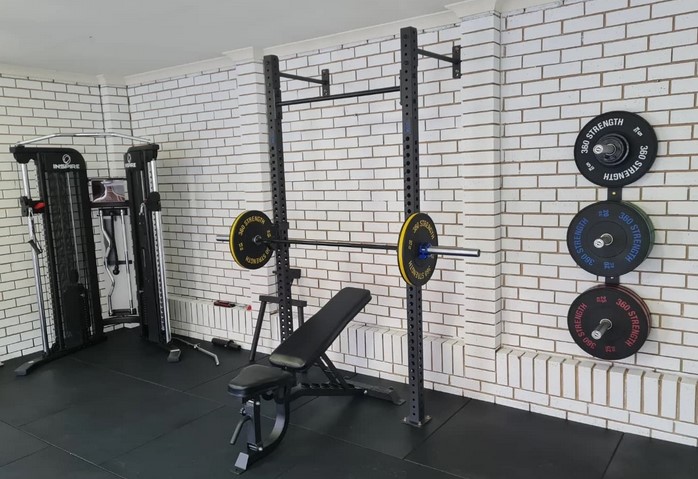

Home Gym Essentials: Must-Have Equipment for a Successful Workout

Source:https://www.littleblokefitness.com.au

It’s 6:00 PM on a rainy Monday. You’ve just finished a grueling work shift, and the thought of driving fifteen minutes to a crowded commercial gym—only to wait in line for a sweat-slicked bench—feels like a second job. You look at that dusty corner in your spare room or the empty space in your garage and think, “Could I actually get fit here?” The answer is a resounding yes. In fact, studies show that people with home setups are 33% more likely to stick to their fitness goals over a year compared to those with gym memberships alone.

In my twelve years as a health writer and fitness consultant, I’ve seen the “home gym” evolve from a single pair of rusty dumbbells into a high-performance sanctuary. I’ve personally made the mistake of buying “as-seen-on-TV” contraptions that ended up as expensive clothes hangers. What I’ve learned is that a successful home workout isn’t about having a room full of chrome machines; it’s about choosing high-utility home gym essentials that offer the most “bang for your buck” per square inch.

Building a home gym is like building a Swiss Army Knife. You don’t need a giant toolbox; you need a few high-quality tools that can do a hundred different things.

The Foundation: Why Less is Often More

The biggest trap beginners fall into is the “Complete Set” mentality. You don’t need a rack of twenty different dumbbells to see results. I’ve coached clients who transformed their physiques using nothing more than a few key items and a bit of floor space.

When you curate your home gym essentials, you are looking for Versatility, Durability, and Footprint. If a piece of equipment only does one movement (like a leg extension machine), it’s a waste of space. If it can help you squat, press, row, and lung, it’s a winner.

Analogy Time: Think of your home gym like a capsule wardrobe. Instead of fifty cheap shirts, you buy one high-quality blazer, a great pair of jeans, and a solid pair of boots. You can mix and match those few items to create dozens of outfits. Your equipment should work exactly the same way.

The “Big Three” Home Gym Essentials for Strength

If you want to build muscle and bone density—the pillars of longevity—you need resistance. Based on my decade of experience, these are the three non-negotiables.

1. Adjustable Dumbbells

Space is the ultimate currency in a home gym. A full rack of dumbbells can take up an entire wall. Adjustable versions allow you to change weights (from 5 lbs to 50 lbs or more) with the turn of a dial. This allows for progressive overload—the technical process of gradually increasing the stress on your body to force it to get stronger.

2. Resistance Bands (The “Hidden” Heavy Lifter)

Don’t be fooled by their lightweight appearance. Heavy-duty looped resistance bands provide Variable Linear Resistance. This means the further you stretch the band, the harder it gets. This mimics the natural “strength curve” of your muscles, making them incredibly effective for both strength training and mobility work. Plus, they fit in a drawer.

3. A Multi-Purpose Adjustable Bench

Training on the floor limits your range of motion. A sturdy, adjustable bench allows you to perform incline presses, seated rows, and step-ups. Look for one with a high weight capacity and “grippy” upholstery; you don’t want to be sliding around when you’re trying to push a personal best.

Cardio and Conditioning Without the Treadmill

Many people think home gym essentials must include a $2,000 treadmill. I’m here to tell you that unless you are a competitive marathon runner, you can skip the bulky cardio machines.

  • The Jump Rope: For under $20, a jump rope provides some of the highest metabolic conditioning possible. Ten minutes of jumping rope can burn as many calories as an eight-minute mile run, while improving your coordination and bone density in the feet and ankles.

  • Kettlebells: The kettlebell is a hybrid tool. It provides a brutal cardio workout through “swings” and “snatches,” while doubling as a weight for squats and presses. If I could only have one piece of equipment for the rest of my life, it would be a 16kg or 24kg kettlebell.

Scannable Checklist: Curating Your Space

If you are just starting out, use this list to prioritize your purchases:

  • High-Density Flooring: Protect your joints and your floor tiles with interlocking rubber mats.

  • Pull-Up Bar: Even if you can’t do a full pull-up yet, “dead hangs” are excellent for spinal decompression and grip strength.

  • Suspension Trainer (TRX): Uses your body weight as resistance and can be anchored to any door. Excellent for “core stability” and functional movement.

  • Foam Roller: Your “in-home” massage therapist. Essential for myofascial release and reducing post-workout soreness.

Expert Advice: Insights from the Trenches

After a decade of reviewing gear and testing setups, I’ve discovered a few “hidden truths” that will save you money and frustration.

Tips Pro: The “Mirror” Psychology

Never underestimate the power of a large wall mirror. It’s not about vanity; it’s about Biofeedback. In a home gym, you don’t have a coach to correct your form. Watching your reflection during a deadlift or a squat helps you spot “rounding” in your back or “caving” in your knees. It is the cheapest safety insurance you can buy.

The Mental Shift: Consistency Over Equipment

The most important “equipment” in your home gym isn’t something you can buy at a sporting goods store—it’s your routine.

The danger of a home gym is that it’s always there, which makes it easy to say, “I’ll just do it later.” I’ve found that the most successful home athletes have a “Trigger.” Put on your workout shoes, turn on a specific playlist, and step into your designated “fitness zone.” Treat your home workout with the same respect you would a paid appointment with a trainer.

Conclusion: Build Your Sanctuary Today

Choosing the right home gym essentials is an investment in your future self. By focusing on versatile tools like adjustable dumbbells, resistance bands, and a solid bench, you remove the barriers of time, travel, and “gym-timidation.”

You don’t need a palace; you just need a corner and the commitment to show up. Start small—perhaps with just a kettlebell and a mat—and build your sanctuary as your strength grows. The best time to start was yesterday; the second best time is right now.

Are you planning to convert a garage, a bedroom, or just a corner of your living room? What’s the one piece of equipment you absolutely can’t live without? Share your home gym dreams in the comments below—I’d love to help you optimize your layout!

Botox and Fillers: What You Should Know Before Getting Treatments

Source:https://biotechhealthcare.com

You’re standing in front of the bathroom mirror, pulling the skin near your temples back just a fraction of an inch. You’re tracking that one stubborn “11” line between your brows that seems to stay even when you’re smiling, or perhaps you’re noticing that your favorite lipstick is starting to bleed into tiny vertical lines on your upper lip. You aren’t looking for a “new face,” you just want to look as refreshed as you feel after a week-long vacation.

In my twelve years as a health and aesthetics writer, I’ve seen the industry shift from “hush-hush” back-alley secrets to a multi-billion dollar mainstream phenomenon. But here is the startling truth: despite their popularity, a huge percentage of first-time patients cannot tell the difference between Botox and Fillers. I’ve sat in consultation rooms where patients asked for Botox in their lips or Fillers to stop their forehead from moving.

Entering the world of “tweakments” without a map is a recipe for a result you might regret. Today, we’re going to strip away the marketing fluff and look at the technical reality of what these needles actually do to your anatomy.

The Foundation: Understanding the Difference

The biggest hurdle for beginners is realizing that Botox and Fillers are not interchangeable; they are tools that solve two completely different architectural problems in the face.

Analogy Time: Think of your face like a bed. Over time, two things happen. First, the person sleeping in the bed tosses and turns, causing the sheets to wrinkle. Second, the mattress starts to sag and lose its stuffing.

  • Botox is like an iron that smooths out the wrinkled sheets.

  • Fillers are like adding new fluff back into the mattress to restore its shape.

Botox: The Muscle Relaxant (Neuromodulators)

When we talk about Botox and Fillers, Botox (and its cousins like Dysport or Xeomin) falls under the category of neuromodulators.

These treatments work by temporarily blocking the nerve signals to specific muscles. When the muscle can’t contract, the skin sitting on top of it can’t fold. This is why it’s the gold standard for dynamic wrinkles—the lines that appear when you express yourself, like crow’s feet or forehead furrows.

Technical Insight: The Units vs. Areas Debate

In my experience, patients often get confused by pricing. Botox is typically sold by the Unit, not by the area. A “frozen” look usually happens when too many units are used in a single spot, or when the injector ignores the antagonist muscles. A skilled injector knows that if you relax the forehead too much without balancing the brow-lifters, your eyelids might feel heavy or “hooded.”

Dermal Fillers: The Volume Restorers

While Botox handles movement, Fillers handle structure. Most modern fillers are made of Hyaluronic Acid (HA), a sugar molecule that occurs naturally in your skin and can hold up to 1,000 times its weight in water.

We use fillers to address static wrinkles (lines that are there even when your face is at rest) and to replace lost fat pads in the cheeks, temples, and jawline. Because HA is natural, your body eventually breaks it down, which is why these treatments aren’t permanent.

The Science of “G-Prime”

In the industry, we talk about a filler’s G-Prime. This is a measure of the gel’s hardness. A high G-Prime filler is “stiff” and acts like a bone substitute for sharp jawlines. A low G-Prime filler is “soft” and fluid, perfect for the delicate skin under the eyes or for subtle lip hydration. If an injector uses a high G-Prime filler in your lips, they’ll end up feeling like hard sausages—definitely not the goal.

Scannable Checklist: Which One Do You Need?

If you’re trying to decide between Botox and Fillers, look at your specific concern:

  • Concern: Forehead lines or Crow’s feet. -> Solution: Botox. (Relaxes the muscle causing the crease).

  • Concern: Deep hollows under the eyes. -> Solution: Fillers. (Adds volume to bridge the gap).

  • Concern: Thinning lips. -> Solution: Fillers. (Physically plumps the tissue).

  • Concern: Downward-turned mouth corners. -> Solution: Often a combination. (Botox to relax the “pull-down” muscle and Filler to support the corner).

Expert Advice: Insights from a Decade in the Field

I have interviewed dozens of board-certified dermatologists and plastic surgeons, and the advice remains consistent: your injector’s eye is more important than the brand of the product.

Tips Pro: The “Pre-Juve” Strategy

There is a trend called “Preventative Botox.” The idea is to start small doses before a wrinkle becomes “etched” into the skin. If you can see a faint line when your face is totally relaxed, that’s usually the time to start. Once a wrinkle is deep enough that it looks like a scar, Botox alone won’t fix it; you’ll need laser resurfacing or fillers to “fill” the crack.

Safety and Longevity: What to Expect

  • Botox Results: Take 5 to 14 days to fully kick in. It typically lasts 3 to 4 months.

  • Filler Results: Are instant, though you will have swelling for about 48–72 hours. It can last anywhere from 6 to 18 months depending on the area.

  • Downtime: Both are “lunchtime procedures.” You might have small bruises, but you can usually go back to work. However, avoid heavy exercise for 24 hours to prevent the product from migrating or increasing swelling.

The Psychological Component: Avoid “Face Blindness”

One phenomenon I’ve observed is “filler fatigue” or “perception drift.” When you look at your face every day, you stop seeing the changes. You get one syringe of filler, love it, and then three months later, you think it’s “gone” and want more.

In reality, the filler is still there; you’ve just gotten used to your new look. This is how “Pillow Face” happens. A great injector will sometimes tell you “No,” and that is the injector you want to keep for life.

Conclusion: Empower Your Aesthetics Journey

Deciding to explore Botox and Fillers is a personal choice that should be rooted in self-care, not external pressure. When done correctly, these treatments shouldn’t make you look like a different person; they should make you look like you’ve had the best sleep of your life.

Do your research, choose a medical professional (not just a “med-spa” with a good Instagram), and start slow. The goal of modern aesthetics is for people to notice you look great, without ever realizing you’ve had “work” done.

Are you leaning more toward smoothing lines or restoring volume? Or do you have a question about the “pinch” factor of the needles? Let’s chat in the comments—I’m here to help you navigate the world of needles and nerves!

How to Implement a Digital Detox Routine for Better Mental Health

Source:https://americanbehavioralclinics.com

You’re lying in bed at 11:30 PM. Your eyes are stinging, your neck has a dull ache, and you’ve just spent forty-five minutes scrolling through the vacation photos of someone you haven’t spoken to since high school. You feel a strange mix of exhaustion and restlessness—a “tired-wired” state that has become the modern baseline. If this sounds familiar, you aren’t alone; the average adult now spends over seven hours a day looking at screens, and the psychological toll is starting to show.

In my twelve years as a health writer, I’ve seen that our relationship with technology has shifted from a tool for productivity to a primary source of chronic stress. I’ve personally sat in clinical settings where “tech-induced anxiety” is becoming as common as the common cold. What I’ve learned is that we don’t need to throw our iPhones into the ocean; we need a sustainable Digital Detox Routine that mimics how we treat our physical health—with boundaries and recovery periods.

Digital detoxing isn’t about being anti-technology; it’s about being pro-human. It’s about reclaiming your attention from algorithms designed to hijack your dopamine system.

The Neurology of the “Infinite Scroll”

To fix the problem, we have to understand the biological trap. Most apps are designed using variable ratio schedules of reinforcement—the same psychological principle that makes slot machines so addictive. Every time you pull down to refresh, you’re gambling for a hit of dopamine in the form of a like, a comment, or a headline.

This constant stimulation keeps your nervous system in a state of high arousal. Your prefrontal cortex, the part of the brain responsible for executive function and emotional regulation, becomes fatigued. This leads to what we call “Decision Fatigue” and a diminished capacity for deep, meaningful focus.

Analogy Time: Think of your attention like a reservoir of water. Every notification, email, and social media post is a tiny leak. By 4:00 PM, if you haven’t plugged those leaks, your reservoir is empty. A Digital Detox Routine is the infrastructure you build to keep your reservoir full so you can use your energy for things that actually matter.

Designing Your Digital Detox Routine: A Step-by-Step Guide

In my experience, “cold turkey” detoxes rarely work long-term. They are the “fad diets” of the mental health world. Instead, we want to implement a gradual, habit-based approach that integrates into your existing life.

1. The “Sunset” Protocol

Your circadian rhythm is incredibly sensitive to blue light, which suppresses melatonin production. To implement a healthy Digital Detox Routine, you must create a digital sunset.

  • The Rule: No screens 60 minutes before bed.

  • The Practical Shift: Buy an old-fashioned alarm clock. If your phone is your alarm, it is the last thing you see at night and the first thing you grab in the morning. Removing it from the bedroom is the single most effective move you can make.

2. Physical Boundaries: Digital-Free Zones

We’ve become “phubbers” (phone snubbers), often choosing our screens over the person sitting across from us. To combat this, designate physical spaces where technology is strictly prohibited.

  • The Dining Table: Make meals a sacred space for conversation or mindful eating.

  • The Bathroom: Stop bringing your phone into the bathroom. It’s a five-minute break your brain needs to process thoughts without external input.

3. Notification Auditing

You are currently at the mercy of every app developer who wants your time. Reclaim your agency by auditing your push notifications.

  • The Strategy: Turn off all non-human notifications. If a real person isn’t trying to reach you (call or text), you don’t need a buzz in your pocket. Likes, news alerts, and game updates are “attention thieves.”

Scannable Habits for Mental Clarity

If you want to improve your mental well-being, start with these scannable adjustments to your daily life:

  • Grayscale Mode: Turn your phone screen to grayscale. Most apps use bright, “candy-colored” icons to trigger your brain. When the screen is gray, it becomes significantly less stimulating.

  • The 20-20-20 Rule: To reduce eye strain and physical tension, every 20 minutes, look at something 20 feet away for 20 seconds.

  • Scheduled Batching: Check your emails and social media at specific times (e.g., 9 AM, 1 PM, and 4 PM) rather than reacting to them the moment they arrive.

  • Analog Alternatives: Replace one digital habit with an analog one. Read a paper book, use a physical journal, or take a walk without headphones.

Expert Advice: Insights from a Decade in Wellness

After observing the habits of high-performers and those struggling with burnout, I’ve realized that the most successful “detoxers” focus on displacement rather than deprivation.

Tips Pro: The “First Hour” Rule

The first hour of your day sets the tone for your nervous system. If you start your morning by responding to emails or reading stressful news, you are starting in a reactive state. Spend the first 60 minutes of your day “analog”—stretch, drink water, or write. You will find that your resilience to stress increases significantly throughout the day.

Peringatan Tersembunyi: The Ghost Vibration Syndrome

Have you ever felt your phone vibrate in your pocket, only to find it wasn’t there? This is called Phantom Vibration Syndrome. It’s a sign that your nervous system has become hypersensitized to technology. If you experience this, it is a clinical red flag that your Digital Detox Routine needs to be more aggressive. It means your brain is literally “anticipating” a digital hit.

The Psychological Reward of Disconnecting

When you implement a Digital Detox Routine, you aren’t just “saving time.” You are practicing Mindfulness and improving your Internal Locus of Control.

Research has shown that reducing screen time significantly lowers levels of cortisol (the stress hormone) and improves sleep architecture. But the real benefit is the return of “The Gap.” The gap is that quiet space between thoughts where creativity and self-reflection live. Without it, we become mere reactors to the world’s demands.

I remember a specific client who was a high-level executive suffering from “brain fog” so severe she thought she had early-onset cognitive decline. After three weeks of a structured digital sunset and notification batching, her “fog” lifted. It wasn’t a medical issue; it was sensory overload.

Conclusion: Reclaim Your Life from the Algorithm

Implementing a Digital Detox Routine is an act of self-respect. It is a declaration that your attention is yours to give, not a commodity to be sold to the highest bidder.

Start small. This evening, leave your phone in the kitchen when you go to bed. Tomorrow morning, don’t check your emails until you’ve finished your first cup of coffee. You’ll be surprised at how much louder your own voice becomes when the digital noise is turned down.

What is the one app that drains your energy more than any other? Are you ready to try the “Grayscale” challenge for 24 hours? Share your thoughts in the comments below—let’s reclaim our focus together!

Common Digestive Disorders and How to Manage Them

Source:https://bepharco.com

It’s 2:00 PM, and instead of tackling your afternoon meetings, you’re huddled in a bathroom stall, wondering if that “healthy” salad you had for lunch was actually a mistake. Your stomach feels like it’s inflating like a hot air balloon, and a sharp, burning sensation is creeping up your chest. If this sounds familiar, you aren’t alone. Statistics show that nearly 40% of adults worldwide suffer from functional digestive disorders, turning the simple act of eating into a high-stakes game of Russian roulette.

In my twelve years as a health writer and practitioner, I’ve seen that the gut is more than just a tube for food; it is the “second brain” of the body. I’ve sat with patients who have tried every restrictive diet on the planet, only to find that the secret to gut health wasn’t just about what they ate, but how their entire biological system was communicating.

Managing gut issues isn’t just about popping antacids; it’s about becoming a detective in your own internal ecosystem. Let’s pull back the curtain on why your gut is acting out and how you can finally reclaim your comfort.

The Plumbing Problem: Understanding Your Gut’s Design

To understand digestive disorders, we first have to understand the “plumbing.” Your gastrointestinal (GI) tract is a 30-foot-long muscular tube designed to break down food, absorb nutrients, and expel waste.

When everything is working, it’s a symphony of movement. But when a “cog” in the machine breaks, we see the symptoms we all dread: bloating, acidity, and irregular bowel habits.

Analogy Time: Think of your digestive system like a conveyor belt in a busy factory. If the workers at the start (the stomach) are too slow, everything piles up. If the workers at the end (the colon) go on strike, the whole factory shuts down. Digestive disorders occur when the “speed” or “efficiency” of this belt is compromised.

Decoding Common Digestive Disorders: The Usual Suspects

Most people I work with are suffering from one of four primary conditions. Recognizing which one fits your pattern is the first step toward effective management.

1. Gastroesophageal Reflux Disease (GERD)

This is more than just occasional heartburn. GERD happens when the Lower Esophageal Sphincter (LES)—the trapdoor between your throat and stomach—becomes weak. This allows caustic gastric acid to splash upward, damaging the delicate lining of your esophagus.

2. Irritable Bowel Syndrome (IBS)

IBS is a “functional” disorder, meaning the hardware (the organs) looks fine on a scan, but the software (the nerves) is glitchy. It is often characterized by a hypersensitive gut-brain axis, where stress or certain foods trigger cramping, gas, and a mix of diarrhea or constipation.

3. Small Intestinal Bacterial Overgrowth (SIBO)

This is a condition I’ve seen explode in prevalence recently. SIBO happens when bacteria that should live in your large intestine migrate “upstream” into the small intestine. They begin fermenting your food prematurely, leading to that “pregnant-looking” bloat immediately after eating.

4. Inflammatory Bowel Disease (IBD)

Unlike IBS, IBD (which includes Crohn’s and Ulcerative Colitis) involves actual physical damage and autoimmune inflammation of the gut wall. This requires a much more intensive clinical approach.

Tactical Strategies for Gut Management

Managing digestive disorders requires a three-pronged approach: biological, nutritional, and psychological.

The Power of Fiber Calibration

We’ve all been told to “eat more fiber,” but for someone with an inflamed gut, a massive bowl of raw kale can be like rubbing sandpaper on a wound.

  • Soluble Fiber: (Oats, avocados) acts like a sponge, softening stool and soothing the gut lining.

  • Insoluble Fiber: (Seeds, skins of fruit) acts like a broom, speeding up transit time.

    If you’re prone to diarrhea, you need more “sponges.” If you’re constipated, you need more “brooms.”

The “Rest and Digest” Protocol

In my experience, many people aren’t suffering from “bad food,” but from “bad timing.” If you eat while your body is in Sympathetic Overdrive (Fight or Flight), your stomach stops producing the necessary hydrochloric acid (HCL) and enzymes.

I’ve seen patients reduce their reflux symptoms by 50% simply by taking three deep, diaphragmatic breaths before their first bite. This signals the vagus nerve to “unlock” the digestive factory.

Scannable Tips for a Happier Gut

If you want to move the needle on your digestive disorders, start with these high-impact changes:

  • Chew Until Liquid: Your stomach doesn’t have teeth. Large chunks of food reaching the small intestine are a primary cause of fermentation and gas.

  • Watch Your “Transit Time”: Ideally, what you eat should leave your body within 12 to 24 hours. Longer than that, and you are re-absorbing toxins; shorter, and you aren’t absorbing nutrients.

  • Hydration Balance: Drink water between meals, not during them. Too much liquid with food can dilute your stomach acid, making protein digestion much harder.

  • The “Low FODMAP” Check: For those with severe bloating, temporarily reducing fermentable carbohydrates (FODMAPs) can give the gut a much-needed “reset.”

Expert Advice: Insights from the Field

Over a decade of practice, I’ve discovered a few “hidden” truths that you won’t always find on a standard medical pamphlet.

Tips Pro: The “Bitter” Secret

Our modern diets are devoid of bitter flavors. However, bitter tastes on the tongue trigger the release of gastrin, which jumpstarts the entire digestive process. Try eating a small arugula salad or taking digestive bitters 15 minutes before a heavy meal to “prime the pump.”

Peringatan Tersembunyi: The Downside of Long-Term PPIs

Proton Pump Inhibitors (PPIs) are great for short-term reflux relief, but using them for years can be dangerous. They suppress stomach acid so much that you can’t absorb B12, Magnesium, or Calcium, and you lose your first line of defense against foodborne pathogens. Always work with a professional to find the root cause of your acidity rather than just silencing the symptom.

The Microbiome Frontier: Feeding Your Inner Garden

Your gut is home to trillions of microbes—the gut microbiome. We now know that these bacteria influence everything from your mood (via serotonin production) to your immune system.

When you have digestive disorders, your “inner garden” is often overgrown with weeds (bad bacteria) and lacking in flowers (good bacteria). While probiotics can help, the best way to fix the garden is through prebiotics—the specific fibers that feed the good guys. Think of probiotics as “seeds” and prebiotics as “fertilizer.” You need both to flourish.

Conclusion: Take Back Your Life

Living with digestive disorders can feel isolating and exhausting. But your gut is incredibly resilient. By shifting from a mindset of “fighting” your symptoms to “supporting” your biology, you can find a rhythm that works for you.

Start small: focus on your breathing, chew your food thoroughly, and pay attention to the data your body is giving you every day. You don’t have to live in fear of your next meal.

Do you feel like your gut has a “personality” of its own? What’s the one food that always seems to trigger your symptoms? Share your story in the comments below—let’s troubleshoot our gut health together!

Swimming for Fitness: Why It’s One of the Best Workouts

Source:https://www.thevenueleisurecentre.co.uk

You’re standing at the edge of the pool, the scent of chlorine hitting you like a wave of nostalgia. You look at the lane next to you where a 70-year-old is gliding through the water with the grace of a dolphin, while you, perhaps half their age, are nursing a nagging knee injury or feeling the weight of a stressful work week. You dive in. The world goes silent. Suddenly, that gravity-bound aches and pains vanish, replaced by a rhythmic, full-body resistance that no treadmill can replicate.

In my twelve years as a health writer and fitness advocate, I’ve seen countless exercise trends come and go—from high-intensity interval training that leaves people burnt out to fad diets that ignore biology. But whenever someone asks me for the “holy grail” of longevity and physical conditioning, I always point them back to the water. Swimming for fitness isn’t just a hobby for the summer; it is a sophisticated, low-impact powerhouse that reshapes your body from the inside out.

The Zero-Gravity Advantage: Protecting Your Joints

The most profound “insight” I’ve gained from working with athletes and physical therapists is that our biggest enemy as we age is impact. Running on pavement is like taking a hammer to your ankles and lower back with every stride.

When you submerge yourself in water, you are effectively “weightless.” Water provides up to 90% buoyancy, meaning your joints only carry a fraction of your body weight. For someone recovering from surgery or dealing with chronic inflammation, this is a sanctuary.

Analogy Time: Think of water as a 360-degree resistance band. On land, you only fight gravity in one direction (down). In the pool, every move you make—pushing, pulling, even staying still—is met with resistance that is 12 to 14 times thicker than air. You’re building muscle while being cradled by a liquid cushion.

The “Internal Gym”: Cardiovascular and Respiratory Mastery

Many beginners assume swimming for fitness is just about toning the arms and legs. While the muscular definition is a nice perk, the real magic happens in your heart and lungs.

1. Aerobic vs. Anaerobic Benefits

Swimming is unique because it constantly shifts between aerobic (endurance) and anaerobic (sprint) states. Because you have to time your breathing, you are essentially performing Hypoxic Training. This teaches your body to use oxygen more efficiently, lowering your resting heart rate and increasing your VO2 Max.

2. The Hydrostatic Pressure Effect

When you are in the water, the pressure against your skin—known as hydrostatic pressure—actually helps your blood return to your heart more efficiently. It’s like wearing a full-body compression suit that reduces swelling and improves circulation while you move.

Why Swimming Outperforms Other Workouts

If we look at the data, the caloric burn of swimming is staggering. A vigorous hour of laps can burn between 500 and 700 calories, often surpassing running or cycling without the risk of stress fractures.

  • Total Body Engagement: Unlike a bicep curl or a leg press, a single stroke of Freestyle (Front Crawl) engages your lats, deltoids, core, glutes, and hip flexors simultaneously.

  • Active Recovery: Because it doesn’t cause eccentric muscle damage (the kind that makes you “sore” the next day), swimming is the perfect tool for active recovery.

  • Metabolic Afterburn: The effort required to keep your body temperature stable in cool water can actually give your metabolism a slight extra “kick.”

Mastering the Strokes: Which One Should You Choose?

As you progress in swimming for fitness, variety becomes your best friend. In my experience, the most balanced athletes rotate through at least three different strokes to ensure no muscle group is overworked.

The Freestyle (Front Crawl)

The fastest and most calorie-dense stroke. It focuses heavily on the latissimus dorsi and core rotation. If your goal is cardiovascular health, this is your bread and butter.

The Breaststroke

A fantastic “recovery” stroke that emphasizes the inner thighs and chest. It’s less taxing on the lungs, making it great for building endurance in your early weeks.

The Backstroke

My personal favorite for anyone with a desk job. It forces the chest to open up and engages the posterior chain (the muscles in your back and shoulders), countering the “hunch” we develop from staring at phones and laptops.

Expert Advice: Navigating the “Pool Wall”

I’ve seen many beginners quit after two weeks because they feel “exhausted” after just two laps. This isn’t because they are out of shape; it’s usually because of poor technique or “breath panic.”

Tips Pro: The “Exhale” Secret

Most beginners hold their breath while their face is in the water, which leads to a buildup of CO2 in the lungs. This creates that “gasping” feeling. The secret? Slowly exhale through your nose the entire time your face is submerged. By the time you turn to take a breath, your lungs should be empty and ready for a fresh hit of oxygen.

Peringatan Tersembunyi: The Dehydration Trap

Here is a “hidden warning” that catches even intermediate swimmers off guard: You are sweating in the pool. Because the water cools you down, you don’t feel the sweat, but you are losing fluids rapidly. Always keep a water bottle at the end of your lane. Dehydration in the pool leads to muscle cramps and that “heavy” feeling in your limbs.

Equipment: What Do You Actually Need?

You don’t need a high-tech tech-suit to see results. For swimming for fitness, I recommend a “Minimalist High-Quality” approach:

  • Goggles: Invest in a pair with a good seal to avoid “raccoon eyes” and chlorine irritation.

  • Kickboard: Great for isolating the legs and building a powerful kick.

  • Pull Buoy: A foam float you put between your legs. It keeps your lower body afloat, allowing you to focus entirely on your arm technique and upper body strength.

The Mental Health Dividend: The “Blue Mind” Effect

As a health writer, I would be remiss if I didn’t mention the psychological impact. There is a concept called the “Blue Mind”—the mildly meditative state we enter when near, in, or under water.

In the pool, there are no notifications, no podcasts, and no distractions. It is one of the last places on earth where you can be truly “unplugged.” The repetitive nature of the strokes acts as a form of moving meditation, significantly lowering cortisol levels and clearing mental fog.

Conclusion: Dive Into Your New Routine

Swimming for fitness is perhaps the most sustainable gift you can give your body. Whether you are looking to shed weight, recover from an injury, or simply find a sanctuary from the chaos of modern life, the water is waiting for you.

Don’t worry about being the fastest in the lane. Focus on the glide, the rhythm of your breath, and the feeling of the water against your skin. Your future self—the one with stronger lungs, a healthier heart, and pain-free joints—will thank you for taking the plunge.

Are you a “morning lap” person or an “evening glider”? Or maybe you’re still nervous about your first day back in the pool? Let’s talk about your swimming goals in the comments below!