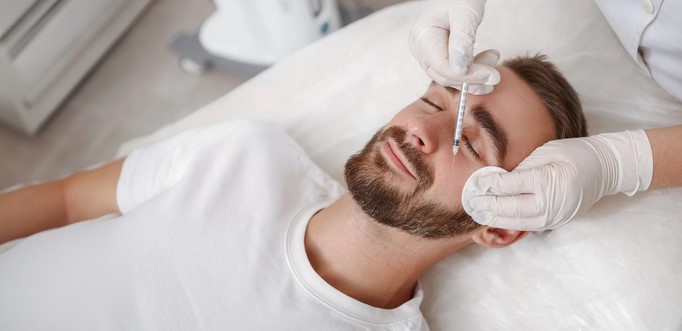
Botox and Fillers: What You Should Know Before Getting Treatments

Source:https://biotechhealthcare.com

You’re standing in front of the bathroom mirror, pulling the skin near your temples back just a fraction of an inch. You’re tracking that one stubborn “11” line between your brows that seems to stay even when you’re smiling, or perhaps you’re noticing that your favorite lipstick is starting to bleed into tiny vertical lines on your upper lip. You aren’t looking for a “new face,” you just want to look as refreshed as you feel after a week-long vacation.

In my twelve years as a health and aesthetics writer, I’ve seen the industry shift from “hush-hush” back-alley secrets to a multi-billion dollar mainstream phenomenon. But here is the startling truth: despite their popularity, a huge percentage of first-time patients cannot tell the difference between Botox and Fillers. I’ve sat in consultation rooms where patients asked for Botox in their lips or Fillers to stop their forehead from moving.

Entering the world of “tweakments” without a map is a recipe for a result you might regret. Today, we’re going to strip away the marketing fluff and look at the technical reality of what these needles actually do to your anatomy.

The Foundation: Understanding the Difference

The biggest hurdle for beginners is realizing that Botox and Fillers are not interchangeable; they are tools that solve two completely different architectural problems in the face.

Analogy Time: Think of your face like a bed. Over time, two things happen. First, the person sleeping in the bed tosses and turns, causing the sheets to wrinkle. Second, the mattress starts to sag and lose its stuffing.

  • Botox is like an iron that smooths out the wrinkled sheets.

  • Fillers are like adding new fluff back into the mattress to restore its shape.

Botox: The Muscle Relaxant (Neuromodulators)

When we talk about Botox and Fillers, Botox (and its cousins like Dysport or Xeomin) falls under the category of neuromodulators.

These treatments work by temporarily blocking the nerve signals to specific muscles. When the muscle can’t contract, the skin sitting on top of it can’t fold. This is why it’s the gold standard for dynamic wrinkles—the lines that appear when you express yourself, like crow’s feet or forehead furrows.

Technical Insight: The Units vs. Areas Debate

In my experience, patients often get confused by pricing. Botox is typically sold by the Unit, not by the area. A “frozen” look usually happens when too many units are used in a single spot, or when the injector ignores the antagonist muscles. A skilled injector knows that if you relax the forehead too much without balancing the brow-lifters, your eyelids might feel heavy or “hooded.”

Dermal Fillers: The Volume Restorers

While Botox handles movement, Fillers handle structure. Most modern fillers are made of Hyaluronic Acid (HA), a sugar molecule that occurs naturally in your skin and can hold up to 1,000 times its weight in water.

We use fillers to address static wrinkles (lines that are there even when your face is at rest) and to replace lost fat pads in the cheeks, temples, and jawline. Because HA is natural, your body eventually breaks it down, which is why these treatments aren’t permanent.

The Science of “G-Prime”

In the industry, we talk about a filler’s G-Prime. This is a measure of the gel’s hardness. A high G-Prime filler is “stiff” and acts like a bone substitute for sharp jawlines. A low G-Prime filler is “soft” and fluid, perfect for the delicate skin under the eyes or for subtle lip hydration. If an injector uses a high G-Prime filler in your lips, they’ll end up feeling like hard sausages—definitely not the goal.

Scannable Checklist: Which One Do You Need?

If you’re trying to decide between Botox and Fillers, look at your specific concern:

  • Concern: Forehead lines or Crow’s feet. -> Solution: Botox. (Relaxes the muscle causing the crease).

  • Concern: Deep hollows under the eyes. -> Solution: Fillers. (Adds volume to bridge the gap).

  • Concern: Thinning lips. -> Solution: Fillers. (Physically plumps the tissue).

  • Concern: Downward-turned mouth corners. -> Solution: Often a combination. (Botox to relax the “pull-down” muscle and Filler to support the corner).

Expert Advice: Insights from a Decade in the Field

I have interviewed dozens of board-certified dermatologists and plastic surgeons, and the advice remains consistent: your injector’s eye is more important than the brand of the product.

Tips Pro: The “Pre-Juve” Strategy

There is a trend called “Preventative Botox.” The idea is to start small doses before a wrinkle becomes “etched” into the skin. If you can see a faint line when your face is totally relaxed, that’s usually the time to start. Once a wrinkle is deep enough that it looks like a scar, Botox alone won’t fix it; you’ll need laser resurfacing or fillers to “fill” the crack.

Safety and Longevity: What to Expect

  • Botox Results: Take 5 to 14 days to fully kick in. It typically lasts 3 to 4 months.

  • Filler Results: Are instant, though you will have swelling for about 48–72 hours. It can last anywhere from 6 to 18 months depending on the area.

  • Downtime: Both are “lunchtime procedures.” You might have small bruises, but you can usually go back to work. However, avoid heavy exercise for 24 hours to prevent the product from migrating or increasing swelling.

The Psychological Component: Avoid “Face Blindness”

One phenomenon I’ve observed is “filler fatigue” or “perception drift.” When you look at your face every day, you stop seeing the changes. You get one syringe of filler, love it, and then three months later, you think it’s “gone” and want more.

In reality, the filler is still there; you’ve just gotten used to your new look. This is how “Pillow Face” happens. A great injector will sometimes tell you “No,” and that is the injector you want to keep for life.

Conclusion: Empower Your Aesthetics Journey

Deciding to explore Botox and Fillers is a personal choice that should be rooted in self-care, not external pressure. When done correctly, these treatments shouldn’t make you look like a different person; they should make you look like you’ve had the best sleep of your life.

Do your research, choose a medical professional (not just a “med-spa” with a good Instagram), and start slow. The goal of modern aesthetics is for people to notice you look great, without ever realizing you’ve had “work” done.

Are you leaning more toward smoothing lines or restoring volume? Or do you have a question about the “pinch” factor of the needles? Let’s chat in the comments—I’m here to help you navigate the world of needles and nerves!

Laser Skin Treatment: Is It Right for You?

Source:https://www.bodycraft.co.in

In recent years, laser skin treatment has become an increasingly popular option for those looking to improve their skin’s appearance and texture. From acne scars and pigmentation issues to wrinkles and sun damage, laser technology promises to tackle a wide range of skin concerns with minimal downtime. However, while the results can be remarkable, laser treatments are not a one-size-fits-all solution. Before making the decision, it’s crucial to understand how laser skin treatment works, what benefits it offers, and whether it’s the right choice for your individual skin needs. In this article, we’ll explore the different types of laser skin treatments, the potential benefits, risks, and how to determine if it’s the right solution for you.

Understanding Laser Skin Treatments

Laser skin treatment utilizes focused light beams to target and treat various skin concerns. The treatment works by stimulating the skin’s natural healing processes, encouraging the production of collagen, which helps the skin regenerate and rejuvenate over time. Laser treatments can be classified into two primary categories: ablative and non-ablative lasers.

1. Ablative Lasers

Ablative lasers, such as CO2 and erbium lasers, work by removing the outer layers of skin to reveal the healthier skin underneath. This type of laser is particularly effective for addressing deep wrinkles, scars, and significant skin discoloration. Ablative treatments usually involve some recovery time, as the skin needs to heal after the outer layers are removed.

2. Non-Ablative Lasers

Non-ablative lasers, like fractional lasers, target the deeper layers of the skin without damaging the surface. They work by stimulating collagen production and are ideal for treating mild wrinkles, pigmentation issues, and overall skin texture. Non-ablative treatments typically require little to no downtime, making them a popular choice for those with busy lifestyles.

Benefits of Laser Skin Treatment

Laser skin treatments offer numerous benefits, making them an attractive option for those seeking to improve their skin’s appearance. Here are some of the most notable advantages of opting for laser treatments:

1. Non-Invasive and Minimally Disruptive

Unlike surgical procedures, laser skin treatment is non-invasive, meaning it doesn’t require any cuts or stitches. For those who want to avoid the risks and downtime associated with traditional surgery, laser treatments are an excellent option. Most procedures are performed in a clinic or office setting, and many require little to no anesthesia.

2. Targeted Treatment for Specific Skin Issues

Laser treatments can be tailored to address specific skin concerns. Whether you’re dealing with acne scars, fine lines, pigmentation issues, or sun damage, there’s a laser treatment designed to target the underlying cause of your skin problems. Lasers can even be adjusted in intensity to suit your skin type and condition, allowing for customized treatment.

3. Quick Recovery and Minimal Downtime

For many people, one of the main benefits of laser skin treatment is the relatively short recovery time. Non-ablative lasers typically allow individuals to resume their normal activities almost immediately after the procedure, while ablative lasers may require a few days of downtime. However, even with ablative treatments, the recovery period is often shorter compared to more invasive options like plastic surgery.

4. Long-Lasting Results

Laser treatments promote collagen production, which helps improve the skin’s elasticity and firmness over time. As a result, the effects of laser skin treatment can last for months or even years. Although maintenance treatments may be needed to preserve the results, many patients find that their skin continues to improve gradually with each treatment.

Potential Risks and Considerations

While laser skin treatment can offer significant benefits, it’s important to be aware of the potential risks and limitations. Like any medical procedure, laser treatments come with some degree of risk, and it’s essential to make an informed decision before proceeding.

1. Skin Sensitivity and Irritation

After undergoing laser treatment, your skin may experience temporary redness, swelling, or irritation. These side effects are typically mild and subside within a few hours to a few days, depending on the type of laser used. However, in rare cases, some individuals may experience more significant side effects, such as blistering or hyperpigmentation.

2. Sun Sensitivity

One of the most important post-treatment considerations is sun exposure. After laser skin treatment, your skin will be more sensitive to sunlight, and exposure to the sun can cause damage or pigmentation changes. For this reason, it’s crucial to wear sunscreen daily and avoid direct sun exposure during the healing process to prevent further complications.

3. Results Vary Based on Skin Type

Laser skin treatment may not be suitable for all skin types. While lighter skin tones tend to respond well to laser treatments, individuals with darker skin may face a higher risk of pigmentation changes or scarring. It’s important to consult with a qualified practitioner who can assess your skin type and determine the best treatment plan for you.

4. Multiple Sessions May Be Required

While some individuals see immediate results, most people will need multiple laser treatments to achieve the desired outcome. Depending on the severity of the skin issue being treated, the number of sessions may vary, and the results may take several weeks or months to fully develop.

Is Laser Skin Treatment Right for You?

Before deciding if laser skin treatment is right for you, it’s important to consider several factors:

1. Your Skin Goals

What are you hoping to achieve with laser treatment? Whether it’s reducing fine lines, erasing pigmentation spots, or smoothing acne scars, understanding your skin goals will help determine if laser treatment is an appropriate option. It’s also crucial to have realistic expectations—while laser treatments can produce impressive results, they are not a miracle solution and may not deliver the same effects for everyone.

2. Your Skin Type and Condition

Not all skin types are suitable for laser treatments. As mentioned earlier, people with darker skin tones may face higher risks of hyperpigmentation or scarring. If you have sensitive skin or a history of skin conditions, it’s essential to consult with a dermatologist or a licensed aesthetic practitioner to ensure that laser treatment is safe for you.

3. Your Budget and Time Commitment

Laser skin treatment can be an investment, both in terms of cost and time. Each session typically ranges in price depending on the type of laser and the treatment area. Additionally, if multiple sessions are required, the overall cost can add up. You should also consider the time commitment involved, especially if recovery time is necessary.

In conclusion, laser skin treatment can be a highly effective and non-invasive solution for a variety of skin concerns, from aging signs to acne scars. However, it’s not the right option for everyone. It’s important to carefully assess your skin needs, type, and treatment goals before making a decision. Consulting with a qualified professional who can guide you through the process and help set realistic expectations is key to achieving the best results. If you’re ready for a personalized approach to rejuvenating your skin, laser treatments may be the ideal solution for you.

The ABCs of Skincare: Understanding Your Skin’s Needs

The ABCs of Skincare is a comprehensive guide to understanding your skin’s needs and how to properly care for it. It covers everything from the basics of skin care to more advanced topics such as skin conditions, treatments, and products. This guide will help you understand your skin type, identify potential skin issues, and learn how to properly care for your skin. With this knowledge, you can make informed decisions about the products and treatments that are best for you.

The A-Z of Skincare: A Comprehensive Guide to Understanding Your Skin’s Needs

A is for Acne: Acne is a common skin condition that affects many people. It is caused by a combination of factors, including hormones, genetics, and lifestyle. To treat acne, it is important to keep the skin clean and free of excess oil and bacteria. A good skincare routine should include a gentle cleanser, an exfoliant, and a spot treatment.

B is for Brightening: Brightening products are designed to reduce the appearance of dark spots and discoloration. These products often contain ingredients such as vitamin C, retinol, and hydroquinone. Brightening products should be used in conjunction with sunscreen to protect the skin from further damage.

C is for Cleanser: Cleansers are an essential part of any skincare routine. They help to remove dirt, oil, and makeup from the skin. It is important to choose a cleanser that is suitable for your skin type.

D is for Dermatologist: A dermatologist is a medical doctor who specializes in the diagnosis and treatment of skin conditions. If you have a skin condition that is not responding to over-the-counter treatments, it is important to see a dermatologist for further evaluation and treatment.

E is for Exfoliation: Exfoliation is the process of removing dead skin cells from the surface of the skin. This can be done with physical exfoliants such as scrubs or chemical exfoliants such as alpha hydroxy acids. Exfoliation helps to keep the skin looking fresh and healthy.

F is for Facial: Facials are a great way to give your skin a deep cleanse and nourishment. Facials can be tailored to your skin type and can include a variety of treatments such as masks, peels, and extractions.

G is for Glycolic Acid: Glycolic acid is an alpha hydroxy acid that is used in many skincare products. It helps to exfoliate the skin and reduce the appearance of wrinkles and fine lines.

H is for Hydration: Hydration is essential for healthy skin. It helps to keep the skin looking plump and youthful. To keep your skin hydrated, it is important to drink plenty of water and use moisturizers that are suitable for your skin type.

I is for Ingredients: It is important to be aware of the ingredients in your skincare products. Some ingredients can be irritating or even harmful to the skin. It is best to avoid products that contain fragrances, parabens, and sulfates.

J is for Jojoba Oil: Jojoba oil is a natural oil that is derived from the jojoba plant. It is a great moisturizer and can help to reduce the appearance of wrinkles and fine lines.

K is for Kojic Acid: Kojic acid is a natural ingredient that is derived from mushrooms. It is used in many skincare products to help lighten the skin and reduce the appearance of dark spots.

L is for Lifestyle: Your lifestyle can have a big impact on your skin. It is important to get enough sleep, eat a balanced diet, and exercise regularly. It is also important to protect your skin from the sun by wearing sunscreen and avoiding tanning beds.

M is for Moisturizer: Moisturizers are an essential part of any skincare routine. They help to keep the skin hydrated and prevent dryness. It is important to choose a moisturizer that is suitable for your skin type.

N is for Night Cream: Night creams are designed to be used at night before bed. They are usually thicker and more nourishing than day creams. Night creams can help to repair the skin while you sleep.

O is for Oily Skin: Oily skin is caused by an overproduction of sebum. To keep oily skin under control, it is important to use a gentle cleanser and oil-free moisturizer. It is also important to avoid products that are too heavy or greasy.

P is for Pigmentation: Pigmentation is the darkening of the skin due to an increase in melanin production. To reduce the appearance of pigmentation, it is important to use sunscreen and brightening products.

Q is for Quality: Quality skincare products are essential for healthy skin. It is important to choose products that are free from harsh chemicals and fragrances. It is also important to choose products that are suitable for your skin type.

R is for Retinol: Retinol is a form of vitamin A that is used in many skincare products. It helps to reduce the appearance of wrinkles and fine lines. It is important to use retinol products in conjunction with sunscreen to protect the skin from further damage.

S is for Sunscreen: Sunscreen is an essential part of any skincare routine. It helps to protect the skin from the damaging effects of the sun. It is important to choose a sunscreen that is suitable for your skin type and offers broad-spectrum protection.

T is for Toners: Toners are used after cleansing to help remove any remaining dirt and oil from the skin. They can also help to balance the skin’s pH levels and reduce the appearance of pores.

U is for UV Rays: UV rays are the invisible rays from the sun that can cause damage to the skin. It is important to protect the skin from UV rays by wearing sunscreen and avoiding prolonged sun exposure.

V is for Vitamins: Vitamins are essential for healthy skin. Vitamins A, C, and E are particularly beneficial for the skin. They can help to reduce the appearance of wrinkles and fine lines and protect the skin from damage.

W is for Wrinkles: Wrinkles are a natural part of aging. To reduce the appearance of wrinkles, it is important to use products that contain ingredients such as retinol and vitamin C. It is also important to protect the skin from the sun by wearing sunscreen.

X is for X-Treme Skincare: X-treme skincare products are designed to target specific skin concerns. These products often contain active ingredients that can help to reduce the appearance of wrinkles, dark spots, and other skin imperfections.

Y is for Youthful Skin: Youthful skin is healthy skin. To keep your skin looking youthful, it is important to use products that are suitable for your skin type and to protect the skin from the sun.

Z is for Zinc: Zinc is an essential mineral that is important for healthy skin. It helps to reduce inflammation and can help to reduce the appearance of acne. Zinc can be found in many skincare products, including sunscreens and moisturizers.

The ABCs of Skincare: How to Identify Your Skin Type and Find the Right Products for You

The ABCs of Skincare: How to Identify Your Skin Type and Find the Right Products for You

Having healthy, glowing skin is something that many people strive for. However, it can be difficult to know what products to use to achieve this goal. The key to finding the right products for your skin is to first identify your skin type. Once you know your skin type, you can then find the products that are best suited to your needs.

The first step in identifying your skin type is to look at your skin in the mirror. Are you prone to breakouts? Do you have oily skin? Do you have dry patches? Do you have sensitive skin? These are all important questions to ask yourself when determining your skin type.

Once you have identified your skin type, you can then begin to look for products that are specifically designed for your skin type. For example, if you have oily skin, you should look for products that are oil-free and non-comedogenic. If you have dry skin, you should look for products that are hydrating and moisturizing. If you have sensitive skin, you should look for products that are free of fragrances and dyes.

When shopping for skincare products, it is important to read the labels carefully. Make sure that the ingredients are appropriate for your skin type. Also, look for products that are free of harsh chemicals and synthetic fragrances.

Finally, it is important to remember that everyone’s skin is different. What works for one person may not work for another. Therefore, it is important to experiment with different products to find the ones that work best for you.

By following these steps, you can easily identify your skin type and find the right products for you. With the right products, you can achieve healthy, glowing skin.

Conclusion

The ABCs of Skincare is an invaluable resource for anyone looking to better understand their skin’s needs. It provides a comprehensive overview of the different types of skin, the various skin care products available, and the best practices for maintaining healthy skin. With this knowledge, individuals can make informed decisions about their skin care routine and ensure that their skin is getting the care it needs.

Carpenter Bee Sting on Skin: Identifying and Treating Bee Stings

Bee stings can be a painful and uncomfortable experience, especially when it comes to carpenter bees. Carpenter bees are large, black and yellow bees that are commonly found in North America. They are known for their ability to bore into wood, which can be a nuisance for homeowners. Unfortunately, carpenter bees can also sting humans if they feel threatened. In this article, we will discuss how to identify and treat carpenter bee stings on the skin. We will also provide some tips on how to prevent carpenter bee stings in the future.

How to Identify a Carpenter Bee Sting on Skin: Symptoms and Treatment

Carpenter bee stings can be painful and cause a variety of symptoms. Identifying a carpenter bee sting on skin is important in order to seek the appropriate treatment.

Symptoms

The most common symptom of a carpenter bee sting is a sharp, burning pain at the site of the sting. This pain may last for several minutes and can be accompanied by swelling, redness, and itching. In some cases, a person may experience a localized allergic reaction, which can include hives, nausea, and difficulty breathing.

Treatment

If you suspect you have been stung by a carpenter bee, it is important to seek medical attention. Treatment for a carpenter bee sting typically involves the application of a cold compress to the affected area to reduce swelling and pain. An antihistamine may also be prescribed to reduce itching and other allergic reactions. In some cases, a corticosteroid may be prescribed to reduce inflammation.

It is important to note that carpenter bee stings can be dangerous if left untreated. If you experience any of the symptoms listed above, it is important to seek medical attention as soon as possible.

Understanding the Risks of a Carpenter Bee Sting on Skin: Prevention and Treatment Tips

Carpenter bees are large, black and yellow bees that are commonly found in North America. While they are not aggressive, they can sting if they feel threatened. Understanding the risks of a carpenter bee sting on skin and how to prevent and treat it is important for anyone who may come into contact with these bees.

The sting of a carpenter bee is not as painful as that of a honey bee or wasp, but it can still cause discomfort. The sting can cause localized swelling, redness, and itching. In some cases, it can also cause an allergic reaction, which can be more serious. Symptoms of an allergic reaction include hives, difficulty breathing, and swelling of the face, lips, or tongue.

To prevent a carpenter bee sting, it is important to avoid disturbing the bees. If you see a carpenter bee, it is best to leave it alone and not try to swat it away. If you are working in an area where carpenter bees are present, it is important to wear protective clothing, such as long sleeves and pants, to reduce the risk of being stung.

If you are stung by a carpenter bee, the first step is to remove the stinger. This can be done by gently scraping it away with a fingernail or a credit card. It is important not to squeeze the stinger, as this can cause more venom to be released.

Once the stinger has been removed, the area should be washed with soap and water. An ice pack can be applied to reduce swelling and pain. Over-the-counter antihistamines can also be taken to reduce itching and swelling.

If you experience any signs of an allergic reaction, such as hives, difficulty breathing, or swelling of the face, lips, or tongue, it is important to seek medical attention immediately.

By understanding the risks of a carpenter bee sting on skin and taking the necessary precautions, you can reduce the risk of being stung. If you are stung, it is important to take the appropriate steps to reduce discomfort and seek medical attention if necessary.

Conclusion

In conclusion, carpenter bee stings can be painful and cause a variety of symptoms. It is important to identify the type of bee that caused the sting and to seek medical attention if necessary. Treatment for carpenter bee stings includes cleaning the area, applying a cold compress, and taking antihistamines or other medications as needed. If the sting is severe, it is important to seek medical attention immediately.

Healthy Skin Habits: A Guide to Radiant Complexion

Having healthy skin is something that many people strive for. It can be difficult to know what habits to adopt in order to achieve a radiant complexion. This guide will provide you with the information you need to develop healthy skin habits that will help you maintain a glowing complexion. We will discuss the importance of proper skin care, the benefits of a healthy diet, and the importance of protecting your skin from the sun. With these tips, you can achieve a beautiful, healthy complexion.

How to Incorporate Healthy Skin Habits into Your Daily Routine

Having healthy skin is an important part of overall health and wellbeing. Incorporating healthy skin habits into your daily routine can help you maintain a healthy complexion and prevent skin problems. Here are some tips to help you get started:

1. Cleanse your skin twice a day. Cleansing your skin in the morning and evening helps to remove dirt, oil, and other impurities that can build up on the skin. Use a gentle cleanser that is suitable for your skin type.

2. Exfoliate regularly. Exfoliating helps to remove dead skin cells and unclog pores. Use a gentle exfoliator once or twice a week.

3. Moisturize your skin. Moisturizing helps to keep your skin hydrated and prevent dryness. Use a moisturizer that is suitable for your skin type.

4. Wear sunscreen. Sunscreen helps to protect your skin from the sun’s harmful UV rays. Wear a sunscreen with an SPF of at least 30 every day, even on cloudy days.

5. Avoid smoking. Smoking can damage your skin and increase your risk of skin cancer. If you smoke, try to quit.

6. Eat a healthy diet. Eating a balanced diet that is rich in fruits, vegetables, and healthy fats can help to keep your skin healthy.

7. Drink plenty of water. Staying hydrated helps to keep your skin hydrated and prevent dryness. Aim to drink at least 8 glasses of water a day.

By incorporating these healthy skin habits into your daily routine, you can help to keep your skin healthy and looking its best.

The Benefits of Eating a Healthy Diet for Skin Health

Eating a healthy diet is essential for maintaining overall health and wellbeing, and this includes the health of your skin. Eating a balanced diet that is rich in essential vitamins and minerals can help to keep your skin looking and feeling its best. Here are some of the benefits of eating a healthy diet for skin health.

Firstly, a healthy diet can help to protect your skin from damage caused by free radicals. Free radicals are molecules that can damage the cells in your body, including those in your skin. Eating a diet that is rich in antioxidants, such as fruits and vegetables, can help to protect your skin from the damage caused by free radicals.

Secondly, a healthy diet can help to keep your skin hydrated. Eating foods that are high in water content, such as fruits and vegetables, can help to keep your skin hydrated and looking its best. Additionally, drinking plenty of water throughout the day can help to keep your skin hydrated and looking its best.

Thirdly, a healthy diet can help to reduce inflammation in the skin. Eating a diet that is rich in anti-inflammatory foods, such as fatty fish, nuts, and seeds, can help to reduce inflammation in the skin and keep it looking its best.

Finally, a healthy diet can help to reduce the signs of aging. Eating a diet that is rich in vitamins and minerals can help to reduce the signs of aging, such as wrinkles and age spots. Additionally, eating foods that are high in healthy fats, such as avocados and olive oil, can help to keep your skin looking and feeling its best.

Overall, eating a healthy diet is essential for maintaining the health of your skin. Eating a balanced diet that is rich in essential vitamins and minerals can help to keep your skin looking and feeling its best. Additionally, eating a diet that is rich in antioxidants, anti-inflammatory foods, and healthy fats can help to reduce the signs of aging and keep your skin looking its best.

Conclusion

Healthy skin habits are essential for achieving and maintaining a radiant complexion. Eating a balanced diet, drinking plenty of water, and avoiding harsh chemicals and environmental pollutants are all important steps to take. Additionally, using the right skincare products and taking the time to properly cleanse and moisturize your skin can help to keep it looking and feeling its best. With a little effort and dedication, you can enjoy a beautiful, glowing complexion for years to come.

Skin Tag Anal Fissure: Identifying and Managing Skin Tags Associated with Anal Fissures

Skin tags associated with anal fissures are a common condition that can cause discomfort and embarrassment. They are small, fleshy growths that can appear around the anus and can be caused by a variety of factors, including skin irritation, trauma, and chronic constipation. While skin tags are generally harmless, they can be bothersome and can cause discomfort during bowel movements. Fortunately, there are a variety of treatments available to help manage skin tags associated with anal fissures. This article will discuss the causes, symptoms, and treatments for skin tags associated with anal fissures.

How to Recognize the Signs and Symptoms of Anal Fissures and Skin Tags

Anal fissures and skin tags are two common conditions that can cause discomfort and embarrassment. It is important to recognize the signs and symptoms of these conditions in order to seek appropriate treatment.

Anal fissures are small tears in the lining of the anus. They can be caused by a variety of factors, including constipation, diarrhea, and childbirth. Symptoms of anal fissures include pain during and after bowel movements, bright red blood on the toilet paper, and itching or burning around the anus.

Skin tags are small, flesh-colored growths that can appear around the anus. They are usually harmless, but can be uncomfortable. Symptoms of skin tags include a small, fleshy growth around the anus, itching or irritation, and pain when the skin tag is rubbed or touched.

If you experience any of these symptoms, it is important to seek medical advice. Your doctor can diagnose the condition and recommend the best course of treatment. Treatment for anal fissures and skin tags may include topical creams, laser therapy, or surgery.

By recognizing the signs and symptoms of anal fissures and skin tags, you can seek appropriate treatment and reduce your discomfort.

Understanding the Causes and Risk Factors of Anal Fissures and Skin Tags

Anal fissures and skin tags are two common conditions that can cause discomfort and embarrassment. Anal fissures are small tears in the lining of the anus, while skin tags are small, benign growths of skin. Understanding the causes and risk factors of these conditions can help you take steps to prevent them.

Anal fissures are typically caused by trauma to the anal area, such as straining during a bowel movement or passing a large, hard stool. Other causes of anal fissures include inflammatory bowel disease, sexually transmitted infections, and radiation therapy.

Risk factors for anal fissures include chronic constipation, frequent diarrhea, and pregnancy. People who are overweight or obese are also at an increased risk of developing anal fissures.

Skin tags are small, benign growths of skin that typically occur in areas where skin rubs against skin, such as the neck, armpits, and groin. They are usually harmless and painless, but can be unsightly.

The exact cause of skin tags is unknown, but they are thought to be related to friction or skin rubbing against skin. Risk factors for skin tags include obesity, diabetes, and pregnancy.

If you are experiencing symptoms of anal fissures or skin tags, it is important to see your doctor for a proper diagnosis and treatment. Treatment for anal fissures may include topical medications, stool softeners, and lifestyle changes. Treatment for skin tags may include freezing, cutting, or tying them off.

By understanding the causes and risk factors of anal fissures and skin tags, you can take steps to prevent them. Eating a healthy diet, exercising regularly, and maintaining a healthy weight can help reduce your risk of developing these conditions. If you are experiencing symptoms, it is important to see your doctor for a proper diagnosis and treatment.

Conclusion

In conclusion, skin tags associated with anal fissures can be a source of discomfort and embarrassment for many people. However, with proper identification and management, these skin tags can be managed and treated effectively. It is important to seek medical advice if you are experiencing any symptoms associated with anal fissures, as early diagnosis and treatment can help to reduce the risk of complications.