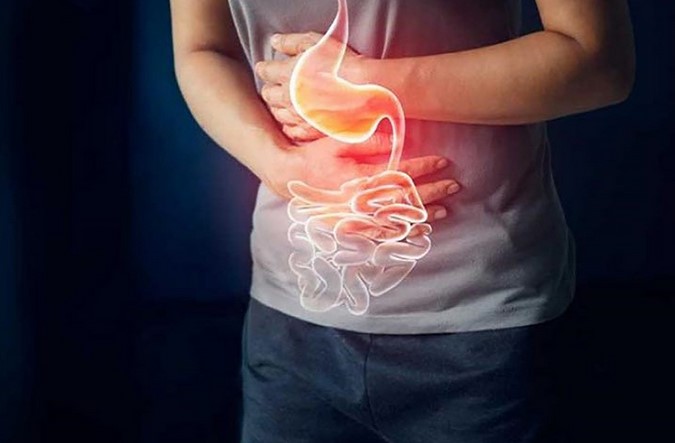
It’s 2:00 PM, and instead of tackling your afternoon meetings, you’re huddled in a bathroom stall, wondering if that “healthy” salad you had for lunch was actually a mistake. Your stomach feels like it’s inflating like a hot air balloon, and a sharp, burning sensation is creeping up your chest. If this sounds familiar, you aren’t alone. Statistics show that nearly 40% of adults worldwide suffer from functional digestive disorders, turning the simple act of eating into a high-stakes game of Russian roulette.
In my twelve years as a health writer and practitioner, I’ve seen that the gut is more than just a tube for food; it is the “second brain” of the body. I’ve sat with patients who have tried every restrictive diet on the planet, only to find that the secret to gut health wasn’t just about what they ate, but how their entire biological system was communicating.
Managing gut issues isn’t just about popping antacids; it’s about becoming a detective in your own internal ecosystem. Let’s pull back the curtain on why your gut is acting out and how you can finally reclaim your comfort.
The Plumbing Problem: Understanding Your Gut’s Design
To understand digestive disorders, we first have to understand the “plumbing.” Your gastrointestinal (GI) tract is a 30-foot-long muscular tube designed to break down food, absorb nutrients, and expel waste.
When everything is working, it’s a symphony of movement. But when a “cog” in the machine breaks, we see the symptoms we all dread: bloating, acidity, and irregular bowel habits.
Analogy Time: Think of your digestive system like a conveyor belt in a busy factory. If the workers at the start (the stomach) are too slow, everything piles up. If the workers at the end (the colon) go on strike, the whole factory shuts down. Digestive disorders occur when the “speed” or “efficiency” of this belt is compromised.
Decoding Common Digestive Disorders: The Usual Suspects
Most people I work with are suffering from one of four primary conditions. Recognizing which one fits your pattern is the first step toward effective management.
1. Gastroesophageal Reflux Disease (GERD)
This is more than just occasional heartburn. GERD happens when the Lower Esophageal Sphincter (LES)—the trapdoor between your throat and stomach—becomes weak. This allows caustic gastric acid to splash upward, damaging the delicate lining of your esophagus.
2. Irritable Bowel Syndrome (IBS)
IBS is a “functional” disorder, meaning the hardware (the organs) looks fine on a scan, but the software (the nerves) is glitchy. It is often characterized by a hypersensitive gut-brain axis, where stress or certain foods trigger cramping, gas, and a mix of diarrhea or constipation.
3. Small Intestinal Bacterial Overgrowth (SIBO)
This is a condition I’ve seen explode in prevalence recently. SIBO happens when bacteria that should live in your large intestine migrate “upstream” into the small intestine. They begin fermenting your food prematurely, leading to that “pregnant-looking” bloat immediately after eating.
4. Inflammatory Bowel Disease (IBD)
Unlike IBS, IBD (which includes Crohn’s and Ulcerative Colitis) involves actual physical damage and autoimmune inflammation of the gut wall. This requires a much more intensive clinical approach.
Tactical Strategies for Gut Management
Managing digestive disorders requires a three-pronged approach: biological, nutritional, and psychological.
The Power of Fiber Calibration
We’ve all been told to “eat more fiber,” but for someone with an inflamed gut, a massive bowl of raw kale can be like rubbing sandpaper on a wound.
-
Soluble Fiber: (Oats, avocados) acts like a sponge, softening stool and soothing the gut lining.
-
Insoluble Fiber: (Seeds, skins of fruit) acts like a broom, speeding up transit time.
If you’re prone to diarrhea, you need more “sponges.” If you’re constipated, you need more “brooms.”
The “Rest and Digest” Protocol
In my experience, many people aren’t suffering from “bad food,” but from “bad timing.” If you eat while your body is in Sympathetic Overdrive (Fight or Flight), your stomach stops producing the necessary hydrochloric acid (HCL) and enzymes.
I’ve seen patients reduce their reflux symptoms by 50% simply by taking three deep, diaphragmatic breaths before their first bite. This signals the vagus nerve to “unlock” the digestive factory.
Scannable Tips for a Happier Gut
If you want to move the needle on your digestive disorders, start with these high-impact changes:
-
Chew Until Liquid: Your stomach doesn’t have teeth. Large chunks of food reaching the small intestine are a primary cause of fermentation and gas.
-
Watch Your “Transit Time”: Ideally, what you eat should leave your body within 12 to 24 hours. Longer than that, and you are re-absorbing toxins; shorter, and you aren’t absorbing nutrients.
-
Hydration Balance: Drink water between meals, not during them. Too much liquid with food can dilute your stomach acid, making protein digestion much harder.
-
The “Low FODMAP” Check: For those with severe bloating, temporarily reducing fermentable carbohydrates (FODMAPs) can give the gut a much-needed “reset.”
Expert Advice: Insights from the Field
Over a decade of practice, I’ve discovered a few “hidden” truths that you won’t always find on a standard medical pamphlet.
Tips Pro: The “Bitter” Secret
Our modern diets are devoid of bitter flavors. However, bitter tastes on the tongue trigger the release of gastrin, which jumpstarts the entire digestive process. Try eating a small arugula salad or taking digestive bitters 15 minutes before a heavy meal to “prime the pump.”
Peringatan Tersembunyi: The Downside of Long-Term PPIs
Proton Pump Inhibitors (PPIs) are great for short-term reflux relief, but using them for years can be dangerous. They suppress stomach acid so much that you can’t absorb B12, Magnesium, or Calcium, and you lose your first line of defense against foodborne pathogens. Always work with a professional to find the root cause of your acidity rather than just silencing the symptom.
The Microbiome Frontier: Feeding Your Inner Garden
Your gut is home to trillions of microbes—the gut microbiome. We now know that these bacteria influence everything from your mood (via serotonin production) to your immune system.
When you have digestive disorders, your “inner garden” is often overgrown with weeds (bad bacteria) and lacking in flowers (good bacteria). While probiotics can help, the best way to fix the garden is through prebiotics—the specific fibers that feed the good guys. Think of probiotics as “seeds” and prebiotics as “fertilizer.” You need both to flourish.
Conclusion: Take Back Your Life
Living with digestive disorders can feel isolating and exhausting. But your gut is incredibly resilient. By shifting from a mindset of “fighting” your symptoms to “supporting” your biology, you can find a rhythm that works for you.
Start small: focus on your breathing, chew your food thoroughly, and pay attention to the data your body is giving you every day. You don’t have to live in fear of your next meal.
Do you feel like your gut has a “personality” of its own? What’s the one food that always seems to trigger your symptoms? Share your story in the comments below—let’s troubleshoot our gut health together!