
Psoriatic Arthritis Management: Effective Treatments for Pain and Inflammation

Source:https://img.lb.wbmdstatic.com

You wake up, but your body refuses to move with you. Your fingers are so swollen and stiff they look like small sausages, and your knees throb with a dull, hot ache before your feet even touch the floor. To make matters worse, a glance in the mirror reveals flaky, red patches of psoriasis scaling across your elbows.

This dual burden—where your skin and your joints are simultaneously at war with your own body—is the daily reality for up to 30% of people living with psoriasis.

Over my ten years as a health writer working alongside rheumatologists and immunologists, I have interviewed countless individuals fighting this exact battle. A profound insight I’ve gained from sitting in on patient clinics is that this condition is frequently misunderstood. Patients often bounce from dermatologists to general practitioners, treating their skin and joints as separate issues, while the underlying fire raging inside their immune system goes ignored.

Effective psoriatic arthritis management requires looking at the whole picture. It is about stopping the systemic fire, protecting your joints from irreversible damage, and reclaiming your quality of life.

The Friendly Fire: What is Psoriatic Arthritis?

To manage this condition, we have to understand why it happens. Psoriatic Arthritis (PsA) is a chronic, autoimmune disease. This means your immune system, which is supposed to protect you from viruses and bacteria, gets confused and begins attacking your own healthy tissues.

The Overzealous Security Guard Analogy

Think of your immune system as a highly trained, elite security team guarding a building (your body).

In psoriatic arthritis, the security guards mistake your own joints and skin cells for hostile invaders.

Instead of quietly patrolling, they open fire with inflammatory chemicals called cytokines. When they attack the skin, it causes rapid cell turnover, leading to scaly plaques. When they attack the joints, specifically the synvovium (the lining of the joints) and the entheses (the points where tendons and ligaments attach to bone), it causes severe swelling, stiffness, and pain.

Medical Milestones: Advanced Treatments for Pain and Inflammation

Decades ago, a diagnosis of PsA meant facing inevitable joint deformity. Today, modern medicine has completely shifted the paradigm. When designing a clinical psoriatic arthritis management plan, specialists use a tiered medical approach to halt disease progression.

1. Traditional DMARDs (Disease-Modifying Antirheumatic Drugs)

Traditional DMARDs are the foundational workhorses of rheumatology. Unlike simple painkillers, these medications work by broadly dampening the overactive immune system to slow down the entire disease process.

  • Common Examples: Methotrexate, Sulfasalazine, and Leflunomide.

  • The Goal: To reduce systemic inflammation, protect joint integrity, and alleviate daily stiffness.

2. The Biologic Revolution (Targeted Therapies)

If traditional drugs are like a broad blanket that calms the whole immune system, biologics are precision-guided missiles. These genetically engineered proteins target the exact inflammatory cytokines causing the damage.

  • TNF Inhibitors: Drugs like Adalimumab and Etanercept block Tumor Necrosis Factor, a major inflammatory signal.

  • IL-17 and IL-23 Inhibitors: Newer targeted therapies (like Secukinumab) block specific interleukins, providing dramatic relief for both severe skin plaques and deep joint pain.

3. JAK Inhibitors (Small Molecule Medications)

The newest players in the field are Janus kinase (JAK) inhibitors. These oral medications work inside the immune cells to disrupt the signaling pathways that generate inflammation, offering a powerful alternative for those who dislike injections.

Holistic Strategies: Managing Flares at Home

While medical prescriptions are non-negotiable for preventing structural joint damage, what you do daily in your kitchen and your living room heavily influences your baseline comfort.

  • Adopt an Anti-Inflammatory Diet: Fueling your body with processed sugars and trans fats is like throwing gasoline on an immune fire. Prioritize omega-3 fatty acids (found in salmon and walnuts) and colorful antioxidants to help neutralize oxidative stress.

  • Incorporate Low-Impact Movement: When joints ache, the instinct is to rest. However, physical inactivity actually worsens stiffness. Gentle movement like swimming, cycling, or yoga lubricates the joints and strengthens supporting muscles without adding impact stress.

  • Prioritize Stress Mitigation: Emotional stress is a notorious trigger for a PsA flare. High cortisol levels alter immune function and heighten your brain’s perception of pain. Implement daily breathing exercises or meditation to calm your nervous system.

Medical Interventions (DMARDs/Biologics) + Lifestyle Alchemy (Diet/Movement) = Optimal Remission

Expert Advice for Navigating Your Treatment

⚠️ The Danger of “Silent” Inflammation

The biggest mistake I see intermediate patients make is stopping or skipping their medication the moment their skin clears up or their joint pain subsides. In psoriatic arthritis, inflammation can be “silent.” Even if you feel fine externally, low-grade internal inflammation can quietly erode your joint cartilage and increase your long-term risk for cardiovascular issues. Never alter your medication dosage without consulting your rheumatologist first.

Take Control of Your Health Journey

Living with psoriatic arthritis is undoubtedly a marathon, not a sprint. It requires patience, a dedicated medical team, and a willingness to adjust your lifestyle. But remember: you are living in the most advanced era of rheumatology history. With a proactive approach to psoriatic arthritis management, you can successfully put out the internal fire, protect your mobility, and live a life defined by your passions, not your pain.

Are you currently exploring treatment options for your joint or skin symptoms, or have you found a specific routine that helps soothe your flares? Let’s support one another—share your experiences or drop your questions in the comments below!
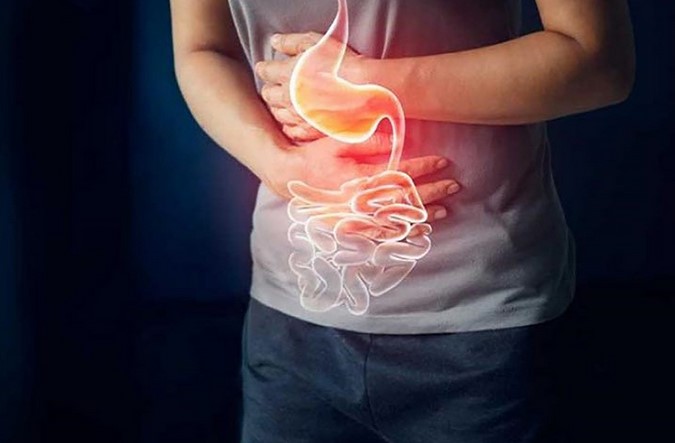

Common Digestive Disorders and How to Manage Them

Source:https://bepharco.com

It’s 2:00 PM, and instead of tackling your afternoon meetings, you’re huddled in a bathroom stall, wondering if that “healthy” salad you had for lunch was actually a mistake. Your stomach feels like it’s inflating like a hot air balloon, and a sharp, burning sensation is creeping up your chest. If this sounds familiar, you aren’t alone. Statistics show that nearly 40% of adults worldwide suffer from functional digestive disorders, turning the simple act of eating into a high-stakes game of Russian roulette.

In my twelve years as a health writer and practitioner, I’ve seen that the gut is more than just a tube for food; it is the “second brain” of the body. I’ve sat with patients who have tried every restrictive diet on the planet, only to find that the secret to gut health wasn’t just about what they ate, but how their entire biological system was communicating.

Managing gut issues isn’t just about popping antacids; it’s about becoming a detective in your own internal ecosystem. Let’s pull back the curtain on why your gut is acting out and how you can finally reclaim your comfort.

The Plumbing Problem: Understanding Your Gut’s Design

To understand digestive disorders, we first have to understand the “plumbing.” Your gastrointestinal (GI) tract is a 30-foot-long muscular tube designed to break down food, absorb nutrients, and expel waste.

When everything is working, it’s a symphony of movement. But when a “cog” in the machine breaks, we see the symptoms we all dread: bloating, acidity, and irregular bowel habits.

Analogy Time: Think of your digestive system like a conveyor belt in a busy factory. If the workers at the start (the stomach) are too slow, everything piles up. If the workers at the end (the colon) go on strike, the whole factory shuts down. Digestive disorders occur when the “speed” or “efficiency” of this belt is compromised.

Decoding Common Digestive Disorders: The Usual Suspects

Most people I work with are suffering from one of four primary conditions. Recognizing which one fits your pattern is the first step toward effective management.

1. Gastroesophageal Reflux Disease (GERD)

This is more than just occasional heartburn. GERD happens when the Lower Esophageal Sphincter (LES)—the trapdoor between your throat and stomach—becomes weak. This allows caustic gastric acid to splash upward, damaging the delicate lining of your esophagus.

2. Irritable Bowel Syndrome (IBS)

IBS is a “functional” disorder, meaning the hardware (the organs) looks fine on a scan, but the software (the nerves) is glitchy. It is often characterized by a hypersensitive gut-brain axis, where stress or certain foods trigger cramping, gas, and a mix of diarrhea or constipation.

3. Small Intestinal Bacterial Overgrowth (SIBO)

This is a condition I’ve seen explode in prevalence recently. SIBO happens when bacteria that should live in your large intestine migrate “upstream” into the small intestine. They begin fermenting your food prematurely, leading to that “pregnant-looking” bloat immediately after eating.

4. Inflammatory Bowel Disease (IBD)

Unlike IBS, IBD (which includes Crohn’s and Ulcerative Colitis) involves actual physical damage and autoimmune inflammation of the gut wall. This requires a much more intensive clinical approach.

Tactical Strategies for Gut Management

Managing digestive disorders requires a three-pronged approach: biological, nutritional, and psychological.

The Power of Fiber Calibration

We’ve all been told to “eat more fiber,” but for someone with an inflamed gut, a massive bowl of raw kale can be like rubbing sandpaper on a wound.

  • Soluble Fiber: (Oats, avocados) acts like a sponge, softening stool and soothing the gut lining.

  • Insoluble Fiber: (Seeds, skins of fruit) acts like a broom, speeding up transit time.

    If you’re prone to diarrhea, you need more “sponges.” If you’re constipated, you need more “brooms.”

The “Rest and Digest” Protocol

In my experience, many people aren’t suffering from “bad food,” but from “bad timing.” If you eat while your body is in Sympathetic Overdrive (Fight or Flight), your stomach stops producing the necessary hydrochloric acid (HCL) and enzymes.

I’ve seen patients reduce their reflux symptoms by 50% simply by taking three deep, diaphragmatic breaths before their first bite. This signals the vagus nerve to “unlock” the digestive factory.

Scannable Tips for a Happier Gut

If you want to move the needle on your digestive disorders, start with these high-impact changes:

  • Chew Until Liquid: Your stomach doesn’t have teeth. Large chunks of food reaching the small intestine are a primary cause of fermentation and gas.

  • Watch Your “Transit Time”: Ideally, what you eat should leave your body within 12 to 24 hours. Longer than that, and you are re-absorbing toxins; shorter, and you aren’t absorbing nutrients.

  • Hydration Balance: Drink water between meals, not during them. Too much liquid with food can dilute your stomach acid, making protein digestion much harder.

  • The “Low FODMAP” Check: For those with severe bloating, temporarily reducing fermentable carbohydrates (FODMAPs) can give the gut a much-needed “reset.”

Expert Advice: Insights from the Field

Over a decade of practice, I’ve discovered a few “hidden” truths that you won’t always find on a standard medical pamphlet.

Tips Pro: The “Bitter” Secret

Our modern diets are devoid of bitter flavors. However, bitter tastes on the tongue trigger the release of gastrin, which jumpstarts the entire digestive process. Try eating a small arugula salad or taking digestive bitters 15 minutes before a heavy meal to “prime the pump.”

Peringatan Tersembunyi: The Downside of Long-Term PPIs

Proton Pump Inhibitors (PPIs) are great for short-term reflux relief, but using them for years can be dangerous. They suppress stomach acid so much that you can’t absorb B12, Magnesium, or Calcium, and you lose your first line of defense against foodborne pathogens. Always work with a professional to find the root cause of your acidity rather than just silencing the symptom.

The Microbiome Frontier: Feeding Your Inner Garden

Your gut is home to trillions of microbes—the gut microbiome. We now know that these bacteria influence everything from your mood (via serotonin production) to your immune system.

When you have digestive disorders, your “inner garden” is often overgrown with weeds (bad bacteria) and lacking in flowers (good bacteria). While probiotics can help, the best way to fix the garden is through prebiotics—the specific fibers that feed the good guys. Think of probiotics as “seeds” and prebiotics as “fertilizer.” You need both to flourish.

Conclusion: Take Back Your Life

Living with digestive disorders can feel isolating and exhausting. But your gut is incredibly resilient. By shifting from a mindset of “fighting” your symptoms to “supporting” your biology, you can find a rhythm that works for you.

Start small: focus on your breathing, chew your food thoroughly, and pay attention to the data your body is giving you every day. You don’t have to live in fear of your next meal.

Do you feel like your gut has a “personality” of its own? What’s the one food that always seems to trigger your symptoms? Share your story in the comments below—let’s troubleshoot our gut health together!

Natural Ways to Manage Hypertension and Improve Heart Health

Source:https://www.bhf.org.uk

Hypertension, or high blood pressure, affects millions of people worldwide and is a leading risk factor for cardiovascular diseases such as heart attack, stroke, and kidney disease. Managing hypertension effectively is crucial for long-term health, and while medication can be an essential part of treatment, many people are turning to managing hypertension naturally through lifestyle changes, diet, and stress-reduction techniques. These natural approaches can complement traditional treatments and help improve heart health, reduce blood pressure, and minimize the risk of heart-related complications. In this article, we will explore several natural strategies to help you manage hypertension and promote heart health.

Understanding Hypertension and Its Impact on Health

Hypertension occurs when the force of blood against the walls of your arteries is consistently too high. Over time, this extra pressure can damage blood vessels, making the heart work harder and increasing the risk of severe health problems. Blood pressure is measured in millimeters of mercury (mmHg), with normal levels being around 120/80 mmHg. A reading of 130/80 mmHg or higher is generally considered high blood pressure.

There are two types of hypertension: primary and secondary. Primary hypertension develops over time and is often influenced by lifestyle factors like poor diet, lack of exercise, and high levels of stress. Secondary hypertension, on the other hand, is caused by an underlying condition such as kidney disease or hormonal disorders. Regardless of the cause, high blood pressure requires attention to reduce the risk of serious complications.

While medication prescribed by a doctor is often necessary to control blood pressure, managing hypertension naturally through dietary changes, physical activity, and stress management techniques can enhance the effectiveness of treatment and promote better overall heart health.

Natural Ways to Manage Hypertension

Managing hypertension naturally involves adopting healthy habits that support the cardiovascular system and promote proper blood circulation. Below are some effective natural methods for reducing high blood pressure and improving heart health:

1. Adopt a Heart-Healthy Diet

Diet plays a critical role in managing hypertension and improving heart health. Certain foods can help reduce blood pressure by providing essential nutrients, improving blood vessel function, and lowering cholesterol. Here are some dietary strategies for managing hypertension naturally:

  • Increase Potassium-Rich Foods: Potassium helps balance the effects of sodium in the body, which is crucial for managing blood pressure. Foods high in potassium include bananas, spinach, sweet potatoes, avocados, and oranges.
  • Reduce Sodium Intake: Excess sodium contributes to high blood pressure by causing the body to retain water, increasing the pressure on blood vessels. To reduce sodium intake, limit processed foods, canned soups, and fast food, all of which are high in salt. Aim to consume no more than 2,300 milligrams of sodium per day (ideally around 1,500 mg for optimal heart health).
  • Adopt the DASH Diet: The Dietary Approaches to Stop Hypertension (DASH) diet focuses on fruits, vegetables, whole grains, lean proteins, and low-fat dairy. It encourages reducing the intake of sodium, added sugars, and unhealthy fats. Studies show that the DASH diet can lower blood pressure by up to 11 mmHg in people with hypertension.
  • Omega-3 Fatty Acids: Omega-3s, found in fatty fish like salmon, sardines, and mackerel, have anti-inflammatory properties and can help lower blood pressure. They are also beneficial for reducing the risk of arrhythmias and improving overall heart health.

2. Incorporate Regular Physical Activity

Exercise is one of the most effective natural methods for managing hypertension naturally. Regular physical activity can lower blood pressure, improve circulation, and enhance heart function. Some of the best types of exercise for lowering blood pressure include:

  • Aerobic Exercise: Activities like walking, jogging, swimming, and cycling can significantly lower blood pressure by improving cardiovascular fitness. Aim for at least 150 minutes of moderate aerobic exercise or 75 minutes of vigorous exercise per week.
  • Strength Training: Building muscle through resistance exercises can help improve heart health and lower blood pressure over time. Try incorporating strength training exercises two to three times a week using bodyweight exercises (push-ups, squats) or weights.
  • Yoga and Tai Chi: Both yoga and Tai Chi are effective for stress reduction, which can help lower blood pressure. These mind-body practices involve deep breathing and gentle movement, which can reduce muscle tension, promote relaxation, and lower the body’s stress response.

Exercise helps improve the efficiency of the heart, regulate blood flow, and support the body’s ability to process and eliminate excess sodium. For best results, aim to combine aerobic and strength-training exercises to optimize cardiovascular health.

3. Manage Stress and Get Enough Sleep

Chronic stress and poor sleep quality are closely linked to hypertension and poor heart health. Prolonged stress leads to the release of hormones like cortisol, which can constrict blood vessels and raise blood pressure. Likewise, insufficient sleep can interfere with the body’s ability to regulate blood pressure and increase the risk of hypertension.

To manage stress and improve sleep, consider the following techniques:

  • Practice Mindfulness and Meditation: Regular mindfulness practices, such as meditation or deep-breathing exercises, can reduce stress and improve relaxation. Studies have shown that meditation can help lower blood pressure by improving blood vessel function and reducing the body’s stress response.
  • Get 7-9 Hours of Sleep: Aim for adequate, restful sleep each night to support healthy blood pressure regulation. Poor sleep can elevate blood pressure, while good quality sleep helps regulate the autonomic nervous system and reduces the effects of stress.
  • Take Time for Relaxation: Engage in activities that help you unwind and relax, such as reading, listening to music, or spending time in nature. Taking regular breaks from work or other stressful situations can have a significant impact on your overall well-being and heart health.

By reducing stress and improving sleep, you can enhance your body’s ability to maintain a healthy blood pressure level and promote long-term cardiovascular health.

Additional Lifestyle Changes to Improve Heart Health

In addition to diet, exercise, and stress management, there are other lifestyle changes you can make to further improve heart health and reduce the risk of hypertension:

  • Quit Smoking: Smoking raises blood pressure and increases the risk of heart disease. Quitting smoking is one of the most important steps you can take to improve your heart health.
  • Limit Alcohol Intake: Excessive alcohol consumption can raise blood pressure. Aim to limit alcohol to moderate levels—one drink per day for women and up to two drinks per day for men.
  • Maintain a Healthy Weight: Carrying excess weight increases the strain on your heart and can contribute to high blood pressure. Achieving and maintaining a healthy weight through a combination of diet and exercise can help manage hypertension naturally and improve overall heart health.

In conclusion, managing hypertension naturally through lifestyle changes such as adopting a heart-healthy diet, engaging in regular physical activity, and practicing stress management techniques can significantly improve blood pressure and support long-term cardiovascular health. By making these natural changes, you can not only lower your blood pressure but also enhance your overall quality of life. While medication may still be necessary for some individuals, incorporating these natural strategies into your routine can complement traditional treatments and promote a healthier, longer life. Always consult with a healthcare provider before making significant changes to your lifestyle, especially if you are already managing hypertension or other medical conditions.