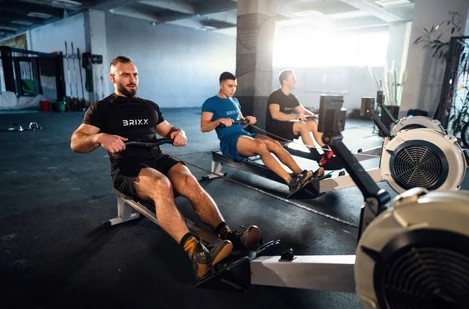
You step into the gym, past the usual wall of humming treadmills, and notice the rower tucked into the corner—pulling double-duty as a coat rack for someone’s gym bag. Over my ten years writing about fitness and working alongside strength coaches, I have watched this exact scenario play out thousands of times. People flock to the treadmill to log their miles, completely unaware that the most effective engine for cardiovascular endurance and total-body conditioning is sitting right there, completely ignored.
If your standard cardio routine feels monotonous, or if your knees are protesting the endless pavement pounding, it is time to pivot. Rowing for cardio isn’t just an alternative to running; it is an upgrade.
Why Rowing for Cardio Outperforms Standard Gym Machines
Most classic cardio machines isolate your lower body while your upper body sits idle. Rowing flips this dynamic entirely.
The True 86% Muscle Engagement
A common misconception is that rowing is primarily an upper-body exercise. In reality, a proper rowing stroke uses 86% of your body’s muscle mass across nine major muscle groups.
Think of the rowing motion like an explosive Olympic deadlift combined with a horizontal pull. Every single stroke demands power from your legs, stability through your core, and drive from your upper back and arms.
Lower Body: Quadriceps, hamstrings, and glutes generate the primary driving force.
Core: Rectus abdominis, obliques, and lower back muscles transfer energy between lower and upper body.
Upper Body: Latissimus dorsi, rhomboids, rear deltoids, and biceps complete the pull.
Because you are recruiting significantly more muscle tissue than you would on a stationary bike, your heart works harder to pump oxygenated blood throughout your entire system. The result? A massive cardiovascular stimulus without needing to spend two hours on a machine.
Cardio Exercise
Major Muscle Groups Used
Impact Level on Joints
Core Activation
Rowing
86% (Full Body)
Very Low
High
Running
~45% (Lower Body Focused)
High
Moderate
Cycling
~35% (Lower Body Focused)
Low
Low-Moderate
High Intensity, Zero Impact
Running delivers a fantastic cardiovascular workout, but it comes with a tax on your joints—every foot strike sends force up to three times your body weight through your ankles, knees, and hips.
Rowing offers a rare dynamic: high-intensity exertion with low mechanical impact. Because your feet remain anchored in the footplates and your movement is smooth and continuous, you can push your heart rate into target zones without tearing up your connective tissues.
Anatomy of the Perfect Rowing Stroke
If you watch a room full of beginners on rowing machines, you will likely see a chaotic mix of rounded backs, flying elbows, and frantic pulling. To maximize your endurance and prevent lower back fatigue, you must master the mechanics.
Think of the stroke sequence like a spring: you load up smoothly, unleash power explosively, and return control slowly.
This is your starting position. Slide forward until your shins are roughly vertical. Keep your arms extended straight in front of you, shoulders relaxed and down, and your torso leaning slightly forward at a 1-o’clock position from your hips.
2. The Drive
This is where the magic happens. The drive must follow a strict, non-negotiable kinetic chain: Legs, Core, Arms.
Push hard with your legs while keeping your core braced and arms straight.
Once your legs reach near full extension, hinge your torso backward to an 11-o’clock position.
Finish by pulling the handle smooth to your lower ribs.
Pro Tip: Never pull with your arms first. Your legs house your powerful glutes and quads; let them do 60% of the heavy lifting before your upper body steps in.
3. The Finish
At the end of the stroke, your legs are extended, your core is engaged leaning slightly back, and the handle rests gently against your sternum. Your wrists should remain flat, not bent upward.
4. The Recovery
The recovery is simply the drive running in complete reverse: Arms, Core, Legs.
Extend your arms forward until they are straight.
Hinge your torso forward from the hips back to the 1-o’clock position.
Bend your knees and slide forward to return to the catch.
Key Metrics: Understanding Split Time and Drag Factor
To get the most out of rowing for cardio, you need to understand the data displaying on your ergometer (PM5) monitor.
500m Split Time: This is your speed benchmark. It indicates how many minutes and seconds it would take you to complete 500 meters at your current pace. Lower numbers mean more power output.
Strokes Per Minute (SPM / S/M): This measures stroke rate, not intensity. Beginners often assume higher stroke rates equal a better workout. In reality, powerful rowing relies on high force at a lower stroke rate (20–24 SPM).
Drag Factor vs. Damper Setting: The lever on the side of the flywheel (usually marked 1 to 10) controls airflow, not weight. Setting it to 10 does not make you stronger; it simulates a heavy, sluggish boat and strains your lower back. Set your damper between 3 and 5 (which yields a standard drag factor of roughly 110–130) for optimal cardiovascular efficiency.
Beginner to Intermediate Rowing Workouts
Integrating rowing into your routine depends on your specific goals. Here are two field-tested formats I frequently recommend.
Workout 1: The Steady-State Endurance Builder (Beginner)
Target: Aerobic Base & Stroke Consistency
Warm-up: 5 minutes of easy rowing at an easy pace (SPM 18-20).
Main Set: 20 minutes of continuous rowing at a moderate, conversational pace. Focus entirely on maintaining a stable 500m split time and keeping your stroke rate fixed between 20 and 22 SPM.
Cool-down: 3 minutes of light paddling and full-body stretching.
Workout 2: The Aerobic Power Intervals (Intermediate)
Target: Cardiovascular Capacity & Fat Loss
Warm-up: 5 minutes gradually increasing intensity every minute.
Interval Work: Complete 5 rounds of:
500 meters at a hard, challenging pace (SPM 26-28).
2 minutes of very light active recovery paddling.
Cool-down: 5 minutes of slow rowing focused on steady breathing.
Common Rowing Mistakes to Avoid
Even seasoned athletes make crucial errors when transitioning to the rowing machine. Keep an eye out for these form killers:
The “Rainbow” Handle Arc: Bending your knees before your arms are fully extended forces you to lift the handle up and over your knees on the recovery. Remember: Arms out first, then bend the knees.
Shooting the Hips: Pushing your legs back without moving your upper body causes your hips to fly out first, transferring all the load directly into your lower back. Keep your core locked so your torso and hips move together.
Gripping Too Tightly: Death-gripping the handle quickly fatigues your forearms and causes upper neck tension. Hook your fingers loosely over the handle and keep your thumbs underneath.
Taking Action: Your Next Workout
Rowing for cardio offers an unbeatable combination of aerobic challenge, muscle recruitment, and joint longevity. It demands presence of mind, precise technique, and genuine physical exertion—which is precisely why it works so effectively.
The next time you walk into the gym, ignore the crowded treadmill line. Head straight for the rower, set your damper to 4, lock in your technique, and build a cardiovascular foundation that lasts.
Have you tried incorporating rowing into your cardio routine yet? What is your biggest challenge with stroke technique or pacing? Drop a comment below and let’s discuss!

You’re standing at the edge of the pool, the scent of chlorine hitting you like a wave of nostalgia. You look at the lane next to you where a 70-year-old is gliding through the water with the grace of a dolphin, while you, perhaps half their age, are nursing a nagging knee injury or feeling the weight of a stressful work week. You dive in. The world goes silent. Suddenly, that gravity-bound aches and pains vanish, replaced by a rhythmic, full-body resistance that no treadmill can replicate.
In my twelve years as a health writer and fitness advocate, I’ve seen countless exercise trends come and go—from high-intensity interval training that leaves people burnt out to fad diets that ignore biology. But whenever someone asks me for the “holy grail” of longevity and physical conditioning, I always point them back to the water. Swimming for fitness isn’t just a hobby for the summer; it is a sophisticated, low-impact powerhouse that reshapes your body from the inside out.
The Zero-Gravity Advantage: Protecting Your Joints
The most profound “insight” I’ve gained from working with athletes and physical therapists is that our biggest enemy as we age is impact. Running on pavement is like taking a hammer to your ankles and lower back with every stride.
When you submerge yourself in water, you are effectively “weightless.” Water provides up to 90% buoyancy, meaning your joints only carry a fraction of your body weight. For someone recovering from surgery or dealing with chronic inflammation, this is a sanctuary.
Analogy Time: Think of water as a 360-degree resistance band. On land, you only fight gravity in one direction (down). In the pool, every move you make—pushing, pulling, even staying still—is met with resistance that is 12 to 14 times thicker than air. You’re building muscle while being cradled by a liquid cushion.
The “Internal Gym”: Cardiovascular and Respiratory Mastery
Many beginners assume swimming for fitness is just about toning the arms and legs. While the muscular definition is a nice perk, the real magic happens in your heart and lungs.
1. Aerobic vs. Anaerobic Benefits
Swimming is unique because it constantly shifts between aerobic (endurance) and anaerobic (sprint) states. Because you have to time your breathing, you are essentially performing Hypoxic Training. This teaches your body to use oxygen more efficiently, lowering your resting heart rate and increasing your VO2 Max.
2. The Hydrostatic Pressure Effect
When you are in the water, the pressure against your skin—known as hydrostatic pressure—actually helps your blood return to your heart more efficiently. It’s like wearing a full-body compression suit that reduces swelling and improves circulation while you move.
Why Swimming Outperforms Other Workouts
If we look at the data, the caloric burn of swimming is staggering. A vigorous hour of laps can burn between 500 and 700 calories, often surpassing running or cycling without the risk of stress fractures.
Total Body Engagement: Unlike a bicep curl or a leg press, a single stroke of Freestyle (Front Crawl) engages your lats, deltoids, core, glutes, and hip flexors simultaneously.
Active Recovery: Because it doesn’t cause eccentric muscle damage (the kind that makes you “sore” the next day), swimming is the perfect tool for active recovery.
Metabolic Afterburn: The effort required to keep your body temperature stable in cool water can actually give your metabolism a slight extra “kick.”
Mastering the Strokes: Which One Should You Choose?
As you progress in swimming for fitness, variety becomes your best friend. In my experience, the most balanced athletes rotate through at least three different strokes to ensure no muscle group is overworked.
The Freestyle (Front Crawl)
The fastest and most calorie-dense stroke. It focuses heavily on the latissimus dorsi and core rotation. If your goal is cardiovascular health, this is your bread and butter.
The Breaststroke
A fantastic “recovery” stroke that emphasizes the inner thighs and chest. It’s less taxing on the lungs, making it great for building endurance in your early weeks.
The Backstroke
My personal favorite for anyone with a desk job. It forces the chest to open up and engages the posterior chain (the muscles in your back and shoulders), countering the “hunch” we develop from staring at phones and laptops.
Expert Advice: Navigating the “Pool Wall”
I’ve seen many beginners quit after two weeks because they feel “exhausted” after just two laps. This isn’t because they are out of shape; it’s usually because of poor technique or “breath panic.”
Tips Pro: The “Exhale” Secret
Most beginners hold their breath while their face is in the water, which leads to a buildup of CO2 in the lungs. This creates that “gasping” feeling. The secret? Slowly exhale through your nose the entire time your face is submerged. By the time you turn to take a breath, your lungs should be empty and ready for a fresh hit of oxygen.
Peringatan Tersembunyi: The Dehydration Trap
Here is a “hidden warning” that catches even intermediate swimmers off guard: You are sweating in the pool. Because the water cools you down, you don’t feel the sweat, but you are losing fluids rapidly. Always keep a water bottle at the end of your lane. Dehydration in the pool leads to muscle cramps and that “heavy” feeling in your limbs.
Equipment: What Do You Actually Need?
You don’t need a high-tech tech-suit to see results. For swimming for fitness, I recommend a “Minimalist High-Quality” approach:
Goggles: Invest in a pair with a good seal to avoid “raccoon eyes” and chlorine irritation.
Kickboard: Great for isolating the legs and building a powerful kick.
Pull Buoy: A foam float you put between your legs. It keeps your lower body afloat, allowing you to focus entirely on your arm technique and upper body strength.
The Mental Health Dividend: The “Blue Mind” Effect
As a health writer, I would be remiss if I didn’t mention the psychological impact. There is a concept called the “Blue Mind”—the mildly meditative state we enter when near, in, or under water.
In the pool, there are no notifications, no podcasts, and no distractions. It is one of the last places on earth where you can be truly “unplugged.” The repetitive nature of the strokes acts as a form of moving meditation, significantly lowering cortisol levels and clearing mental fog.
Conclusion: Dive Into Your New Routine
Swimming for fitness is perhaps the most sustainable gift you can give your body. Whether you are looking to shed weight, recover from an injury, or simply find a sanctuary from the chaos of modern life, the water is waiting for you.
Don’t worry about being the fastest in the lane. Focus on the glide, the rhythm of your breath, and the feeling of the water against your skin. Your future self—the one with stronger lungs, a healthier heart, and pain-free joints—will thank you for taking the plunge.
Are you a “morning lap” person or an “evening glider”? Or maybe you’re still nervous about your first day back in the pool? Let’s talk about your swimming goals in the comments below!
In an era where sedentary lifestyles and digital fatigue are increasingly common, people are searching for meaningful ways to improve both physical health and mental balance. Outdoor activities have gained renewed attention for their ability to reconnect individuals with nature while promoting sustainable fitness habits. Hiking Groups offer a unique solution by combining physical exercise, social interaction, and exposure to natural environments. Through shared experiences on trails and in scenic landscapes, participants can enhance their overall well-being while building consistency and motivation in their fitness routines.
Physical Fitness Benefits of Group Hiking
Hiking is a full-body activity that engages multiple muscle groups and supports cardiovascular health. When practiced regularly, it contributes to improved endurance, strength, balance, and flexibility. Joining a structured hiking group amplifies these benefits by encouraging consistency and gradual progression.
Walking on varied terrain challenges stabilizing muscles that are often underused in gym-based workouts. Uphill climbs strengthen the lower body, including the glutes, quadriceps, and calves, while downhill sections improve balance and coordination. Carrying a backpack adds resistance, further enhancing muscular engagement and calorie expenditure. Over time, these physical demands lead to improved stamina and functional fitness.
Group hiking also supports cardiovascular health by maintaining moderate to vigorous activity levels over extended periods. Unlike repetitive indoor workouts, hiking naturally varies in intensity, allowing participants to build aerobic capacity without monotony. Regular participation can help regulate blood pressure, improve circulation, and support weight management.
Another key advantage is injury prevention. Organized groups often include experienced leaders who select appropriate trails, set realistic pacing, and emphasize proper warm-up and recovery practices. This guidance helps participants exercise safely and progressively, reducing the risk of overexertion or strain. For beginners, this structured environment provides confidence and reassurance, making it easier to stay active long term.
Mental and Emotional Well-Being Through Shared Outdoor Experiences
Physical health is only one dimension of the benefits gained from hiking in a group setting. The mental and emotional impact of combining nature exposure with social connection is equally significant.
The Power of Nature and Social Connection
Spending time in natural environments has been shown to reduce stress, improve mood, and enhance cognitive function. Natural landscapes provide a calming sensory experience that helps regulate the nervous system, lower cortisol levels, and promote mental clarity. When these benefits are experienced collectively, they are often amplified through shared appreciation and conversation.
Social interaction within a hiking group fosters a sense of belonging and accountability. Participants are more likely to stay committed to regular activity when they feel connected to others who share similar goals. Conversations during hikes often occur naturally and without pressure, creating opportunities for meaningful connection that differ from traditional social settings. This relaxed interaction can reduce feelings of isolation and support emotional resilience.
Group hiking also promotes mindfulness. Being present in nature, paying attention to surroundings, and moving at a steady pace encourage participants to disconnect from daily stressors. The shared rhythm of walking and observing natural scenery creates a grounding experience that supports emotional balance and mental refreshment.
Additionally, achieving hiking milestones together—such as completing a challenging trail or reaching a scenic viewpoint—builds confidence and a sense of accomplishment. These shared successes reinforce positive self-perception and motivation, contributing to improved overall well-being.
Long-Term Lifestyle and Personal Growth Advantages
Beyond immediate physical and mental benefits, joining a hiking group can influence long-term lifestyle habits and personal development. It encourages a more active, intentional approach to health that extends beyond the trail.
Regular participation in group hikes often leads to improved routine and time management. Scheduled outings create structure and provide a reason to prioritize physical activity, even during busy weeks. Over time, this consistency can inspire other healthy behaviors, such as improved nutrition, better sleep habits, and increased interest in outdoor recreation.
Hiking groups also foster learning and personal growth. Participants gain knowledge about trail safety, navigation, environmental stewardship, and local ecosystems. This educational aspect deepens appreciation for nature and encourages responsible outdoor practices. Exposure to diverse perspectives within the group can broaden social awareness and strengthen interpersonal skills.
From a psychological standpoint, setting and achieving hiking goals supports resilience and adaptability. Navigating changing weather, terrain, and physical challenges mirrors real-life problem-solving and builds confidence in one’s ability to overcome obstacles. These experiences translate into greater self-efficacy in other areas of life, including work and personal relationships.
Finally, group hiking supports sustainable wellness. Unlike short-term fitness trends, hiking is accessible, adaptable, and suitable for a wide range of ages and fitness levels. As participants progress, they can explore more challenging routes or take on leadership roles, maintaining engagement and purpose over time.
Improving fitness and well-being does not require isolated effort or rigid routines. Activities that integrate movement, nature, and social connection offer a more balanced and sustainable approach to health. By encouraging physical activity, emotional support, and long-term lifestyle change, Hiking Groups provide a powerful framework for enhancing overall quality of life. Through shared journeys on the trail, individuals can strengthen their bodies, refresh their minds, and cultivate meaningful connections that support lasting well-being.
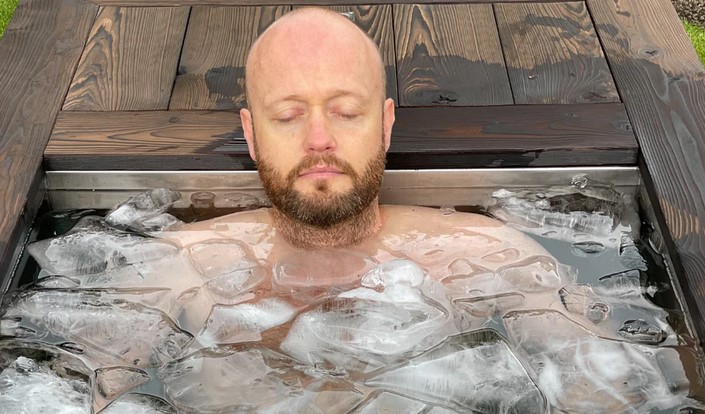
Ice baths for recovery have gained widespread attention among athletes, fitness enthusiasts, and physical therapists as a powerful tool for enhancing muscle repair. This form of cold therapy involves immersing the body in ice-cold water after intense physical activity to reduce muscle soreness, inflammation, and improve recovery time. Whether you’re an elite athlete or a weekend warrior, understanding the science behind ice baths and their effects on muscle recovery can help you make informed decisions about incorporating them into your post-workout routine. In this article, we’ll explore how ice baths work, the science behind muscle repair, and the best practices for using cold therapy effectively.
The Science Behind Ice Baths for Recovery
Ice baths, also known as cold water immersion, have been a popular recovery method for decades. They are commonly used after intense exercise, particularly after endurance events or strength training sessions that put significant strain on the muscles. The primary goal of an ice bath is to reduce muscle inflammation, speed up recovery, and relieve soreness.
How Cold Therapy Works on Muscles
When you immerse your body in ice-cold water, several physiological responses occur that contribute to muscle repair and recovery. The cold temperature causes blood vessels to constrict, which reduces blood flow to the muscles. This constriction helps to limit the swelling and inflammation that occurs after a strenuous workout. As the body begins to warm up again, the blood vessels dilate, allowing fresh oxygenated blood to rush back into the muscles. This increase in blood flow helps to remove metabolic waste products, such as lactic acid, that may have built up during exercise and promote healing.
By reducing inflammation and enhancing blood circulation, ice baths help mitigate the effects of delayed onset muscle soreness (DOMS), which typically sets in 24 to 48 hours after intense physical activity. DOMS is the result of micro-tears in muscle fibers, a natural part of the muscle-building process. Cold therapy reduces the pain and discomfort associated with these micro-tears, helping athletes return to their training routines sooner.
The Psychological Benefits of Ice Baths
In addition to the physical benefits, ice baths also offer psychological advantages. Immersing yourself in cold water can be mentally challenging, but it can also boost your mental toughness. Many athletes report feeling a sense of accomplishment and increased resilience after completing an ice bath, which can carry over into their training and performance. Furthermore, cold therapy has been shown to activate the body’s parasympathetic nervous system, which promotes relaxation and recovery.
Benefits of Ice Baths for Muscle Repair
The use of ice baths for recovery is widely supported by athletes and sports professionals for several key benefits:
Reduction of Muscle Soreness and Inflammation
The primary benefit of ice baths is their ability to reduce muscle soreness and inflammation after intense exercise. By constricting blood vessels and reducing the flow of inflammatory compounds to the muscles, cold therapy helps minimize post-workout muscle damage and accelerates recovery time. This reduction in inflammation also plays a crucial role in preventing chronic injuries associated with overuse or repeated training sessions.
Improved Circulation and Oxygen Delivery
After an ice bath, the body warms up, leading to vasodilation (the widening of blood vessels). This process increases blood flow and allows for the delivery of fresh oxygen and nutrients to the muscles. Oxygenated blood is vital for muscle repair and growth, as it helps remove waste products and provides the energy necessary for healing.
Prevention of Overtraining and Injury
Ice baths are particularly beneficial for athletes who engage in high-intensity training or long-duration activities. Over time, the body can become fatigued, and muscles may experience microtrauma from repetitive stress. Regular use of ice baths can help reduce the risk of overtraining and prevent the development of stress fractures or chronic muscle injuries.
Reduction in Swelling and Edema
Cold therapy is also effective in reducing swelling and edema, which often occur after intense exercise. Swelling can interfere with the healing process and hinder mobility. By applying ice to inflamed areas, athletes can alleviate the pressure and discomfort associated with swelling, promoting faster healing.
Best Practices for Taking Ice Baths
While ice baths can be highly effective, they must be done correctly to achieve optimal results. Here are some tips for making the most out of your cold therapy sessions:
Duration
The ideal length of an ice bath is typically between 10 to 20 minutes. Staying in the water for too long can lead to hypothermia or frostbite. If you’re new to ice baths, it’s recommended to start with shorter durations and gradually increase the time as your body becomes accustomed to the cold.
Water Temperature
The water temperature should be between 50°F to 59°F (10°C to 15°C). Any colder and the risk of frostbite and discomfort increases. If you don’t have access to ice, you can fill a tub with cold water and add ice to reach the desired temperature.
Post-Ice Bath Warm-Up
After finishing an ice bath, it’s essential to warm up your body gradually. This can be done by taking a warm shower, dressing in layers, or engaging in light activity like walking or stretching. Sudden temperature shifts can shock the body, so it’s best to ease into the warming process.
Frequency of Use
Ice baths should be used strategically and not overdone. While they are beneficial after intense workouts, using ice baths too frequently can hinder muscle adaptation and growth. It’s essential to balance cold therapy with rest and active recovery strategies like stretching, yoga, and massage.
In conclusion, ice baths for recovery are a highly effective method for reducing muscle soreness, inflammation, and improving circulation after intense physical activity. By constricting blood vessels, reducing swelling, and promoting faster healing, cold therapy helps accelerate muscle recovery and can enhance athletic performance. When used correctly, ice baths offer both physical and psychological benefits, making them a valuable tool for athletes and anyone looking to optimize their recovery process. While ice baths should be used in moderation, they can be an essential part of a well-rounded recovery routine, enabling you to train harder, recover faster, and prevent injuries.
In today’s digital age, fitness is no longer confined to gym memberships and in-person personal trainers. With the rise of technology, online personal trainers have become a popular solution for individuals seeking professional fitness guidance without the need to leave home. Whether you’re looking to lose weight, build muscle, or improve overall health, virtual coaching offers flexibility, convenience, and personalized workout plans tailored to your unique needs. This article will explore how an online personal trainer can help you achieve your fitness goals, what you can expect from virtual training, and how to choose the right coach for your fitness journey.
The Benefits of Hiring an Online Personal Trainer
Hiring an online personal trainer provides a variety of benefits that traditional in-person training may not offer. Here are some of the most notable advantages:
1. Convenience and Flexibility
One of the most significant benefits of working with an online personal trainer is the flexibility it provides. With a virtual coach, you don’t have to worry about commuting to a gym or scheduling appointments around a busy work or family life. You can train at your convenience, whether that means early in the morning, during lunch breaks, or late at night. Online personal training allows you to fit workouts into your schedule, making it easier to stay consistent.
Additionally, if you travel frequently or have a varied schedule, virtual coaching provides the flexibility to maintain your training regimen from anywhere in the world, as long as you have access to the internet.
2. Customized Fitness Plans
Online personal trainers create personalized workout programs tailored to your fitness level, goals, and any physical limitations you may have. Whether you’re a beginner looking to get started or an experienced athlete aiming to push your limits, a virtual trainer can design a plan that’s right for you. Many online trainers use apps or fitness platforms that allow you to track your progress and adjust your program as needed, ensuring that you continue to make strides toward your goals.
3. Cost-Effective Alternative
In-person personal training can be expensive, especially if you’re working with a top-tier trainer. Online personal trainers, however, tend to offer more affordable pricing models because they don’t have the overhead costs associated with running a physical gym or studio. Many online trainers offer tiered packages that allow you to choose the level of support you need, whether that’s weekly check-ins, full custom plans, or on-demand coaching. This flexibility allows you to find a pricing plan that fits within your budget while still receiving expert guidance.
4. Accountability and Motivation
One common challenge with self-guided fitness plans is staying motivated. An online personal trainer helps keep you accountable by checking in regularly, tracking your progress, and offering encouragement. Many virtual trainers use video calls, messaging apps, and social media platforms to stay connected with their clients, ensuring you have ongoing support throughout your fitness journey.
Accountability doesn’t stop at scheduled workouts. Your trainer can help you maintain healthy habits, from nutrition guidance to daily activity recommendations, reinforcing the importance of consistency and discipline in achieving long-term fitness success.
What to Expect from an Online Personal Trainer
The experience of working with an online personal trainer may differ from traditional gym training, but the fundamental aspects of training remain the same: a focus on goal-setting, progress tracking, and personalized guidance. Here’s what you can expect when working with an online personal trainer:
1. Initial Assessment and Goal Setting
The first step in working with an online personal trainer is typically an initial consultation. This may be conducted via video call, email, or an online form. During this session, your trainer will ask about your fitness goals, any medical conditions or injuries, your current fitness level, and your lifestyle. Based on this information, your trainer will craft a customized workout plan that aligns with your objectives.
2. Personalized Workout Programs
Once your goals are established, your online personal trainer will create a personalized fitness program that includes exercises, sets, reps, and progressions. Many trainers use fitness apps to share these workout plans with clients, making it easy to follow the program and track your progress. You may be asked to film your exercises or submit feedback to ensure that you’re performing the movements correctly and safely. This helps your trainer fine-tune your form and modify your workouts as you improve.
3. Ongoing Support and Check-ins
Unlike self-guided programs or workout DVDs, an online personal trainer offers ongoing support throughout your fitness journey. Check-ins may be scheduled weekly or bi-weekly, depending on your package. During these check-ins, your trainer will evaluate your progress, address any concerns or struggles you might have, and adjust your program if necessary. You may also have access to motivational texts or emails to keep you on track.
Additionally, many online trainers offer video calls or live sessions for more personalized coaching, allowing you to receive real-time feedback on your form and performance.
4. Nutritional Guidance
Some online personal trainers provide nutritional guidance as part of their services. This may include personalized meal plans, calorie tracking, and general advice on healthy eating. Trainers who offer nutrition coaching can help you make informed choices that complement your fitness goals, whether you’re looking to lose weight, build muscle, or improve overall health.
However, it’s important to note that not all online personal trainers are certified nutritionists, so their dietary advice may be more focused on general health principles and balanced eating rather than specific diet plans for medical conditions or weight loss.
How to Choose the Right Online Personal Trainer
With the growing number of virtual fitness coaches available, it can be challenging to choose the right online personal trainer for your needs. Here are some key factors to consider when selecting a virtual trainer:
1. Credentials and Experience
It’s important to verify that the online personal trainer has appropriate certifications and experience. Look for trainers who hold certifications from reputable organizations, such as the National Academy of Sports Medicine (NASM), the American Council on Exercise (ACE), or the International Sports Sciences Association (ISSA). These credentials ensure that the trainer has a strong understanding of exercise science, program design, and injury prevention.
2. Specialization
Some online personal trainers specialize in specific fitness areas, such as weight loss, strength training, injury rehabilitation, or sports performance. If you have specific fitness goals or needs, it’s beneficial to work with a trainer who has experience in that area. Look for a trainer who aligns with your goals, whether it’s improving cardiovascular health, gaining muscle, or increasing flexibility.
3. Communication Style
Effective communication is key to a successful online training experience. During your initial consultation, assess whether the trainer is approachable, clear, and responsive. Consider whether you prefer email check-ins, video calls, or in-app messaging, and ensure that the trainer’s communication style aligns with your preferences.
4. Pricing and Packages
Online personal trainers often offer different pricing structures and packages. Some may offer one-time sessions, while others provide ongoing monthly plans. Compare pricing, but don’t make the decision solely based on cost. Consider the level of support, customization, and expertise the trainer provides. It’s essential that the trainer’s services meet your needs and budget.
An online personal trainer can be a game-changer in your fitness journey, providing flexibility, expert guidance, and personalized support to help you reach your goals. Whether you’re looking to lose weight, build muscle, or simply improve your overall health, online coaching offers a cost-effective and convenient solution. With the right trainer, you can enjoy a customized workout plan, ongoing accountability, and expert feedback—all from the comfort of your own home. By taking the time to choose a trainer that aligns with your goals and preferences, you’ll set yourself up for success and make fitness a sustainable part of your lifestyle.
In today’s fast-paced and often stressful world, people are constantly searching for ways to improve their physical fitness, mental clarity, and overall well-being. Martial Arts Training provides a holistic approach that addresses both the body and the mind. Whether you’re looking to get in shape, develop self-discipline, or reduce stress, martial arts offers a unique blend of physical exercise and mental focus that can lead to profound personal growth. In this article, we’ll explore the numerous benefits of martial arts, from enhanced physical health to improved mental resilience, and how this discipline can be an effective tool for individuals of all ages and fitness levels.
Physical Benefits of Martial Arts Training
1. Improved Physical Fitness and Strength
One of the most noticeable benefits of Martial Arts Training is the improvement in overall physical fitness. Martial arts are inherently dynamic and require a combination of strength, speed, agility, flexibility, and endurance. Depending on the style, martial arts can focus on different aspects of fitness, from cardiovascular endurance to muscular strength and coordination.
Cardiovascular Health: Martial arts training involves constant movement, including high-intensity drills, sparring, and techniques that elevate the heart rate. This contributes to improved cardiovascular fitness, helping to reduce the risk of heart disease and increase stamina over time.
Muscle Tone and Strength: Many martial arts disciplines, such as Brazilian Jiu-Jitsu, Muay Thai, and Karate, involve rigorous physical activity that builds and tones muscles. Practitioners often perform bodyweight exercises, strikes, and grappling techniques that engage multiple muscle groups, resulting in increased muscle strength and endurance.
Balance and Coordination: Martial arts movements often require balance, coordination, and precise timing. From executing a powerful kick to maintaining proper posture during a stance, practitioners develop enhanced motor control and body awareness, which can improve their overall coordination and stability.
In addition to these physical benefits, martial arts help with weight management by burning calories and increasing metabolism through intense and varied activities.
2. Increased Flexibility
Flexibility is a key component of many martial arts, and it plays a crucial role in injury prevention. Techniques in martial arts frequently involve high kicks, low stances, and stretching movements that promote joint mobility and muscle elasticity. Regular practice of martial arts helps improve flexibility by encouraging stretching exercises that lengthen muscles and improve range of motion. Over time, practitioners often notice a significant increase in their overall flexibility, which can help prevent injuries both in training and in daily life.
3. Weight Management and Fat Loss
Because martial arts training involves intense physical exertion and high-energy movements, it’s an excellent way to burn calories and promote fat loss. Most martial arts classes include a combination of aerobic activity, strength training, and resistance exercises, all of which help improve metabolism and increase fat-burning potential. Practicing martial arts regularly can help you achieve and maintain a healthy weight, as it encourages a high level of physical activity while keeping workouts engaging and fun.
Mental and Emotional Benefits of Martial Arts Training
1. Enhanced Mental Discipline and Focus
Martial arts is not just about physical combat; it’s also about mental clarity and focus. The structured nature of training requires practitioners to learn complex techniques, memorize patterns, and stay focused on the task at hand. Whether it’s learning a new form or sparring with a partner, martial arts training encourages practitioners to maintain a high level of concentration.
Improved Focus: The practice of martial arts helps sharpen attention and concentration, as it involves mastering intricate movements and staying present in the moment. Instructors often emphasize mental presence, encouraging students to block out distractions and focus solely on their performance. This heightened focus can translate into other areas of life, including work, school, and personal relationships.
Self-Discipline: Martial arts instills self-discipline by requiring individuals to adhere to a strict regimen of training and improvement. Practitioners learn the value of consistency, practice, and perseverance, which can build self-confidence and a sense of accomplishment. The discipline cultivated in martial arts can extend beyond the dojo (training space) and positively impact various aspects of life.
Subheading: Cultivating Emotional Resilience
In addition to discipline, martial arts also helps build emotional resilience. The act of pushing through tough training sessions, overcoming physical limitations, and navigating challenges in sparring helps individuals develop a strong mindset. Martial arts can teach individuals to manage stress, stay calm under pressure, and approach difficult situations with a positive attitude. Practitioners often feel a sense of empowerment as they see tangible improvements in their skills and confidence over time.
2. Stress Relief and Mental Clarity
The physical exertion involved in martial arts can have a positive impact on mental health. Engaging in rigorous exercise helps release endorphins, the body’s natural “feel-good” chemicals, which can alleviate stress and boost mood. Additionally, martial arts provide an opportunity to disconnect from daily life and focus solely on the task at hand. This single-minded focus during training can act as a form of mindfulness, promoting mental clarity and offering relief from stress and anxiety.
Many martial artists report feeling a sense of calm and peace after training sessions, as the combination of physical exertion and mental concentration helps clear the mind. Whether you’re practicing solo or engaging in sparring with a partner, martial arts can be an excellent tool for managing stress and cultivating mental relaxation.
3. Building Confidence and Self-Esteem
As martial arts practitioners progress in their training, they gain a sense of accomplishment that can significantly boost self-confidence. Every time a new skill is learned, a new belt is earned, or a personal challenge is overcome, the practitioner’s belief in their own abilities grows. Martial arts provide clear goals and milestones, making it easy for practitioners to track their progress and celebrate their achievements.
The confidence built in martial arts extends beyond the dojo and can help individuals in many aspects of life. For example, martial artists are often more confident in social interactions, their careers, and their ability to handle personal challenges. They carry the self-assurance they develop during training into everyday situations, which can enhance their quality of life.
How Martial Arts Training Can Benefit People of All Ages
Suitable for All Ages and Fitness Levels
One of the remarkable aspects of Martial Arts Training is its adaptability to people of all ages and fitness levels. Martial arts is not just for the young or highly athletic; people of all ages can reap the benefits of this discipline. Many martial arts schools offer specialized programs for children, adults, and even seniors, with training regimens that cater to different abilities.
For Children: Martial arts help children develop discipline, focus, and respect while improving physical fitness and coordination. The structured environment fosters positive behaviors and provides children with a sense of achievement and personal growth.
For Adults: Adults can benefit from martial arts as a way to stay fit, manage stress, and develop new skills. Martial arts training is an excellent way to keep the body in peak condition and improve mental clarity, especially for those with busy, high-stress lifestyles.
For Seniors: Martial arts can also be adapted for older adults, focusing on gentle movements, balance exercises, and stretching. This can help improve mobility, maintain strength, and promote overall health in later years.
Martial Arts Training offers a unique blend of physical, mental, and emotional benefits that can help individuals lead healthier, more balanced lives. From building strength and flexibility to improving mental discipline and managing stress, the advantages of martial arts extend far beyond just the physical aspects. Whether you’re a child, an adult, or a senior, martial arts can be tailored to fit your needs, providing lifelong benefits that promote overall well-being. By committing to consistent practice, martial arts can become a powerful tool in enhancing your physical fitness, emotional resilience, and mental clarity, making it an ideal choice for anyone looking to improve their health and quality of life.
Stair climbing is one of the most effective and convenient forms of exercise, and stair climbing workouts can offer an impressive full-body burn. Not only does this simple activity help you build strength and endurance, but it also targets multiple muscle groups, improves cardiovascular health, and burns calories in a short amount of time. Whether you’re using a set of stairs at home, in your building, or a local park, stair climbing offers an accessible way to get a full-body workout. This article will explore why stair climbing workouts are so effective, the benefits they offer, and some simple exercises you can incorporate into your routine.
The Power of Stair Climbing: Why It Works
Stair climbing is a low-cost, high-reward exercise that can be done anywhere with a set of stairs. It is especially effective because it mimics the natural motion of walking or running but with added intensity. Climbing stairs engages the muscles in your legs, glutes, and core, and depending on the pace and intensity, can also give your cardiovascular system a significant workout.
Here are some of the reasons why stair climbing workouts are so beneficial:
Strengthens Multiple Muscle Groups: Climbing stairs targets key muscles in your legs, including the quadriceps, hamstrings, calves, and glutes. Additionally, your core muscles work to stabilize your body as you move up each step.
Boosts Cardiovascular Health: Stair climbing is a great way to elevate your heart rate and improve heart health. It engages the cardiovascular system, helping to increase blood flow and stamina.
Burns Calories Fast: This workout is highly efficient for burning calories. Because it engages large muscle groups and involves a significant amount of energy, it is an effective calorie-burning exercise that can help with weight management or fat loss.
Low-Impact, High-Intensity: While stair climbing is a relatively low-impact exercise compared to activities like running, it is still high in intensity. This makes it ideal for those who want to get an intense workout without putting too much stress on the joints.
Improves Balance and Coordination: Since stair climbing requires coordination between the legs and the core, it helps improve balance, agility, and overall body control.
1. Stair Climbing Workouts for Beginners
If you’re new to stair climbing, it’s important to start slow and gradually build up your strength and endurance. Here are some simple stair climbing workouts to help you get started:
1.1 Basic Stair Climbing
Begin by walking up and down a flight of stairs at a steady pace. Focus on proper posture and engaging your core. You can start with 5-10 minutes of stair climbing, aiming to increase the duration as you build endurance. This is a great way to ease into the workout and allow your muscles to adapt to the motion.
1.2 Step Up and Down
For this exercise, start by stepping up onto the first step with one foot, then bring the other foot to join it. Step back down with the same leg and repeat. Alternate the leading leg to work both sides evenly. This exercise targets the quadriceps, hamstrings, and glutes while also engaging the core for stability.
2. Intermediate and Advanced Stair Climbing Workouts
As you build strength and stamina, you can increase the intensity of your workouts by incorporating more dynamic movements. These advanced exercises will help challenge your body even further and provide a greater full-body workout.
2.1 Stair Sprints
If you’re looking to improve cardiovascular fitness and burn more calories, stair sprints are a powerful option. Sprint up a set of stairs as quickly as you can, then walk or jog down to recover. Repeat for 10-15 rounds, depending on your fitness level. This exercise not only strengthens your legs but also improves endurance and boosts metabolism.
2.2 Step-Up Jumps
Step-up jumps are an explosive exercise that targets the legs, core, and glutes. Start by stepping onto the first step with one foot. Once you’re on the step, jump both feet up to the next step. Jump back down with both feet and repeat. This dynamic movement works to improve power and agility while also increasing your heart rate for a cardiovascular boost.
2.3 Lateral Step-Ups
Lateral step-ups are a great variation for engaging the muscles in your legs and glutes in a different way. Stand next to the bottom step and step sideways onto the step with one foot. Bring your other foot up to join it, then step down in the same direction. Alternate sides to work both legs evenly. This exercise challenges balance and stability, targeting the outer thighs and glutes.
3. Adding Variety and Progression
To keep your stair climbing workouts challenging and interesting, you can add variations, progressions, or even combine them with other exercises. Here are some tips for progressing your workouts:
3.1 Add Weights
To increase the intensity of your stair climbing workouts, consider adding weight in the form of a weighted vest, ankle weights, or holding a dumbbell in each hand. This extra resistance will increase the challenge for your muscles, helping you build strength and endurance faster.
3.2 Combine With Other Exercises
Incorporating stair climbing into a full-body workout routine is a great way to maximize results. For example, you can combine stair climbing with exercises like push-ups, planks, or jumping jacks. After a set of stair climbs, do 20-30 seconds of another exercise to keep your heart rate elevated and work additional muscle groups.
3.3 Gradually Increase Intensity
As your fitness level improves, continue to challenge yourself by increasing the duration, number of sets, or the number of sprints you do. You can also add more complex movements, such as lateral movements or single-leg step-ups, to further engage different muscle groups.
Benefits of Stair Climbing Workouts: A Full-Body Burn
The primary appeal of stair climbing workouts lies in their simplicity and effectiveness. With just a set of stairs, you can get a cardiovascular workout, strengthen your lower body, and burn calories, all in one. This versatile exercise is suitable for people of various fitness levels and can be modified to suit individual needs.
The physical benefits include increased muscle strength, improved endurance, better cardiovascular health, and enhanced balance. Mental health can also benefit, as regular exercise releases endorphins, which help to reduce stress and improve mood.
Additionally, because stair climbing is often done outdoors or in a natural environment, it provides an opportunity to enjoy fresh air, clear your mind, and focus on your body’s movements.
Incorporating stair climbing workouts into your fitness routine is an excellent way to challenge your body and achieve a full-body burn. Whether you’re a beginner or an experienced fitness enthusiast, stair climbing offers a simple yet highly effective workout that can be done anywhere, anytime. With variations that target different muscle groups and progressions that can increase intensity, stair climbing is a versatile exercise that offers something for everyone. Whether your goal is to improve cardiovascular fitness, build strength, or burn calories, stair climbing workouts are a great way to achieve a variety of health benefits.
If you ever strained on that last rep, only to drop the bar because your grip failed, you know how important a good grip is to effective training. Whether you are lifting heavy or pushing your limits with high-rep exercises, your hands often give out long before your muscles do. That is where lifting grips by Versa Gripps come in. These grips are engineered to remove from you the one thing that prevents you from doing better—the failure to hold on—so you can train harder, safer, and more efficiently.
How Versa Gripps Revolutionize Your Lifting Routine
The traditional lifting gloves have failed to offer support with maximum strength training. Where a basic level of protection can be offered, the kind of glove fails woefully when it comes to giving the needed support for an intense type of lifting. This is where the lifting grips by Versa Gripps come in, and they are no accessory; it is an important tool engineered to enhance your performance in the lifting department.
Versa Gripps are made to wrap around the wrist and palm, providing a very solid grip, giving no slippage, sliding, or loss of tension during heavy lifts.
Why Grip Fatigue Shouldn’t Your Limiting Factor
Probably the most underlooked part of strength training is grip strength. When, however, you really want compound lifts in general – that is, deadlifts, pull-ups, and rows – it usually means that your weakest link is grip strength. It makes all the difference that is brought by Lifting Grips from Versa Gripps by lifting a bit more controlled without even wasting any effort while taking all risks of slippage and hand fatigue off your hands. This means that your lifts are more stable, and you’ll be able to focus on form and power rather than worrying about your hands slipping off the bar.
Versa Gripps are crafted to fit comfortably in your palms without being clunky or obtrusive. Unlike a lifting aid, they have not sacrificed comfort. This ergonomic design curves around wrists and hands perfectly to assure the optimal pressure distribution. Thus, it keeps you safe from common injuries like blisters or abrasions because of gripping rough barbell handles.
A Tool Built for Serious Lifters
The major reasons that set the Versa Gripps’ lifting grips apart from its competition would be durability and versatility, because they are designed and made from top-tier material in order to be able to withstand the heavy rigorous demands of lifting. Thus, whether it is powerlifting, Olympic lifting, or even CrossFit, these grips will hold up session after session, providing you with that consistent performance. The adjustable fit ensures that they work for all wrist sizes so that it is perfect for any lifter, regardless of body type or gender.
Versa Gripps training improves not only the grip but enhances the whole experience of lifting. You hold much more securely and therefore require less energy to keep your hands stable. More securely you can hold more, and lifting weight becomes better in which more reps can be achieved in a shorter period.
The Hidden Secret to Lifting Success
The difference between a great lifter and a good lifter often lies in the details. Lifting grips by Versa Gripps are one of those game-changing details that might seem small but have a massive impact on your lifting success. The first thing to normally limit the potential of any lifter is grip strength, but you can knock that out of the way with the right tools. These grips open up new avenues for strength and growth by letting your muscles be the limiting factor, not your grip.
Whether it is being a PR or just keeping constant in your training, then these grips are the deal to take your lifting that step further. The next time you go into a gym, make sure it is with lifting grips of Versa Gripps to see how much further you can go without getting held back by grip failure
Exercise is one of the most effective ways to lose belly fat in a week. It can help you burn calories, build muscle, and reduce stress. With the right combination of exercises and diet, you can achieve your goal of losing belly fat in just one week. In this article, we will provide you with tips and workouts to help you reach your goal. We will also discuss the importance of nutrition and how to make sure you are getting the right nutrients to support your exercise routine. With the right plan and dedication, you can achieve your goal of losing belly fat in just one week.
7-Day Exercise Plan to Target Belly Fat: How to Get Started
If you’re looking to target belly fat, you’ve come to the right place! This 7-day exercise plan is designed to help you get started on your journey to a healthier, fitter you. Here’s what you need to know to get started:
1. Start with a warm-up. Before you begin any exercise routine, it’s important to warm up your muscles. This can be done with a light jog, jumping jacks, or any other type of light cardio.
2. Incorporate strength training. Strength training is an important part of any exercise routine, and it’s especially important when targeting belly fat. Try to do at least two strength training sessions per week, focusing on exercises that target your core muscles.
3. Add in some cardio. Cardio is essential for burning calories and fat, so make sure to include at least three cardio sessions per week. This can be anything from running to swimming to cycling.
4. Don’t forget about stretching. Stretching is important for keeping your muscles flexible and preventing injury. Make sure to include at least one stretching session per week.
5. Get enough rest. Rest is essential for recovery and muscle growth. Make sure to get at least seven hours of sleep per night and take rest days when needed.
6. Stay motivated. Exercise can be hard, so make sure to stay motivated by setting realistic goals and tracking your progress.
7. Have fun! Exercise should be enjoyable, so make sure to find activities that you enjoy and that make you feel good.
By following this 7-day exercise plan, you’ll be well on your way to targeting belly fat and achieving your fitness goals. Good luck!
High-Intensity Interval Training: The Best Workouts to Burn Belly Fat in a Week
High-intensity interval training (HIIT) is one of the most effective ways to burn belly fat in a week. HIIT is a type of exercise that alternates between short bursts of intense activity and periods of rest. This type of exercise has been shown to be more effective than traditional steady-state cardio for burning fat and improving overall fitness.
HIIT workouts are designed to be short and intense, so they can be completed in a relatively short amount of time. This makes them ideal for those who are short on time but still want to get in a good workout. HIIT workouts can be done at home or at the gym, and they can be tailored to fit any fitness level.
To get the most out of HIIT workouts, it is important to focus on exercises that target the abdominal muscles. This includes exercises such as crunches, planks, and mountain climbers. These exercises should be done in short bursts of high intensity, followed by a period of rest. It is also important to keep the intensity high throughout the workout.
In addition to abdominal exercises, HIIT workouts should also include exercises that target other muscle groups. This includes exercises such as squats, lunges, and burpees. These exercises should also be done in short bursts of high intensity, followed by a period of rest.
By combining abdominal exercises with other muscle-building exercises, HIIT workouts can be an effective way to burn belly fat in a week. To get the most out of HIIT workouts, it is important to keep the intensity high and focus on exercises that target the abdominal muscles. With a little bit of dedication and hard work, HIIT workouts can help you achieve your fitness goals in no time.Exercise to lose belly fat in 1 week is possible with the right combination of diet and exercise. Eating a healthy, balanced diet and engaging in regular physical activity can help you reach your goal of losing belly fat in a week. It is important to remember that it is not a quick fix and that it will take dedication and hard work to achieve your desired results. With the right plan and commitment, you can achieve your goal of losing belly fat in 1 week.
Cardio exercises are an important part of any fitness routine. They help to improve your overall health and fitness, as well as aid in weight loss. Cardio exercises can be done in a variety of ways, from running to swimming to cycling. In this article, we will discuss the best cardio exercises for weight loss and fitness. We will look at the benefits of each exercise, as well as how to incorporate them into your routine. We will also discuss the importance of proper form and technique when performing cardio exercises. By the end of this article, you will have a better understanding of the best cardio exercises for weight loss and fitness.
The Top 5 Best Cardio Exercises for Weight Loss and Fitness
1. Running: Running is one of the most effective forms of cardio exercise for weight loss and fitness. It is a great way to burn calories and build endurance. Running can be done outdoors or on a treadmill, and it is a great way to get your heart rate up and improve your overall fitness.
2. Swimming: Swimming is an excellent form of cardio exercise for weight loss and fitness. It is low impact, so it is easy on your joints, and it is a great way to burn calories and build endurance. Swimming is also a great way to get your heart rate up and improve your overall fitness.
3. Cycling: Cycling is another great form of cardio exercise for weight loss and fitness. It is a great way to burn calories and build endurance. Cycling can be done outdoors or on a stationary bike, and it is a great way to get your heart rate up and improve your overall fitness.
4. Jumping Rope: Jumping rope is a great form of cardio exercise for weight loss and fitness. It is a great way to burn calories and build endurance. Jumping rope is also a great way to get your heart rate up and improve your overall fitness.
5. Elliptical: The elliptical is a great form of cardio exercise for weight loss and fitness. It is low impact, so it is easy on your joints, and it is a great way to burn calories and build endurance. The elliptical is also a great way to get your heart rate up and improve your overall fitness.
How to Maximize Your Cardio Workouts for Maximum Weight Loss and Fitness Benefits
Cardio workouts are an essential part of any fitness routine, as they help to burn calories, improve heart health, and increase overall fitness. However, if you want to maximize the weight loss and fitness benefits of your cardio workouts, there are a few key steps you can take.
First, make sure you are doing the right type of cardio for your goals. If you are looking to lose weight, then high-intensity interval training (HIIT) is a great option. HIIT involves alternating between short bursts of intense exercise and periods of rest. This type of workout is very effective for burning calories and can help you reach your weight loss goals faster.
Second, vary your workouts. Doing the same type of cardio every day can become boring and can lead to plateaus in your progress. To keep your body challenged and to maximize your results, try to mix up your workouts. For example, you could do HIIT one day, then go for a long run the next day, and then do a circuit workout the day after that.
Third, make sure you are pushing yourself. If you are not pushing yourself hard enough, then you won’t be getting the most out of your workouts. Aim to increase the intensity of your workouts over time, and make sure you are challenging yourself.
Finally, make sure you are getting enough rest. Rest is essential for recovery and for allowing your body to make the most of your workouts. Make sure you are getting at least 7-8 hours of sleep each night and taking rest days when needed.
By following these steps, you can maximize the weight loss and fitness benefits of your cardio workouts. With the right approach, you can reach your goals faster and enjoy the process along the way.Best Cardio Exercises for Weight Loss and Fitness are an important part of any fitness routine. They can help you burn calories, improve your cardiovascular health, and increase your overall fitness level. Whether you choose to do HIIT, running, swimming, or any other type of cardio exercise, it is important to find something that you enjoy and that fits into your lifestyle. With the right combination of cardio exercises, you can reach your weight loss and fitness goals.