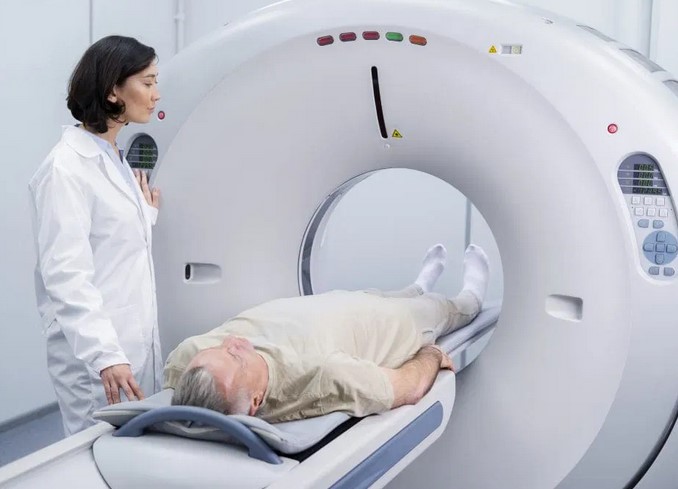
Over the past decade working in clinical health writing, I’ve sat across from countless patients and families navigating the choppy waters of a potential cancer diagnosis. I’ve seen the sheer panic in someone’s eyes when a doctor mentions the word “oncologist.” Instantly, their mind leaps to the worst-case scenario.
But here is a truth I have learned from years on the medical frontline: seeing an oncologist is not a final verdict; it is simply about getting the most qualified expert on your team.
Think of your body as a highly sophisticated smartphone. When an app crashes, your general practitioner (GP) can usually reboot it or clear the cache. But if the core operating system starts acting up in ways nobody understands, you want the specialized software engineer who built the code. That specialized engineer for your body is an oncologist.
Let’s demystify what an oncologist actually does, break down the red flag symptoms you shouldn’t ignore, and clarify exactly when it’s time to schedule that appointment.
What Does an Oncologist Actually Do?
An oncologist is a medical doctor who specializes in diagnosing, staging, and treating cancer. When you are referred to one, they become the captain of your oncology multidisciplinary team, coordinating everything from your initial scans to your long-term survivorship plan.
Cancer isn’t just one disease; it is an umbrella term for hundreds of different cellular mutations. Because of this complexity, the field of oncology is divided into three main branches:
-
Medical Oncologist: This specialist manages your treatment using systemic therapies such as chemotherapy, immunotherapy, and targeted therapy. They are essentially the master pharmacists of the cancer world.
-
Surgical Oncologist: A surgeon who specializes in performing biopsies and surgically removing tumors and nearby cancerous tissues.
-
Radiation Oncologist: An expert who uses high-energy X-rays or radiation therapy to target and shrink cancer cells.
When Should You See an Oncologist? The Timeline of Care
In my years of analyzing patient case studies, I’ve noticed that the path to an oncologist’s office usually follows one of two tracks: the diagnostic track or the direct referral track.
1. After an Abnormal Screening or Lab Result
Most people don’t just wake up and call an oncologist. Usually, your primary care doctor spots an anomaly during a routine checkup. This could be an abnormal shadow on a screening mammogram, an elevated PSA (prostate-specific antigen) level in your bloodwork, or atypical cells caught during a routine Pap smear.
2. Following a Confirmed Biopsy
If a doctor finds a suspicious lump, they will likely order a biopsy—taking a tiny tissue sample to examine under a microscope. If the pathology report confirms the presence of malignant (cancerous) cells, a prompt referral to an oncologist is the standard next step.
Pro Tip from the Field: If your primary doctor confirms a cancer diagnosis, do not wait for them to coordinate everything. Ask for a direct referral to an oncologist immediately, and request physical copies of your pathology reports and imaging scans (like CT or MRI logs) to bring with you. Having these in hand can shave weeks off your wait time.
Cancer Symptoms You Should Never Ignore
Here is where my health journalism background intersects with raw clinical reality: fear causes delay, and delay changes outcomes.
Many people ignore subtle warning signs because they are afraid of what an oncologist might say. However, recognizing these symptoms early gives you the upper hand. Think of these symptoms not as a guarantee of cancer, but as your body’s check-engine light.
Unexplained Weight Loss
If you lose more than 5 kilograms (about 10 pounds) in a short period without changing your diet or exercise routine, pay attention. Cancer cells often consume a massive amount of the body’s energy supply, which can drastically alter your metabolism.
Persistent Fatigue That Rest Doesn’t Fix
We are all tired. But clinical fatigue is different. It’s a bone-deep, heavy exhaustion that doesn’t improve after a solid eight hours of sleep or a weekend of resting. If you feel constantly drained for weeks on end, it warrants bloodwork.
Changes in Your Skin or Existing Moles
Skin cancer, including melanoma, is highly treatable if caught early. Keep a close eye on your skin using the ABCDE rule for moles:
-
Asymmetry (one half doesn’t match the other)
-
Border irregularity (edges are ragged or blurred)
-
Color changes (multiple shades of brown, black, or red)
-
Diameter (larger than a pencil eraser)
-
Evolving (changing in size, shape, or color over time)
Chronic Pain or Atypical Lumps
A new, painless lump in the breast, testicles, lymph nodes, or soft tissues should always be evaluated. Additionally, a persistent cough that lasts for more than a month, or ongoing abdominal pain that doesn’t resolve with over-the-counter medicine, needs a deeper look.
Decoding Your First Oncology Appointment
Walking into an oncology clinic for the first time can feel overwhelming. The terminology alone sounds like a foreign language. To help you feel more in control, let’s break down the core concepts your oncologist will discuss during your initial consultation.
Staging and Grading
Before prescribing a treatment plan, your oncologist must determine the cancer staging. This process determines how large the primary tumor is and whether the cancer is localized or has undergone metastasis (spread to other parts of the body).
They will also look at the tumor’s grade, which tells them how aggressive the cells look under a microscope.
Understanding the Treatment Options
Your oncologist will walk you through a personalized treatment roadmap. Depending on your specific diagnosis, this may include:
| Treatment Type | How it Works | Primary Goal |
| Surgery | Physical removal of the tumor | Eradicate localized cancer |
| Chemotherapy | Powerful drugs that kill fast-growing cells | Destroy systemic cancer cells |
| Radiation | Targeted high-energy beams | Shrink tumors and local control |
| Immunotherapy | Boosting your own immune system | Helping your body fight the cancer |
Hidden Warning: Beware of the “Dr. Google” Trap
As a health writer, I am a huge advocate for patient education. However, there is a dangerous pitfall you must avoid: trying to self-diagnose your symptoms or interpret your pathology reports via search engines.
          [ Internet Search ] ──> Escalates Panic
                 │
                 ▼
    [ Misinterpreted Data ] ──> Causes Delay in Real Care
                 │
                 ▼
[ Better Path: Ask Your Oncologist directly ]
The internet lacks context. A symptom like a persistent cough could be a sign of advanced lung cancer, or it could simply be a case of silent acid reflux or seasonal asthma. When you read unvetted data online, you trigger unnecessary emotional trauma.
Instead, write your questions down in a notebook and present them directly to your oncologist. They have the clinical context of your specific body, your bloodwork, and your scans.
Your Next Steps: Taking Control of Your Health
If you or a loved one are experiencing persistent, unusual symptoms, or if you’ve recently received abnormal lab results, please remember that knowledge is power, and action is your best medicine.
Do not let fear keep you from seeking clarity. Reach out to your primary care physician this week, discuss your symptoms openly, and explicitly ask if a consultation with an oncologist is appropriate for your situation.
Have you or someone close to you ever had to navigate a referral to a specialist? What helped you stay calm during the wait? Share your thoughts and experiences in the comments below—your story might just provide the comfort and courage someone else needs to read today.