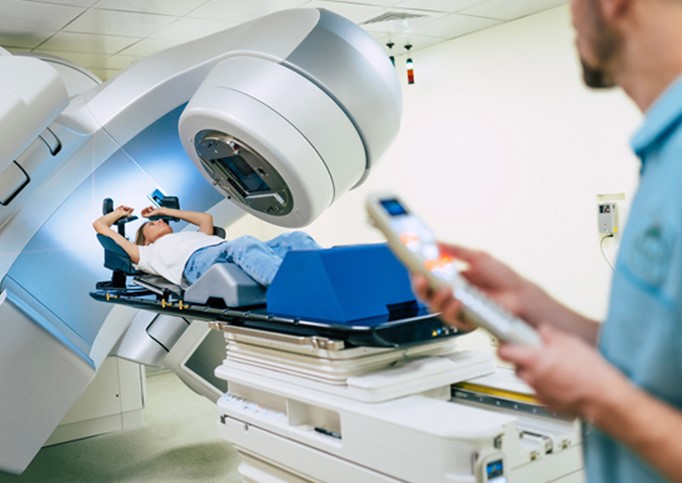
Cancer Treatment Options: Exploring the Latest Advances in Care

Source:https://metrohospitals.com

When a doctor utters the words, “It’s cancer,” time seems to stop. In my over ten years of working closely with clinical oncology teams and communicating medical research, I have sat in consultation rooms during these heavy, silent moments more times than I can count. The immediate emotion is almost always overwhelming fear, quickly followed by a paralyzing flood of information.

A decade ago, the conversation around cancer care was starkly limited: surgery, chemotherapy, or radiation. Today, the landscape looks fundamentally different. We are witnessing a historic transformation where oncology is shifting from a blunt force approach to surgical precision down to the cellular level. Understanding your cancer treatment options is no longer just about knowing what drugs exist; it is about knowing how modern medicine can tailor therapies specifically to your body’s unique genetic code.

Beyond the Big Three: Understanding Modern Cancer Care

For decades, the standard protocol relied on what clinicians affectionately call the “three pillars” of oncology: surgical resection, systemic chemotherapy, and targeted radiation therapy. While these remain critical tools, the way we deploy them has evolved dramatically.
Chemotherapy, for instance, has long carried a reputation for severe toxicity. Traditional cytotoxic drugs work like a carpet bomb—they attack any rapidly dividing cell in the body, which includes cancer cells, but also hair follicles, stomach lining, and bone marrow. Modern protocols, however, increasingly lean on precision administration and protective agents to mitigate these systemic side effects.
To help visualize how the medical community categorizes current options, consider this breakdown:
Treatment Category Primary Mechanism Best Suited For Key Advantage
Traditional Surgery Physical removal of tumor tissue Solid, localized tumors Immediate reduction of tumor burden
Targeted Therapy Blocks specific mutated proteins Tumors with actionable biomarkers Minimal harm to surrounding healthy tissue
Immunotherapy Re-educates host immune system Systemic or metastasized cancers Long-lasting immune memory & durable response
Precision Radiation High-energy ray DNA destruction Inoperable or localized masses High spatial accuracy (e.g., Proton Therapy)

The Frontiers of Precision Medicine: Target, Train, and Edit

The most thrilling developments I have covered over the last few years center around empowering the body’s internal defenses and targeting specific genetic glitches.

1. Immunotherapy: Training Your Immune Army

Your immune system is naturally equipped with natural killer (NK) cells and T-cells designed to destroy abnormal growth. However, cancer cells are master manipulators. They express specific surface proteins—like PD-L1—that act like a “fake ID card,” tricking immune checkpoints into ignoring them.
Checkpoint Inhibitors act like security guards who strip away these fake IDs, allowing your immune system to recognize and eliminate malignant cells.
Another breakthrough is CAR T-Cell Therapy. In this process, clinicians extract a patient’s T-cells, genetically re-engineer them in a lab with specific receptors, and infuse them back into the body. Think of it like taking standard police officers, giving them thermal vision goggles and specialized equipment, and returning them to the field to hunt down a specific target.

2. Targeted Therapy: Lock-and-Key Precision

If traditional chemotherapy is a carpet bomb, targeted therapy is a guided sniper rifle. These medications work by identifying specific genetic mutations—such as EGFR, ALK, or HER2—that tell cancer cells to divide uncontrollably.
By blocking these signal pathways, targeted drugs starve the tumor of growth signals without causing the widespread destruction associated with older modalities.

3. Precision Radiation and Proton Beam Therapy

Radiation therapy is no longer an imprecise beam. Technologies like Proton Beam Therapy utilize heavy, positively charged particles that stop precisely at the tumor site (a phenomenon known as the Bragg Peak). This prevents “exit dose” radiation from damaging delicate surrounding tissue, such as healthy heart or brain tissue.

Navigating Precision Biomarker Testing

One major insight I always emphasize to patients and families is this: two people with the exact same stage of lung cancer may require completely different treatment plans.
This is where biomarker testing (or Next-Generation Sequencing) becomes non-negotiable.
[ Tumor Biopsy / Liquid Biopsy ] ➔ [ Next-Generation Sequencing (NGS) ] ➔ [ Identification of Driver Mutations ] ➔ [ Customized Targeted/Immunotherapy Plan ]
Biomarker testing scans the DNA and proteins of a tumor to create a molecular fingerprint. Without this test, choosing a treatment strategy is like trying to unlock a custom door with a random master key.
  • Genomic Profiling: Identifies DNA mutations within the tumor cells.
  • Liquid Biopsies: A simple blood draw that detects circulating tumor DNA (ctDNA) without needing invasive tissue samples.
  • Companion Diagnostics: Tests designed specifically to determine if a patient will respond to a particular targeted medication.

Expert Advice: Pro Tips & Hidden Pitfalls

PRO TIP: Always Request a Multidisciplinary Tumor Board Review
Never rely on the opinion of a single clinician alone. The best cancer care happens when a tumor board—a collaborative team consisting of surgical oncologists, medical oncologists, radiation oncologists, pathologists, and geneticists—reviews your case together. Ask your primary care team if your treatment plan has been evaluated by a multidisciplinary board.

Hidden Pitfalls to Avoid:

  • Rushing into Treatment Without Biomarker Results: Unless your condition requires immediate emergency intervention, waiting a few weeks for comprehensive genomic sequencing results can prevent you from starting a less effective therapy first.
  • Ignoring Clinical Trials as an Early Option: Clinical trials are often misunderstood as a “last resort.” In reality, Phase II and Phase III trials frequently offer early access to cutting-edge therapies years before they become widely available standard-of-care treatments.
  • Underestimating Integrative Palliative Care: Palliative care is not hospice care. Involving palliative specialists early in your treatment helps manage side effects, pain, and psychological stress, which directly improves your ability to stay on your primary cancer treatment schedule.

Empowering Your Path Forward

Navigating the landscape of modern cancer treatment options can feel daunting, but you do not have to walk this path without guidance. Medicine has moved away from one-size-fits-all solutions toward highly personalized strategies designed to offer maximum efficacy with optimal quality of life.
The most critical step you can take today is advocating for your own care: ask questions, demand molecular testing, seek second opinions, and leverage multidisciplinary expertise.
Are you or a loved one currently navigating treatment decisions? What questions do you have about biomarker testing or novel therapies? Share your thoughts or questions in the comments below—let’s keep this vital conversation going!

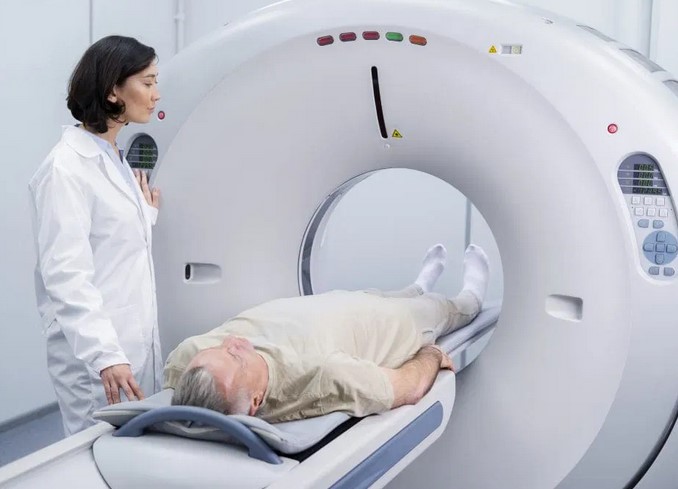
Alzheimer’s Care: Providing Support for Loved Ones with Dementia

Source:https://assets.clevelandclinic.org

Imagine walking into your kitchen to find your mother—the woman who managed a corporate budget for thirty years—staring blankly at a kettle, completely unable to remember how to boil water. Or worse, looking directly at you with a distant, fearful gaze and asking, “Who are you, and when is my child coming home?”

If you have ever experienced a moment like this, your heart probably dropped into your stomach. You aren’t alone. Over my ten years writing about neurological health and working alongside families in memory clinics, I have seen this exact moment replay hundreds of times.

Navigating Alzheimer’s care is arguably one of the most emotionally taxing journeys a caregiver will ever take. But I want to tell you something I have learned from a decade on the ground: while we cannot yet cure the disease, we absolutely can protect the dignity, connection, and quality of life for the person experiencing it.

Let’s dive deep into how Alzheimer’s alters the brain, how to handle shifting behaviors, and how to build a sustainable care strategy without losing yourself in the process.

Decoding the Dementia Brain: What is Actually Happening?

To provide effective Alzheimer’s care, we first need to understand the enemy. Many people use “dementia” and “Alzheimer’s” interchangeably, but they aren’t the same thing. Dementia is the umbrella term for cognitive decline, while Alzheimer’s disease is the most common cause, accounting for 60% to 80% of all cases.

Think of your loved one’s brain as a bustling, vibrant metropolis. In a healthy brain, millions of neurons send electrical signals across synapses like cars flowing smoothly down a highway.

In an Alzheimer’s brain, abnormal protein fragments called amyloid plaques and neurofibrillary tangles act like massive, catastrophic roadblocks. Over time, these roadblocks cut off supplies to entire neighborhoods of the brain, causing neurons to wither and die.

When a person with dementia repeats the same question five times in ten minutes, they aren’t trying to frustrate you. The “neighborhood” responsible for recording the last ten minutes has simply gone dark. They are asking because, to them, it genuinely feels like the very first time.

Redefining Communication in Alzheimer’s Care

In my early years analyzing clinical care patterns, I noticed a universal mistake that well-meaning caregivers make: trying to force a dementia patient back into our reality.

If your grandfather insists that his long-deceased brother is coming over for dinner tonight, correcting him by saying, “Grandpa, John died ten years ago,” will not help. It will only cause him to experience the raw, agonizing grief of losing his brother all over again—potentially multiple times a day.

Instead, seasoned memory care professionals practice validation therapy. Meet them in their reality.

Shift from Correction to Connection

Instead of arguing, pivot to the emotion behind their words. If they are looking for their brother, say, “John was wonderful, wasn’t he? Tell me about your favorite memory with him.” You bypass the broken short-term memory circuits and tap straight into long-term emotional memories, which often remain intact much longer.

Non-Verbal Cues Speak Louder Than Words

As cognitive impairment progresses, your body language becomes their primary language.

  • Approach them from the front so you don’t startle them.

  • Maintain gentle eye level contact; never hover over them.

  • Speak in short, distinct sentences rather than complex paragraphs.

  • Match a calm voice with a relaxed facial expression—they will mirror your energy.

Creating a Safe and Predictable Home Environment

The physical space around a person with dementia heavily dictates their anxiety levels. Because Alzheimer’s gradually degrades visual-spatial perception, a standard home can suddenly feel like a house of horrors.

Here are the highest-yield environmental modifications you can make to optimize daily comfort and safety:

  • Eliminate Shadows and Glare: A dark rug on a light floor can look like a gaping hole to someone with advanced dementia, causing them to freeze or trip. Ensure even, bright lighting across all rooms.

  • Label Everything with Clear Signage: Place simple picture-and-word signs on doors (e.g., a picture of a toilet on the bathroom door) to reduce the anxiety of getting lost in their own home.

  • Secure Wandering Pathways: Installing deadbolts high out of the normal line of sight or using smart door sensors can prevent dangerous, unsupervised wandering episodes.

Managing Challenging Behaviors: Sundowning and Agitation

Around late afternoon, you might notice your loved one becoming increasingly restless, suspicious, or even aggressive. In the clinical world, we call this sundowning.

Sundowning is triggered by a mix of exhaustion, shifting circadian rhythms, and the loss of visual cues as sunlight fades. When this happens, logic will not work. Routine will.

The Trigger The Presentation The Caregiver Intervention
Sundowning Late-afternoon anxiety, pacing, paranoia Close blinds early, turn on bright indoor lights, play familiar music.
Agitation Shadowing (following you everywhere), yelling Check for physical discomfort (UTI, hunger, pain) or overstimulation.
Apathy Refusing to eat or participate in hobbies Break tasks down into one-step micro-choices (e.g., “Hold this spoon”).

The UTI Connection

If your loved one exhibits a sudden, dramatic spike in confusion, aggression, or hallucinations over the span of just 24 to 48 hours, do not assume it is just their Alzheimer’s progressing. Rapid behavioral shifts are very frequently caused by an underlying Urinary Tract Infection (UTI). Because of neurological changes, elderly dementia patients rarely feel the typical localized pain of a UTI; instead, the infection manifests as acute delirium. Always consult their physician immediately for a urine analysis when sudden shifts occur.

Pro Tips for Preventing Caregiver Burnout

I have seen countless caregivers sacrifice their own physical health, marriages, and mental stability on the altar of round-the-clock care. They operate under the illusion that asking for help equals failure.

Let me be incredibly firm here: You cannot pour from an empty cup. If you crash, the entire care apparatus for your loved one collapses with you.

1. Build a Care Team Early

Do not wait for a crisis to look into respite care options. Whether it’s enrolling your loved one in a local adult day program a few mornings a week or hiring an in-home care aide, build a network early so your loved one gets used to multiple faces.

2. Join a Specific Support Group

Nobody understands the unique grief of watching a living person slowly fade away quite like fellow dementia caregivers. Joining an Alzheimer’s Association support group provides an anonymous, judgment-free space to vent, cry, and share practical local resources.

Conclusion: Finding Meaning in the Present

Providing Alzheimer’s care requires a profound shift in perspective. It forces us to stop living in the past or worrying about the future, and instead anchor ourselves entirely in the current moment.

Your loved one might not remember your name tomorrow, but they will remember the warm, safe feeling they had while holding your hand today. The cognitive mind may falter, but the human emotional spirit remains remarkably resilient.

If you are currently caring for a family member with dementia, what has been your biggest hurdle this week? Or, if you’ve been on this path for a while, what is one piece of advice you wish you had known at the start? Let’s build a supportive community in the comments below—your insight could be exactly what another weary caregiver needs to read today.

When to See an Oncologist: Understanding Cancer Symptoms and Care

Source:https://livhospital.b-cdn.net

Over the past decade working in clinical health writing, I’ve sat across from countless patients and families navigating the choppy waters of a potential cancer diagnosis. I’ve seen the sheer panic in someone’s eyes when a doctor mentions the word “oncologist.” Instantly, their mind leaps to the worst-case scenario.

But here is a truth I have learned from years on the medical frontline: seeing an oncologist is not a final verdict; it is simply about getting the most qualified expert on your team.

Think of your body as a highly sophisticated smartphone. When an app crashes, your general practitioner (GP) can usually reboot it or clear the cache. But if the core operating system starts acting up in ways nobody understands, you want the specialized software engineer who built the code. That specialized engineer for your body is an oncologist.

Let’s demystify what an oncologist actually does, break down the red flag symptoms you shouldn’t ignore, and clarify exactly when it’s time to schedule that appointment.

What Does an Oncologist Actually Do?

An oncologist is a medical doctor who specializes in diagnosing, staging, and treating cancer. When you are referred to one, they become the captain of your oncology multidisciplinary team, coordinating everything from your initial scans to your long-term survivorship plan.

Cancer isn’t just one disease; it is an umbrella term for hundreds of different cellular mutations. Because of this complexity, the field of oncology is divided into three main branches:

  • Medical Oncologist: This specialist manages your treatment using systemic therapies such as chemotherapy, immunotherapy, and targeted therapy. They are essentially the master pharmacists of the cancer world.

  • Surgical Oncologist: A surgeon who specializes in performing biopsies and surgically removing tumors and nearby cancerous tissues.

  • Radiation Oncologist: An expert who uses high-energy X-rays or radiation therapy to target and shrink cancer cells.

When Should You See an Oncologist? The Timeline of Care

In my years of analyzing patient case studies, I’ve noticed that the path to an oncologist’s office usually follows one of two tracks: the diagnostic track or the direct referral track.

1. After an Abnormal Screening or Lab Result

Most people don’t just wake up and call an oncologist. Usually, your primary care doctor spots an anomaly during a routine checkup. This could be an abnormal shadow on a screening mammogram, an elevated PSA (prostate-specific antigen) level in your bloodwork, or atypical cells caught during a routine Pap smear.

2. Following a Confirmed Biopsy

If a doctor finds a suspicious lump, they will likely order a biopsy—taking a tiny tissue sample to examine under a microscope. If the pathology report confirms the presence of malignant (cancerous) cells, a prompt referral to an oncologist is the standard next step.

Pro Tip from the Field: If your primary doctor confirms a cancer diagnosis, do not wait for them to coordinate everything. Ask for a direct referral to an oncologist immediately, and request physical copies of your pathology reports and imaging scans (like CT or MRI logs) to bring with you. Having these in hand can shave weeks off your wait time.

Cancer Symptoms You Should Never Ignore

Here is where my health journalism background intersects with raw clinical reality: fear causes delay, and delay changes outcomes.

Many people ignore subtle warning signs because they are afraid of what an oncologist might say. However, recognizing these symptoms early gives you the upper hand. Think of these symptoms not as a guarantee of cancer, but as your body’s check-engine light.

Unexplained Weight Loss

If you lose more than 5 kilograms (about 10 pounds) in a short period without changing your diet or exercise routine, pay attention. Cancer cells often consume a massive amount of the body’s energy supply, which can drastically alter your metabolism.

Persistent Fatigue That Rest Doesn’t Fix

We are all tired. But clinical fatigue is different. It’s a bone-deep, heavy exhaustion that doesn’t improve after a solid eight hours of sleep or a weekend of resting. If you feel constantly drained for weeks on end, it warrants bloodwork.

Changes in Your Skin or Existing Moles

Skin cancer, including melanoma, is highly treatable if caught early. Keep a close eye on your skin using the ABCDE rule for moles:

  • Asymmetry (one half doesn’t match the other)

  • Border irregularity (edges are ragged or blurred)

  • Color changes (multiple shades of brown, black, or red)

  • Diameter (larger than a pencil eraser)

  • Evolving (changing in size, shape, or color over time)

Chronic Pain or Atypical Lumps

A new, painless lump in the breast, testicles, lymph nodes, or soft tissues should always be evaluated. Additionally, a persistent cough that lasts for more than a month, or ongoing abdominal pain that doesn’t resolve with over-the-counter medicine, needs a deeper look.

Decoding Your First Oncology Appointment

Walking into an oncology clinic for the first time can feel overwhelming. The terminology alone sounds like a foreign language. To help you feel more in control, let’s break down the core concepts your oncologist will discuss during your initial consultation.

Staging and Grading

Before prescribing a treatment plan, your oncologist must determine the cancer staging. This process determines how large the primary tumor is and whether the cancer is localized or has undergone metastasis (spread to other parts of the body).

They will also look at the tumor’s grade, which tells them how aggressive the cells look under a microscope.

Understanding the Treatment Options

Your oncologist will walk you through a personalized treatment roadmap. Depending on your specific diagnosis, this may include:

Treatment Type How it Works Primary Goal
Surgery Physical removal of the tumor Eradicate localized cancer
Chemotherapy Powerful drugs that kill fast-growing cells Destroy systemic cancer cells
Radiation Targeted high-energy beams Shrink tumors and local control
Immunotherapy Boosting your own immune system Helping your body fight the cancer

Hidden Warning: Beware of the “Dr. Google” Trap

As a health writer, I am a huge advocate for patient education. However, there is a dangerous pitfall you must avoid: trying to self-diagnose your symptoms or interpret your pathology reports via search engines.

          [ Internet Search ] ──> Escalates Panic
                 │
                 ▼
    [ Misinterpreted Data ] ──> Causes Delay in Real Care
                 │
                 ▼
[ Better Path: Ask Your Oncologist directly ]

The internet lacks context. A symptom like a persistent cough could be a sign of advanced lung cancer, or it could simply be a case of silent acid reflux or seasonal asthma. When you read unvetted data online, you trigger unnecessary emotional trauma.

Instead, write your questions down in a notebook and present them directly to your oncologist. They have the clinical context of your specific body, your bloodwork, and your scans.

Your Next Steps: Taking Control of Your Health

If you or a loved one are experiencing persistent, unusual symptoms, or if you’ve recently received abnormal lab results, please remember that knowledge is power, and action is your best medicine.

Do not let fear keep you from seeking clarity. Reach out to your primary care physician this week, discuss your symptoms openly, and explicitly ask if a consultation with an oncologist is appropriate for your situation.

Have you or someone close to you ever had to navigate a referral to a specialist? What helped you stay calm during the wait? Share your thoughts and experiences in the comments below—your story might just provide the comfort and courage someone else needs to read today.

The Importance of Dental Checkups: Keeping Your Smile Healthy

Source:https://img.freepik.com

Most people view the dentist’s chair as a place of “last resort”—a destination only visited when a toothache becomes so unbearable that it overrides the fear of the drill. In my decade of writing for the health sector and observing clinical trends, I’ve seen this reactive approach lead to more heartbreak (and “wallet-break”) than almost any other health habit.

Think of your mouth as the front door to your entire body’s health. If the hinges are rusting and the lock is broken, it’s only a matter of time before the rest of the house feels the draft. In this deep dive, we’re going to peel back the layers on why dental checkups are far more than just a quick polish and a “see you in six months.”


Why We Wait Until It Hurts (and Why That’s a Mistake)

I’ve sat through countless interviews with periodontists who all say the same thing: Enamel does not have nerve endings. By the time you actually feel pain in a tooth, the “enemy” has already breached the outer fortress.

If you wait for pain, you aren’t looking for a checkup; you’re looking for a rescue operation. Regular dental checkups are designed to catch the silent whispers of decay before they turn into the screams of an abscess. In the medical world, we call this “asymptomatic progression.” In the real world, we call it a “sneaky bill.”

The “Car Maintenance” Analogy

Imagine never changing the oil in your car because “it’s still driving fine.” You might save $50 today, but you are guaranteeing a $5,000 engine failure down the road. Dental checkups are your oil changes. Scaling and polishing are the tune-ups that prevent your “engine” (your jawbone and teeth) from seizing up.


The Anatomy of a Professional Dental Checkup

A common misconception among beginners is that a dentist just looks for cavities. While that’s part of it, a comprehensive exam is much more “CSI” than you might think. Here is what is actually happening while you’re staring at those fluorescent ceiling tiles:

1. The Oral Cancer Screening

This is perhaps the most critical part of the visit that patients never notice. We practitioners are trained to look for soft tissue irregularities—discoloration, lumps, or asymmetrical patches on the tongue and throat. Early detection in this area is quite literally a lifesaver.

2. Periodontal Probing (The Depth Check)

Have you ever heard your dentist shout out numbers like “2, 3, 2, 4” to the assistant? They are measuring the “pockets” between your gums and teeth.

  • 1-3mm: You’re a superstar.

  • 4mm+: We’re entering the “danger zone” of gingivitis or periodontitis.

    These numbers tell us if your bone structure is receding, which is the primary cause of tooth loss in adults.

3. Plaque vs. Tartar (Calculus)

Here is an insider insight: You cannot brush away tartar. Plaque is the soft, sticky film you can remove with floss. However, once it mineralizes into tartar, it becomes as hard as concrete. Only ultrasonic scalers and professional tools used during dental checkups can vibrate that “concrete” off your teeth without damaging the enamel.


The Systemic Connection: Your Mouth and Your Heart

One of the most fascinating developments in health research over the last decade is the Oral-Systemic Link. As a health writer, I’ve spent years tracking studies that connect chronic oral inflammation to systemic issues.

  • Cardiovascular Health: Bacteria from infected gums can enter the bloodstream, contributing to the inflammation of arteries.

  • Diabetes Management: It is a two-way street. Gum disease can make it harder to control blood sugar, and high blood sugar makes it harder for the body to fight mouth infections.

  • Pregnancy Complications: There is a documented link between severe gum disease and low birth weight or preterm births.

When you skip your dental checkups, you aren’t just risking a cavity; you are potentially ignoring a trigger for systemic inflammation.


Modern Technology in the Dentist’s Office

If your last memory of the dentist involves sharp metal hooks and scary X-ray films, you’ll be happy to know the industry has evolved.

  • Intraoral Cameras: These allow us to show you exactly what we see on a high-def screen. It’s hard to ignore a crack in your molar when it’s magnified 40x in front of your face.

  • Digital X-rays: These use significantly less radiation than traditional film and provide instant results, allowing for a more precise diagnosis of what’s happening beneath the gum line.

  • AI-Assisted Diagnostics: Some modern clinics now use AI software to scan X-rays, catching microscopic decay that the human eye might overlook during a busy day.


Pro Tips: Getting the Most Out of Your Visit

To move from a beginner to an intermediate “health-conscious” patient, you need to change how you interact with your dental professional.

💡 Pro Tip: The “Bleeding Truth”

If your gums bleed when you floss, do not stop flossing. Bleeding is a sign of inflammation, not injury. It means you need to floss more consistently to clear out the bacteria causing the swelling. Mention this specifically during your dental checkups so the hygienist can check for deep-seated tartar in that area.

⚠️ The “White Tooth” Myth

Just because your teeth are white doesn’t mean they are healthy. Many people use abrasive whitening charcoal or pastes that strip enamel. You can have a “Hollywood smile” while simultaneously suffering from stage 2 gum disease. Health is found in the pink (gums), not just the white (teeth).


Overcoming “Dental Anxiety”

If the sound of the tools makes your heart race, you aren’t alone. Approximately 36% of the population deals with dental anxiety.

My advice? Be vocal. Modern dentistry has “Sleep Dentistry” (Sedation) and “Comfort Menus” (weighted blankets, noise-canceling headphones). A good dentist would much rather spend 10 minutes calming your nerves than have you skip your dental checkups for five years and end up needing an emergency root canal.


The Financial Reality of Prevention

Let’s talk numbers. A standard dental checkup and cleaning might cost you a modest amount (or be entirely covered by insurance).

In contrast:

  • A Filling costs 3x-5x more.

  • A Root Canal and Crown can cost 20x-30x more.

  • A Dental Implant to replace a lost tooth can cost 50x more.

From a purely financial standpoint, preventive care is the highest-return investment you can make. It is the only “insurance policy” where you get to keep your natural body parts.


Conclusion: Your Six-Month Reset

Your smile is a masterpiece, but it’s a living one. It requires constant maintenance to withstand the acids, bacteria, and physical wear-and-tear of daily life. Regular dental checkups aren’t a chore; they are a vital “reset button” for your oral microbiome.

I’ve seen patients transform their confidence simply by getting their gum health under control. When your mouth feels clean and healthy, you breathe easier—literally and figuratively.

When was the last time you sat in the chair? Don’t wait for the “lightning bolt” of a toothache to strike. Call your clinic today and schedule that cleaning. Your future self (and your heart) will thank you.

Do you have a specific question about what happens during a cleaning or how to choose the right dentist? Drop a comment below or share your best tip for keeping your gums healthy between visits!

Pain Management Treatments: Options for Relieving Chronic Pain

Source:https://www.spinecare.co.in

It’s 3:00 AM, and you’re staring at the ceiling. You’ve already tried the heating pad, the extra-strength ibuprofen, and that weird stretching routine you found on YouTube. Yet, the dull, throbbing ache in your lower back—the one that has been your unwanted companion for six months—refuses to leave. If this sounds familiar, you aren’t alone; over 20% of adults globally live with chronic pain, making it the leading cause of disability and skyrocketing healthcare costs.

In my twelve years as a health writer, I’ve sat in rooms with pain specialists and patients who felt they had reached the end of their rope. I remember a woman named Maria who told me, “I don’t need to be a marathon runner; I just want to pick up my grocery bags without crying.” That’s the reality of chronic pain—it’s not just a physical sensation; it’s a thief that steals your quality of life.

Today, we are moving beyond the “take a pill and call me in the morning” era. Pain Management Treatments have evolved into a sophisticated, multi-modal discipline. Let’s dive deep into the options that actually work, from the pharmacy shelf to the cutting edge of neurotechnology.

1. The “Faulty Alarm” Analogy: Understanding Chronic Pain

To treat pain, you must understand what it actually is. Think of acute pain (like a bee sting) as a smoke detector. It screams to tell you there’s a fire. You put the fire out, and the alarm stops.

Chronic pain is different. It’s like a faulty alarm system that keeps blaring even though the fire was extinguished months ago. The nerves have become “sensitized,” firing signals to the brain out of habit. Effective Pain Management Treatments aren’t just about “fixing the fire”; they are about recalibrating the alarm system so you can live in peace again.

2. Pharmacological Foundations: Moving Beyond Opioids

For a long time, the medical world leaned too heavily on a single tool. Today, we know that a “cocktail” approach is often safer and more effective.

Non-Steroidal Anti-Inflammatory Drugs (NSAIDs)

These are your front-line soldiers. They work by blocking enzymes (COX-1 and COX-2) that produce prostaglandins, the chemicals that signal pain and cause inflammation.

  • Best for: Arthritis, muscle aches, and inflammatory conditions.

Adjuvant Medications: The “Off-Label” Heroes

In my decade in this field, I’ve seen many patients confused when a doctor prescribes an anti-depressant or an anti-seizure med for back pain.

  • The Insight: Medications like Gabapentin or Duloxetine aren’t being used because you’re “depressed.” They are used because they chemically dampen the overactive electrical signals in “sensitized” nerves. This is often the missing piece for Neuropathic Pain.

3. Physical and Interventional Procedures: Direct Action

When pills aren’t enough, we look at interventional Pain Management Treatments that target the source.

Epidural Steroid Injections (ESI)

If you have a herniated disc, a specialist might inject an anti-inflammatory steroid directly into the space around your spinal nerves. It’s like putting a fire extinguisher right on the embers rather than spraying the whole house.

Nerve Blocks and Radiofrequency Ablation (RFA)

For chronic joint or back pain, doctors can use “Nerve Blocks” to temporarily numb a specific nerve. If it works, they may perform Radiofrequency Ablation, which uses heat to “turn off” the nerve’s ability to send pain signals for 6 to 12 months.

Physical Therapy: The “Movement is Medicine” Pillar

As a health writer, I’ve interviewed countless PTs, and they all say the same thing: Passive treatments (massage, heat) are the appetizer; active movement is the main course. PT builds the “scaffolding” (muscles) around your joints to take the pressure off the sensitive areas.

💡 Pro Tip: The “Central Sensitization” Check

If you find that even a light touch or a cool breeze feels painful (a condition called Allodynia), your pain has likely moved into “Central Sensitization.” In this case, traditional physical treatments might flare you up. You need a specialist who focuses on “Pain Neuroscience Education” to help your brain feel safe again before you start lifting weights.

4. Complementary and Integrative Medicine: The Mind-Body Connection

We can no longer ignore the psychological component of pain. The brain’s limbic system (emotional center) is directly wired to how we perceive physical signals.

  • Cognitive Behavioral Therapy (CBT): This helps you identify “catastrophizing” thoughts (e.g., “My back will never get better”). By changing the thought, you can actually lower the intensity of the physical signal.

  • Acupuncture: From a technical perspective, acupuncture is thought to stimulate the release of Endorphins (the body’s natural painkillers) and affect blood flow.

  • Mindfulness-Based Stress Reduction (MBSR): I’ve seen incredible data showing that daily meditation can “shrink” the parts of the brain associated with chronic pain processing.

5. Cutting-Edge Tech: Neuromodulation and Beyond

For those who have tried everything else, we are entering the age of Neuromodulation.

Spinal Cord Stimulators (SCS)

Think of this as a “pacemaker for pain.” A small device is implanted under the skin that sends mild electrical pulses to the spinal cord. These pulses interfere with the pain signals before they reach the brain, replacing the ache with a gentle tingling sensation (or, in newer models, no sensation at all).

Bio-Electronic Medicine

We are seeing the rise of wearable devices that use TENS (Transcutaneous Electrical Nerve Stimulation) but with much smarter algorithms that adapt to your specific pain patterns throughout the day.


The “Quick Fix” Mirage

Here is a “Hidden Warning” from someone who has analyzed a decade of clinical trials: Beware of any clinic that promises a 100% “cure” for chronic pain with a single expensive procedure.

The Reality: Chronic pain management is almost always a “stacked” strategy. It requires a combination of movement, psychological tools, and medical intervention. If a treatment sounds like a “magic bullet,” it’s likely just good marketing. Effective recovery is a marathon, not a sprint, and it requires a dedicated Pain Management Treatments plan tailored to your specific biology.


6. LSI Keywords and Technical Vocabulary to Know

When discussing options with your doctor, using these terms will help you get better results:

  • Nociceptive Pain: Pain caused by actual tissue damage (cuts, burns, fractures).

  • Neuropathic Pain: Pain caused by a malfunctioning nervous system (shingles, sciatica, diabetic neuropathy).

  • Multimodal Analgesia: Using multiple types of pain relief at once to reduce side effects from any one drug.

  • Bio-Psycho-Social Model: The modern standard of treating pain by looking at biology, psychology, and social factors together.

Summary: Reclaiming Your Narrative

The goal of Pain Management Treatments isn’t just a “zero” on the pain scale—though that would be nice. The goal is functional restoration. It’s about Maria being able to carry those groceries. It’s about you being able to sleep through the night and attend your daughter’s graduation without a folding chair.

By understanding that pain is a complex signal involving your nerves, your brain, and your environment, you can stop fighting a losing battle and start using a strategic toolkit. You are not “broken”; your alarm system is just tuned too high.

What does “relief” look like for you?

We often focus on what we can’t do because of pain. I want to flip the script.

I’d love to hear from you: If your pain levels were cut in half tomorrow, what is the very first thing you would do? Is it a hobby you’ve put on the shelf, or a place you’ve wanted to visit? Drop a comment below and let’s talk about how to get you back to the things you love.

How to Manage Medical Costs Effectively

Source:https://theenterpriseworld.com

Rising healthcare expenses have become a major concern for individuals, families, and even employers across the globe. From routine checkups to unexpected medical emergencies, healthcare spending can place significant strain on personal finances if not handled strategically. Understanding Medical Costs Management is essential for maintaining both physical well-being and financial stability. By taking a proactive, informed approach, individuals can reduce unnecessary expenses, make smarter healthcare decisions, and gain greater control over their long-term financial health.

Understanding the Key Drivers of Medical Expenses

Effectively managing healthcare spending begins with understanding what drives medical costs. Medical expenses are influenced by a combination of factors, including the type of care received, frequency of services, location, insurance coverage, and individual health conditions. Hospital stays, specialist consultations, prescription medications, diagnostic tests, and chronic disease management often account for the largest portion of healthcare spending.

One major contributor to high costs is lack of price transparency. Many patients receive care without knowing the actual cost until bills arrive weeks or months later. Differences in pricing between providers for the same service can be substantial, even within the same geographic area. Without access to clear pricing information, individuals may unknowingly choose higher-cost options.

Another factor is delayed care. Skipping preventive services or postponing treatment due to cost concerns can lead to more serious health conditions that require expensive interventions later. For example, untreated high blood pressure or diabetes may eventually result in hospitalization, significantly increasing overall expenses.

Insurance design also plays a crucial role. Deductibles, copayments, coinsurance, and coverage limitations directly affect out-of-pocket costs. Individuals who do not fully understand their insurance benefits may underutilize covered services or face unexpected charges. Recognizing these cost drivers is the first step toward more effective financial decision-making in healthcare.

Practical Strategies to Control and Reduce Healthcare Spending

Managing medical expenses requires a combination of planning, awareness, and active participation in healthcare decisions. Small, consistent actions can lead to meaningful savings over time without compromising quality of care.

Smart Planning and Informed Healthcare Choices

One of the most effective strategies is prioritizing preventive care. Routine screenings, vaccinations, and annual checkups help detect health issues early, when they are typically easier and less expensive to treat. Many insurance plans cover preventive services at little or no cost, making them a cost-effective investment in long-term health.

Choosing providers carefully can also reduce expenses. Comparing costs for procedures, tests, or imaging services allows patients to select more affordable options. When possible, using in-network providers helps minimize out-of-pocket payments. For non-emergency situations, outpatient clinics or urgent care centers may offer lower-cost alternatives to hospital emergency rooms.

Prescription medication costs can often be reduced by asking healthcare providers about generic alternatives, which are usually as effective as brand-name drugs but significantly less expensive. Reviewing medication lists regularly with a healthcare professional can help eliminate unnecessary or duplicate prescriptions.

Another important strategy is understanding and maximizing insurance benefits. Reviewing policy documents, tracking deductibles, and knowing which services require prior authorization can prevent unexpected bills. Health savings accounts or flexible spending accounts, where available, offer tax advantages that can further reduce the financial burden of medical expenses.

Open communication with healthcare providers is equally important. Patients should feel empowered to ask questions about treatment options, necessity of tests, and potential costs. Many providers are willing to discuss alternative approaches or payment plans when cost concerns are clearly expressed.

Long-Term Financial Planning for Healthcare Needs

While short-term strategies help manage immediate expenses, long-term planning is essential for sustainable healthcare affordability. Anticipating future medical needs allows individuals to prepare financially and reduce stress during unexpected health events.

Building an emergency fund specifically for medical expenses provides a financial buffer against sudden costs. Even modest, consistent contributions can create meaningful protection over time. This fund can be especially valuable for individuals with high-deductible insurance plans.

Lifestyle choices also play a critical role in long-term cost control. Maintaining a healthy diet, staying physically active, managing stress, and avoiding harmful habits reduce the risk of chronic illnesses that often require ongoing and costly treatment. Investing in wellness today can lead to substantial financial savings in the future.

For families and aging individuals, planning should include consideration of future care needs. Understanding options for long-term care, rehabilitation services, or home-based care allows for informed decisions and financial preparation. Reviewing insurance coverage periodically ensures it continues to align with changing health and life circumstances.

Technology can further support cost management. Health apps, digital records, and telehealth services improve access to care while often reducing associated costs. Virtual consultations, when appropriate, eliminate travel expenses and may cost less than in-person visits.

Healthcare costs do not have to be overwhelming when approached with knowledge, planning, and proactive engagement. By understanding cost drivers, making informed choices, and preparing for future needs, individuals can protect both their health and financial well-being. Effective Medical Costs Management empowers people to navigate the healthcare system with confidence, reduce unnecessary expenses, and build a more secure foundation for long-term health and financial stability.

Telemedicine: The Future of Convenient Healthcare

Source:https://cdn.prod.website-files.com

Telemedicine has revolutionized the way healthcare is delivered, allowing patients to consult with doctors and healthcare providers from the comfort of their homes. With rapid advancements in technology and the growing demand for accessible healthcare, telemedicine has emerged as a game-changer in the medical field. By leveraging digital platforms and communication tools, telemedicine makes it easier than ever for individuals to receive timely care without the need for in-person visits. This article explores the rise of telemedicine, its benefits, and how it is reshaping the future of healthcare delivery.

The Rise of Telemedicine: Convenience Meets Care

The concept of telemedicine isn’t new, but its widespread adoption accelerated during the COVID-19 pandemic, which pushed healthcare systems to explore digital alternatives in response to social distancing guidelines and overwhelmed hospitals. Patients who were once hesitant about virtual consultations quickly discovered the convenience and safety of remote care.

1. What is Telemedicine?

Telemedicine refers to the use of telecommunications technology, such as video calls, phone consultations, and messaging platforms, to provide healthcare services remotely. This technology allows healthcare providers to diagnose, treat, and monitor patients without requiring them to leave their homes or visit a clinic.

Telemedicine can be used for a wide range of healthcare services, from routine check-ups and mental health counseling to managing chronic conditions and follow-up care. It is particularly useful for individuals who live in rural or underserved areas, where access to healthcare facilities is limited, and for those with mobility issues or time constraints that prevent them from visiting a doctor in person.

2. Key Components of Telemedicine

Telemedicine involves several key components that facilitate remote healthcare delivery:

  • Video Conferencing: Healthcare providers use video calls to assess patients, discuss symptoms, and provide consultations. This technology allows for visual examination, which is particularly important for dermatology, psychology, and other specialties.
  • Remote Monitoring: Devices like blood pressure monitors, glucose meters, and wearable fitness trackers help doctors monitor patients’ vital signs and health metrics remotely. This is especially valuable for managing chronic diseases such as diabetes, hypertension, and heart disease.
  • Electronic Health Records (EHR): Telemedicine platforms often integrate with EHR systems, allowing healthcare providers to access patient history, treatment plans, and diagnostic results quickly and securely.

Benefits of Telemedicine: Making Healthcare More Accessible

Telemedicine offers numerous advantages for both patients and healthcare providers. Here are some key benefits that make telemedicine a promising alternative to traditional healthcare delivery:

1. Improved Access to Care

One of the most significant benefits of telemedicine is its ability to make healthcare more accessible, especially for those who live in rural areas or have limited access to transportation. In many remote locations, telemedicine eliminates the need for patients to travel long distances to see a doctor. This is especially beneficial for individuals with chronic health conditions who require regular check-ups and consultations.

For patients with disabilities or limited mobility, telemedicine offers a much-needed solution. Instead of navigating physical barriers to visit a healthcare facility, patients can receive care from the comfort of their own homes. Additionally, telemedicine helps reduce waiting times for appointments, allowing patients to access care more promptly.

2. Cost-Effective Healthcare

Telemedicine can significantly reduce the cost of healthcare, both for patients and providers. For patients, virtual consultations often come at a lower cost than in-person visits, as there are no transportation expenses or long wait times. Healthcare providers can also save on administrative costs and resources associated with maintaining physical office spaces, which can lead to lower overall healthcare expenses.

For employers, telemedicine can reduce healthcare-related costs by providing employees with convenient access to medical consultations, reducing sick days and enhancing overall productivity.

3. Convenience and Flexibility

Telemedicine offers unparalleled convenience, allowing patients to schedule appointments at times that fit their busy schedules. Patients can consult with healthcare providers during off-hours, including evenings or weekends, without having to disrupt their daily routine. This level of flexibility is particularly beneficial for individuals with demanding work schedules or family obligations.

Moreover, telemedicine provides a more streamlined and efficient healthcare experience. Patients no longer have to sit in crowded waiting rooms for hours or deal with the hassle of scheduling multiple appointments. With a few clicks, they can connect with their healthcare providers in a matter of minutes.

4. Mental Health and Telemedicine

Telemedicine has become an essential tool for mental health care, especially during the pandemic when face-to-face therapy became difficult. Virtual counseling and therapy sessions have proven to be just as effective as in-person visits for many patients, offering them a safe and confidential environment to discuss their concerns. Mental health providers use video calls, messaging, and even text-based therapy platforms to engage with patients.

Telemedicine also reduces the stigma associated with seeking mental health care, as patients can receive therapy from the privacy of their own homes, without the need to physically visit a clinic.

Challenges and Considerations for Telemedicine

While telemedicine offers substantial benefits, there are also challenges and considerations that must be addressed to ensure its effective implementation and long-term success:

1. Technology Barriers

Not all patients have access to the necessary technology to participate in telemedicine, especially older adults or those living in low-income households. Broadband internet access is also a critical factor—patients in rural areas may face connectivity issues that hinder their ability to engage in virtual consultations. To mitigate these barriers, healthcare systems must invest in providing access to necessary technology and internet infrastructure.

2. Data Privacy and Security

As telemedicine involves the transmission of sensitive health information, ensuring the privacy and security of patient data is paramount. Healthcare providers must adhere to strict data protection regulations, such as the Health Insurance Portability and Accountability Act (HIPAA) in the U.S., to safeguard patient privacy. Using secure video conferencing platforms and encrypted communication channels is essential for maintaining confidentiality and trust in the system.

3. Limited Physical Examinations

While telemedicine is excellent for many types of consultations, there are limitations when it comes to physical examinations. Certain conditions may require in-person visits for diagnostic testing, imaging, or hands-on examination. For example, a doctor cannot listen to a patient’s heart or check for a rash through a video call. While telemedicine can help with routine consultations and follow-up care, patients may still need to visit a healthcare facility for comprehensive exams or procedures.

4. Reimbursement and Insurance

Telemedicine is still a relatively new model for healthcare delivery, and reimbursement policies vary by region and insurance provider. While many insurance companies now cover telemedicine services, patients may encounter limitations or out-of-pocket costs depending on their plan. This can be a barrier to widespread adoption, particularly for low-income individuals who may already struggle with healthcare costs.

Conclusion: Telemedicine as the Future of Healthcare Accessibility

Telemedicine has proven itself to be more than just a temporary solution—it is the future of healthcare, offering patients increased access, convenience, and affordability. As technology continues to advance, telemedicine will likely play an even larger role in providing comprehensive, high-quality care across a range of specialties. With its ability to break down geographical barriers, reduce healthcare costs, and provide timely consultations, telemedicine holds the potential to reshape the healthcare landscape. However, addressing technological barriers, privacy concerns, and ensuring adequate reimbursement are critical for maximizing its impact. As we look to the future, telemedicine is poised to become an essential and permanent part of the healthcare system, improving patient outcomes and transforming the way healthcare is delivered.