Top Fitness Apps to Supercharge Your Workout Routine

Source:https://polarbackup.com

With the rise of technology, fitness apps have revolutionized how we approach exercise and health. Whether you are a beginner looking for guided workouts or an advanced athlete tracking your progress, fitness apps offer a range of features that can elevate your workout routine, keep you motivated, and help you achieve your fitness goals more efficiently. These apps provide everything from custom workout plans and exercise tutorials to detailed progress tracking and virtual coaching. In this article, we will explore the top fitness apps available today that can supercharge your workout routine and enhance your fitness journey.

The Benefits of Using Fitness Apps

Fitness apps have become an essential tool for millions of people who are looking to stay fit and healthy. They offer a convenient and flexible way to work out from anywhere—whether at home, in the gym, or while traveling. Here are some of the key benefits of using fitness apps:

  • Customization: Many fitness apps provide personalized workout plans based on your fitness level, goals, and preferences. This makes it easy to create a routine tailored to your needs, whether you’re aiming to lose weight, build muscle, or improve endurance.
  • Convenience: Fitness apps give you access to professional workout guidance at your fingertips. You no longer need to hire a personal trainer or rely on expensive gym memberships. The apps bring training sessions to your smartphone, offering flexibility to work out when and where it suits you.
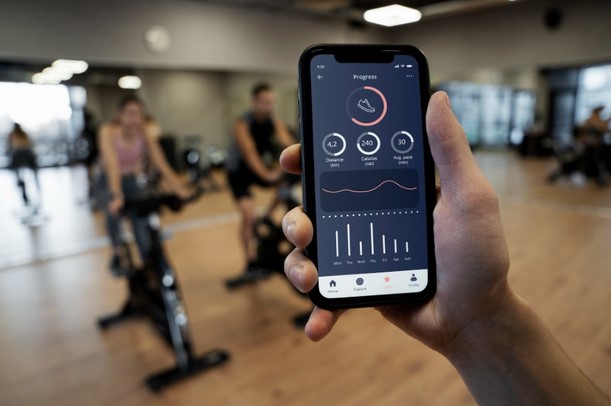
  • Tracking and Progress Monitoring: One of the most significant advantages of fitness apps is the ability to track your workouts, calories burned, and progress over time. Whether you’re logging your runs or tracking your reps, having a visual representation of your improvement can keep you motivated and on track.
  • Community and Motivation: Many fitness apps incorporate social features, allowing you to connect with friends, participate in challenges, or even join virtual workout groups. This sense of community can boost motivation and make exercise more enjoyable.

Top Fitness Apps to Boost Your Workouts

If you’re looking to elevate your workouts and take your fitness routine to the next level, these top fitness apps are perfect tools to help you achieve your goals.

1. MyFitnessPal

MyFitnessPal is one of the most popular fitness apps on the market, known primarily for its exceptional tracking capabilities, including food and exercise logging. Though it’s best known for its nutrition tracking, MyFitnessPal also integrates seamlessly with many fitness devices and apps, allowing you to track workouts and progress.

  • Key Features:
    • Extensive food database for easy calorie and nutrient tracking.
    • Integration with over 50 fitness apps and devices, such as Fitbit and Apple Health.
    • Personalized fitness goals based on your weight, activity level, and desired outcome.
    • Daily exercise and calorie expenditure tracking.
  • Why It’s Great: MyFitnessPal is excellent for those looking to combine fitness tracking with nutrition. It can be particularly useful for those looking to manage their weight, track calories, or follow a specific diet plan. It’s also user-friendly, making it easy for beginners and advanced users alike.

2. Nike Training Club

Nike Training Club (NTC) offers a comprehensive range of free workout plans, from strength training and yoga to HIIT (High-Intensity Interval Training) and endurance exercises. Whether you have 15 minutes or 45 minutes, NTC can provide the right workout for your time and fitness level.

  • Key Features:
    • Over 185 free workouts, including beginner to advanced levels.
    • Options for bodyweight exercises or workouts using minimal equipment.
    • Focus on mobility, strength, and recovery.
    • Expert tips from Nike trainers and athletes.
  • Why It’s Great: Nike Training Club is great for people looking for a variety of workouts that can be done at home or in the gym. The app is designed with flexibility in mind, offering a range of workout durations and intensity levels. It’s ideal for users who want a high-quality, free fitness app with a professional approach to fitness training.

3. Strava

Strava is widely used by runners, cyclists, and outdoor enthusiasts. If you enjoy outdoor activities like running, cycling, or hiking, Strava is a fantastic fitness app that allows you to track your routes, performance, and improvements over time. It’s especially popular in the endurance sports community for its detailed tracking and competitive elements.

  • Key Features:
    • GPS tracking for running, cycling, and hiking.
    • Real-time performance data (pace, speed, distance, elevation gain).
    • Social features, including the ability to follow friends and share workouts.
    • Challenges and virtual competitions to keep you motivated.
  • Why It’s Great: Strava is perfect for outdoor athletes looking to track their performance and engage with a community of like-minded individuals. Whether you’re training for a race or simply trying to improve your fitness, Strava offers advanced features that keep you focused and motivated to push your limits.

4. Fitbit

Fitbit is synonymous with wearable fitness trackers, but its mobile app offers much more than just activity tracking. The Fitbit app helps users track everything from steps and heart rate to sleep quality and calories burned. The app syncs with Fitbit devices to provide a holistic view of your health and fitness.

  • Key Features:
    • Step tracking, heart rate monitoring, and calorie burn analysis.
    • Sleep tracking and personalized sleep insights.
    • Integration with other fitness apps like MyFitnessPal and Strava.
    • Guided workout sessions and health reports.
  • Why It’s Great: Fitbit is ideal for those looking to track their daily activities and make small improvements in their overall health. The app is user-friendly and provides a comprehensive view of your fitness journey, especially when paired with a Fitbit device. It’s a great choice for people who want an all-in-one app for health and fitness monitoring.

5. Headspace

While not a traditional fitness app, Headspace has become one of the leading mindfulness and meditation apps, which are essential components of a balanced fitness routine. The app helps improve mental wellness, reduce stress, and improve focus—all of which are critical for performance during physical exercise.

  • Key Features:
    • Guided meditations and mindfulness exercises.
    • Stress-relief techniques to improve focus and concentration.
    • Sleep aids to help with recovery and rest.
    • Special workout meditations for athletes.
  • Why It’s Great: Headspace is a great supplement to your fitness routine, especially if you’re looking to enhance mental clarity and focus. Whether you’re preparing for a big workout or recovering from one, incorporating mindfulness into your routine can lead to improved overall well-being and performance.

Integrating Fitness Apps into Your Workout Routine

Incorporating fitness apps into your workout routine can help you stay motivated, track progress, and continually challenge yourself. Here are some tips for integrating these apps into your fitness journey:

  • Set Clear Goals: Before starting, set specific fitness goals (e.g., losing weight, improving endurance, or increasing strength) so that you can choose the right app and workout plan to meet those objectives.
  • Consistency is Key: Consistently using fitness apps and tracking your progress helps you stay on track and identify areas for improvement. Many apps allow you to set reminders to ensure you’re sticking to your routine.
  • Mix and Match: Use a combination of fitness apps to address different aspects of fitness. For example, combine a workout app like Nike Training Club with a mindfulness app like Headspace for a holistic approach.

In conclusion, fitness apps are a powerful tool for anyone looking to enhance their workout routine, whether you’re a beginner or a seasoned athlete. From workout plans and nutrition tracking to sleep and mindfulness support, the right app can help you reach your fitness goals faster and more efficiently. Apps like MyFitnessPal, Nike Training Club, Strava, Fitbit, and Headspace offer unique features that cater to different fitness needs, ensuring that everyone can find the perfect app to suit their personal fitness journey. By leveraging the power of these apps, you can supercharge your workout routine and take your fitness to the next level.

The Best Depression Screening Tools for Early Intervention

Source:https://bedrockrecoverycenter.com

Depression is a common mental health condition that affects millions of people worldwide, often going undiagnosed until it severely impacts a person’s quality of life. Early intervention can significantly improve outcomes, making it essential for both individuals and healthcare providers to utilize effective depression screening tools to identify the condition at its earliest stages. These tools help in recognizing the signs of depression before they escalate, providing a vital opportunity for timely support and treatment. In this article, we will explore some of the best depression screening tools available for early intervention, focusing on their effectiveness, ease of use, and accessibility.

Why Depression Screening Is Crucial for Early Intervention

Depression often manifests in subtle or overlooked ways, such as persistent feelings of sadness, fatigue, or irritability. People may dismiss these symptoms as normal stress or sadness, especially in the context of busy and demanding lives. However, untreated depression can lead to severe consequences, including impaired functioning at work or school, social isolation, and even suicide.

Screening for depression is a critical step in early intervention, as it helps identify individuals who may need further evaluation and support. Early diagnosis and intervention not only improve the quality of life for individuals affected by depression but also reduce the long-term costs associated with untreated mental health conditions. Depression screening tools are used by healthcare professionals, counselors, and even in some educational or workplace settings to screen for depression and connect people with appropriate resources.

Types of Depression Screening Tools

There are several types of depression screening tools that vary in terms of format, length, and the level of detail they provide. Some are designed for quick assessments, while others offer more comprehensive evaluations. Here are some of the most widely used and reliable depression screening tools:

1. Patient Health Questionnaire-9 (PHQ-9)

The Patient Health Questionnaire-9 (PHQ-9) is one of the most popular and effective depression screening tools used by healthcare professionals worldwide. It is a brief, self-administered questionnaire that assesses the severity of depression symptoms over the past two weeks.

  • How It Works: The PHQ-9 consists of 9 questions based on the diagnostic criteria for depression as outlined by the Diagnostic and Statistical Manual of Mental Disorders (DSM-5). Each question asks about the frequency of symptoms such as low mood, lack of interest in activities, trouble sleeping, and thoughts of self-harm. Responses are rated on a scale from 0 to 3 (not at all to nearly every day), with higher scores indicating more severe symptoms.
  • Why It’s Effective: The PHQ-9 has been validated in various populations and settings, making it one of the most widely used depression screening tools. It is quick, easy to administer, and provides a clear picture of symptom severity. It can also help track changes in symptoms over time, making it a useful tool for both initial screening and ongoing monitoring.
  • Limitations: While the PHQ-9 is highly effective at identifying depression symptoms, it may not capture all the nuances of more complex or atypical cases of depression. A follow-up evaluation is often necessary to confirm a diagnosis.

2. Beck Depression Inventory (BDI)

The Beck Depression Inventory (BDI) is another well-known tool used to assess the presence and severity of depression symptoms. It was developed by psychiatrist Aaron Beck and is widely used in both clinical and research settings.

  • How It Works: The BDI consists of 21 multiple-choice questions that evaluate symptoms such as sadness, pessimism, loss of pleasure, and changes in behavior. Each question has four possible answers that reflect varying levels of symptom severity. Responses are scored, and a total score is calculated to assess the severity of depression, ranging from minimal to severe.
  • Why It’s Effective: The BDI is comprehensive and offers a more detailed assessment of depression compared to the PHQ-9. It has been validated for use in both adults and adolescents, and research has shown it to be reliable for assessing symptom severity and guiding treatment.
  • Limitations: The BDI can be more time-consuming than other tools, making it less practical for initial screenings in busy settings. It also requires the individual to have a certain level of self-awareness to accurately assess their symptoms, which can be challenging for those with severe depression.

3. Edinburgh Postnatal Depression Scale (EPDS)

The Edinburgh Postnatal Depression Scale (EPDS) is a specialized screening tool designed to assess depression in women during pregnancy and the postpartum period. Postpartum depression (PPD) is a significant mental health issue that can affect new mothers and impact their ability to care for themselves and their child.

  • How It Works: The EPDS consists of 10 questions related to mood, guilt, anxiety, and sleep, with a focus on symptoms specific to the postpartum experience. Each item is scored on a scale from 0 to 3, with higher scores indicating more severe symptoms.
  • Why It’s Effective: The EPDS is specifically tailored to the unique emotional and psychological challenges faced by new mothers. It is quick to administer and can be completed by the mother herself, making it convenient for use in both clinical settings and home visits. It has been widely validated and is one of the most reliable tools for detecting PPD.
  • Limitations: While the EPDS is a valuable tool for identifying postpartum depression, it may not be as effective for identifying depression in other groups, such as men or individuals outside the postpartum period.

4. Zung Self-Rating Depression Scale (SDS)

The Zung Self-Rating Depression Scale (SDS) is a widely used tool that evaluates the severity of depression in patients. It was developed by Dr. William Zung and is commonly used in both clinical and research settings.

  • How It Works: The SDS consists of 20 questions that assess symptoms such as mood, sleep patterns, appetite, and energy levels. Each question has four possible responses, ranging from “none or a little of the time” to “most or all of the time.”
  • Why It’s Effective: The SDS is a well-validated and straightforward tool that helps clinicians assess depression severity in a relatively short amount of time. It is useful for initial screenings and monitoring changes in symptoms over time.
  • Limitations: Like other self-rating scales, the SDS relies on the individual’s ability to assess their own symptoms accurately, which may be difficult for those with severe depression or cognitive impairment.

The Role of Depression Screening Tools in Early Intervention

Effective depression screening tools play a critical role in early intervention. By identifying symptoms early on, these tools enable healthcare providers to initiate appropriate treatment, which can significantly improve outcomes for individuals with depression. Screening tools also help raise awareness about mental health, reducing the stigma surrounding depression and encouraging individuals to seek help.

In addition to professional screenings, self-assessment tools can empower individuals to monitor their mental health and seek help before symptoms worsen. Regular use of these tools, combined with open communication with healthcare providers, can ensure that depression is caught and addressed in its early stages, preventing long-term negative impacts on individuals’ lives.

In conclusion, depression screening tools are vital resources for early intervention, helping to identify depression at its earliest stages and provide the necessary support and treatment. Tools like the PHQ-9, BDI, EPDS, and Zung SDS are widely used in clinical settings to assess the severity of symptoms and guide treatment decisions. By utilizing these tools, individuals and healthcare providers can work together to address depression early, preventing its escalation and improving long-term mental health. Early detection and intervention are key to managing depression and ensuring better quality of life for those affected by the condition.

Top Menopause Support Resources to Make the Transition Easier

Source:https://www.menohealth.co.uk

Menopause is a natural phase in every woman’s life, marking the end of menstruation and the ability to conceive. While it’s a universal experience, it’s not always an easy one. The symptoms—ranging from hot flashes and mood swings to sleep disturbances and changes in libido—can make this transition challenging. Fortunately, there are numerous menopause support resources available to help women navigate this time with greater ease and confidence. These resources include professional guidance, community support, and lifestyle strategies that can significantly improve the experience. In this article, we will explore some of the top resources for menopause support to help women manage symptoms and thrive during this life stage.

Understanding Menopause and Its Challenges

Menopause is defined as the point in a woman’s life when her menstrual periods have stopped for 12 consecutive months, typically occurring between the ages of 45 and 55. The transition leading up to menopause, known as perimenopause, can start as early as the mid-30s and may last for several years. During this time, the ovaries gradually produce less estrogen and progesterone, which causes hormonal imbalances that lead to various symptoms.

The symptoms of menopause vary from woman to woman but commonly include:

  • Hot flashes and night sweats: Sudden feelings of heat, often followed by sweating, especially at night.
  • Sleep disturbances: Difficulty falling or staying asleep due to hormonal fluctuations.
  • Mood swings: Increased irritability, anxiety, or depression as a result of changing hormone levels.
  • Memory and concentration issues: Brain fog and difficulty focusing.
  • Vaginal dryness and reduced libido: Changes in sexual health due to a drop in estrogen.

Although menopause is a natural part of aging, these symptoms can interfere with daily life. That’s why menopause support resources are crucial to help manage these changes and improve overall well-being.

Key Menopause Support Resources for Managing Symptoms

There is a wide array of resources designed to support women during menopause. These include medical professionals, online communities, books, and even lifestyle adjustments that can ease the transition. Below are some of the most effective menopause support resources:

1. Healthcare Providers and Specialists

One of the most important resources during menopause is a healthcare provider who specializes in women’s health, such as an obstetrician-gynecologist (OB-GYN) or a menopause specialist. These professionals can offer guidance on managing symptoms and discuss treatment options, including hormone replacement therapy (HRT) and non-hormonal alternatives.

  • Hormone Replacement Therapy (HRT): HRT is often prescribed to alleviate symptoms like hot flashes, vaginal dryness, and mood swings by replenishing the hormones estrogen and progesterone. While effective, HRT is not suitable for everyone, and your doctor will help assess the benefits and risks based on your medical history.
  • Non-Hormonal Medications: If HRT is not recommended, there are other medications such as antidepressants, blood pressure medications, or anti-seizure drugs that can help manage hot flashes or mood swings.
  • Alternative Therapies: Some women explore acupuncture, herbal supplements, or mindfulness techniques. A qualified healthcare provider can guide you toward evidence-based options.

2. Support Groups and Online Communities

Menopause can feel isolating, especially if you feel that others around you don’t understand the physical and emotional changes you’re experiencing. Joining a support group or online community can be invaluable for connecting with others who are going through the same transition.

  • Online Forums and Facebook Groups: Websites like Reddit, HealthUnlocked, and Facebook offer private or public groups for women in menopause. These communities provide a safe space to share experiences, ask questions, and get advice from others who understand what you’re going through.
  • In-Person Support Groups: Many local healthcare centers or community organizations host in-person menopause support groups. These groups offer a space to share personal experiences and receive emotional support from peers. Check with your local women’s health clinics, libraries, or wellness centers for options.

Support groups can offer both emotional support and practical advice, making them a great resource for women dealing with the emotional and physical impacts of menopause.

3. Educational Websites and Apps

A wealth of online resources exists for educating women about menopause, including symptom management, wellness tips, and the latest research on treatments. Reliable websites and apps are great tools to stay informed and empowered during this time.

  • The North American Menopause Society (NAMS): NAMS is one of the most trusted organizations dedicated to promoting knowledge, study, and care of women’s health during midlife and beyond. Their website offers a wealth of resources, including symptom management guides, educational webinars, and a directory of qualified menopause specialists.
  • WebMD and Mayo Clinic: Both of these well-known health websites have dedicated sections on menopause, offering comprehensive articles on symptoms, treatments, and lifestyle adjustments. They also provide expert opinions from healthcare professionals, making them great resources for general information.
  • Apps like “Clue” and “Ovia”: These apps allow women to track their menstrual cycles, symptoms, and changes related to perimenopause and menopause. Tracking can help you understand patterns in your symptoms, so you can discuss them more effectively with your healthcare provider.

By accessing credible, educational websites and using tracking apps, women can gain better insight into their health and make informed decisions about managing menopause.

Lifestyle Changes and Practices for a Smooth Transition

In addition to medical treatments and professional guidance, adopting certain lifestyle changes can significantly improve menopause symptoms and promote overall health.

1. Exercise Regularly

Physical activity is one of the best natural ways to manage menopause symptoms. Exercise helps reduce hot flashes, improves mood, supports heart health, and reduces the risk of osteoporosis—an increased concern after menopause due to declining estrogen levels.

  • Aerobic Exercise: Activities such as walking, jogging, or cycling can improve cardiovascular health and regulate weight gain, which can be a common concern during menopause.
  • Strength Training: Weight-bearing exercises help maintain bone density and muscle mass, which can decrease with age and hormone changes.
  • Yoga and Stretching: These practices reduce stress, improve flexibility, and promote better sleep, helping to alleviate common menopause symptoms like anxiety and sleep disturbances.

2. Eat a Balanced Diet

Eating a diet rich in fruits, vegetables, whole grains, and healthy fats can help balance hormones and improve overall health. Specific nutrients like calcium, magnesium, and vitamin D are essential for bone health, while omega-3 fatty acids can help manage mood swings and inflammation.

  • Phytoestrogens: Foods like soy, flaxseeds, and legumes contain plant-based compounds that mimic estrogen and may help reduce symptoms like hot flashes.
  • Limit Caffeine and Alcohol: Both can exacerbate hot flashes and disrupt sleep, so it may help to cut back during menopause.

3. Practice Stress-Relief Techniques

Stress can worsen many menopause symptoms, particularly mood swings and sleep disturbances. Regular mindfulness practices, deep breathing exercises, meditation, and even engaging in hobbies can help keep stress levels in check.

In conclusion, managing menopause can be challenging, but with the right menopause support resources, you can navigate this phase with greater ease. Healthcare professionals, support groups, educational websites, and lifestyle changes can all play a pivotal role in alleviating symptoms and improving overall health. By educating yourself, reaching out for support, and making mindful lifestyle choices, you can empower yourself to manage this transition and live a healthier, more balanced life. Remember, menopause is a natural part of aging, and with the right resources, you can approach it with confidence and vitality.

How to Create the Perfect Ergonomic Workstation for Maximum Comfort

Source:https://www.mount-it.com

In today’s world, many people spend hours at their desks, whether for work, study, or personal projects. As we spend more time seated and engaged with digital devices, it becomes increasingly important to consider the setup of our ergonomic workstations. An ergonomic workstation is designed to minimize strain on your body, prevent discomfort, and improve posture, which can have a significant impact on productivity and overall well-being. The goal is to create a workspace that supports your natural body mechanics, helping you stay comfortable throughout the day. In this article, we will guide you through the essential elements of an ergonomic workstation to ensure maximum comfort and efficiency.

The Importance of Ergonomics in the Workplace

Ergonomics is the science of designing work environments to fit the capabilities and limitations of the people using them. When it comes to ergonomic workstations, the focus is on creating setups that support healthy posture, reduce repetitive strain, and optimize comfort to prevent musculoskeletal problems like back pain, carpal tunnel syndrome, or neck strain.

A well-designed ergonomic workstation not only helps prevent injuries but also boosts productivity by allowing you to work more efficiently without discomfort or distractions. Poor ergonomics, on the other hand, can lead to chronic pain, fatigue, and even long-term health issues. Whether you’re working in an office, home office, or remote setup, taking the time to create an ergonomic workstation is a smart investment in your health and comfort.

Key Components of an Ergonomic Workstation

Creating an ergonomic workstation involves more than just choosing the right desk or chair. It requires careful attention to the arrangement of several key components. Here’s a breakdown of the most important elements to consider when setting up your workstation:

1. Choosing the Right Chair

Your chair plays a critical role in supporting your posture throughout the day. An ergonomic chair should promote a neutral spine position, provide lumbar support, and allow you to adjust the height to suit your body.

  • Seat Height: Your feet should rest flat on the floor, with your knees approximately at a 90-degree angle. If your feet don’t touch the floor, use a footrest to keep your posture neutral.
  • Lumbar Support: The chair should have built-in lumbar support to maintain the natural curve of your lower back. You can adjust the lumbar support based on your height and comfort preferences.
  • Armrests: Adjustable armrests can help reduce strain on your shoulders and wrists. Ensure that your arms are at a 90-degree angle when resting on the armrests, and your shoulders are relaxed.
  • Seat Depth: There should be a small gap between the edge of the seat and the back of your knees to avoid pressure on the thighs. The seat should be deep enough to support your hips but not so deep that it restricts blood flow.

2. Desk Setup and Monitor Placement

The desk itself should be spacious enough to hold all of your equipment and allow for easy organization of your workspace. The height and layout of the desk, along with proper monitor placement, are key factors in ensuring comfort and reducing strain.

  • Desk Height: The desk should be at a height that allows you to rest your forearms comfortably at a 90-degree angle while typing. If your desk is too high or low, it can lead to shoulder and neck discomfort.
  • Monitor Position: Position your monitor directly in front of you, about an arm’s length away. The top of the screen should be at or just below eye level, so you don’t have to strain your neck to view it. You should be able to glance down slightly to see the screen without tilting your head up or down.
  • Keyboard and Mouse Placement: Your keyboard and mouse should be placed at a height where your arms can remain relaxed at your sides with your elbows bent at a 90-degree angle. The mouse should be within easy reach, and ideally, it should be placed at the same level as the keyboard to avoid reaching and straining your shoulder.

3. Proper Lighting and Workspace Organization

Good lighting and workspace organization are often overlooked when setting up an ergonomic workstation, but they are essential for reducing eye strain and maintaining a productive environment.

  • Lighting: Make sure your workspace is well-lit to avoid straining your eyes. Natural light is ideal, but if that’s not available, invest in an adjustable desk lamp with a soft, warm light. Avoid harsh, direct overhead lighting or glare from windows.
  • Monitor Brightness: Adjust your monitor’s brightness and contrast to match your environment. Too much brightness can cause eye strain, while too little can make it hard to read the screen.
  • Workspace Organization: Keep your workspace organized to minimize clutter. Have frequently used items, like your phone, notepad, and pens, within easy reach to avoid unnecessary stretching or twisting. An organized workspace promotes better focus and efficiency.

Additional Tips for Enhancing Comfort and Health

While the key components listed above are essential for setting up a proper ergonomic workstation, there are several other tips you can follow to further enhance your comfort and overall well-being:

1. Take Regular Breaks

Even with the most comfortable setup, staying in one position for long periods can cause stiffness and fatigue. Take regular breaks to stretch, move around, and give your eyes a rest. The 20-20-20 rule is a simple way to reduce eye strain: every 20 minutes, look at something 20 feet away for at least 20 seconds.

2. Incorporate Movement into Your Day

If possible, incorporate movement throughout your workday. Use a standing desk, alternate between sitting and standing, or take short walks during breaks. Regular movement helps improve circulation, reduce muscle stiffness, and prevent discomfort.

3. Adjust for Proper Posture

Good posture is key to reducing strain on your muscles and joints. Sit back in your chair with your back fully supported by the lumbar area. Keep your shoulders relaxed, elbows close to your body, and wrists straight while typing. Avoid slumping or leaning forward, as this can lead to neck and back pain over time.

In conclusion, creating the perfect ergonomic workstation is essential for promoting maximum comfort and long-term health. By considering factors such as chair design, desk height, monitor placement, and proper lighting, you can significantly reduce physical strain and improve your productivity. Incorporating movement into your daily routine, taking regular breaks, and maintaining good posture are also key elements for ensuring comfort throughout the workday. An ergonomic workstation isn’t just about improving comfort—it’s about safeguarding your health and well-being. By investing in the right equipment and making small adjustments, you can create an environment that supports your body, enhances focus, and helps you work efficiently without discomfort.

Natural Ways to Manage Hypertension and Improve Heart Health

Source:https://www.bhf.org.uk

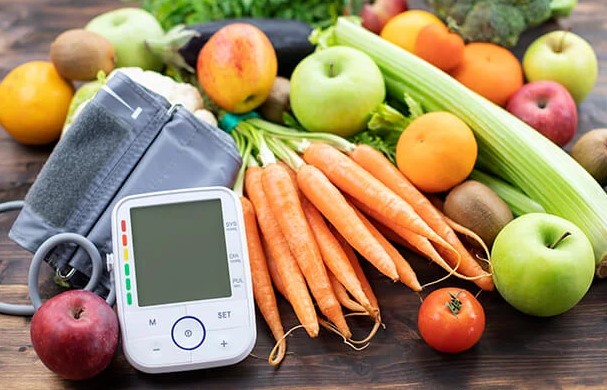
Hypertension, or high blood pressure, affects millions of people worldwide and is a leading risk factor for cardiovascular diseases such as heart attack, stroke, and kidney disease. Managing hypertension effectively is crucial for long-term health, and while medication can be an essential part of treatment, many people are turning to managing hypertension naturally through lifestyle changes, diet, and stress-reduction techniques. These natural approaches can complement traditional treatments and help improve heart health, reduce blood pressure, and minimize the risk of heart-related complications. In this article, we will explore several natural strategies to help you manage hypertension and promote heart health.

Understanding Hypertension and Its Impact on Health

Hypertension occurs when the force of blood against the walls of your arteries is consistently too high. Over time, this extra pressure can damage blood vessels, making the heart work harder and increasing the risk of severe health problems. Blood pressure is measured in millimeters of mercury (mmHg), with normal levels being around 120/80 mmHg. A reading of 130/80 mmHg or higher is generally considered high blood pressure.

There are two types of hypertension: primary and secondary. Primary hypertension develops over time and is often influenced by lifestyle factors like poor diet, lack of exercise, and high levels of stress. Secondary hypertension, on the other hand, is caused by an underlying condition such as kidney disease or hormonal disorders. Regardless of the cause, high blood pressure requires attention to reduce the risk of serious complications.

While medication prescribed by a doctor is often necessary to control blood pressure, managing hypertension naturally through dietary changes, physical activity, and stress management techniques can enhance the effectiveness of treatment and promote better overall heart health.

Natural Ways to Manage Hypertension

Managing hypertension naturally involves adopting healthy habits that support the cardiovascular system and promote proper blood circulation. Below are some effective natural methods for reducing high blood pressure and improving heart health:

1. Adopt a Heart-Healthy Diet

Diet plays a critical role in managing hypertension and improving heart health. Certain foods can help reduce blood pressure by providing essential nutrients, improving blood vessel function, and lowering cholesterol. Here are some dietary strategies for managing hypertension naturally:

  • Increase Potassium-Rich Foods: Potassium helps balance the effects of sodium in the body, which is crucial for managing blood pressure. Foods high in potassium include bananas, spinach, sweet potatoes, avocados, and oranges.
  • Reduce Sodium Intake: Excess sodium contributes to high blood pressure by causing the body to retain water, increasing the pressure on blood vessels. To reduce sodium intake, limit processed foods, canned soups, and fast food, all of which are high in salt. Aim to consume no more than 2,300 milligrams of sodium per day (ideally around 1,500 mg for optimal heart health).
  • Adopt the DASH Diet: The Dietary Approaches to Stop Hypertension (DASH) diet focuses on fruits, vegetables, whole grains, lean proteins, and low-fat dairy. It encourages reducing the intake of sodium, added sugars, and unhealthy fats. Studies show that the DASH diet can lower blood pressure by up to 11 mmHg in people with hypertension.
  • Omega-3 Fatty Acids: Omega-3s, found in fatty fish like salmon, sardines, and mackerel, have anti-inflammatory properties and can help lower blood pressure. They are also beneficial for reducing the risk of arrhythmias and improving overall heart health.

2. Incorporate Regular Physical Activity

Exercise is one of the most effective natural methods for managing hypertension naturally. Regular physical activity can lower blood pressure, improve circulation, and enhance heart function. Some of the best types of exercise for lowering blood pressure include:

  • Aerobic Exercise: Activities like walking, jogging, swimming, and cycling can significantly lower blood pressure by improving cardiovascular fitness. Aim for at least 150 minutes of moderate aerobic exercise or 75 minutes of vigorous exercise per week.
  • Strength Training: Building muscle through resistance exercises can help improve heart health and lower blood pressure over time. Try incorporating strength training exercises two to three times a week using bodyweight exercises (push-ups, squats) or weights.
  • Yoga and Tai Chi: Both yoga and Tai Chi are effective for stress reduction, which can help lower blood pressure. These mind-body practices involve deep breathing and gentle movement, which can reduce muscle tension, promote relaxation, and lower the body’s stress response.

Exercise helps improve the efficiency of the heart, regulate blood flow, and support the body’s ability to process and eliminate excess sodium. For best results, aim to combine aerobic and strength-training exercises to optimize cardiovascular health.

3. Manage Stress and Get Enough Sleep

Chronic stress and poor sleep quality are closely linked to hypertension and poor heart health. Prolonged stress leads to the release of hormones like cortisol, which can constrict blood vessels and raise blood pressure. Likewise, insufficient sleep can interfere with the body’s ability to regulate blood pressure and increase the risk of hypertension.

To manage stress and improve sleep, consider the following techniques:

  • Practice Mindfulness and Meditation: Regular mindfulness practices, such as meditation or deep-breathing exercises, can reduce stress and improve relaxation. Studies have shown that meditation can help lower blood pressure by improving blood vessel function and reducing the body’s stress response.
  • Get 7-9 Hours of Sleep: Aim for adequate, restful sleep each night to support healthy blood pressure regulation. Poor sleep can elevate blood pressure, while good quality sleep helps regulate the autonomic nervous system and reduces the effects of stress.
  • Take Time for Relaxation: Engage in activities that help you unwind and relax, such as reading, listening to music, or spending time in nature. Taking regular breaks from work or other stressful situations can have a significant impact on your overall well-being and heart health.

By reducing stress and improving sleep, you can enhance your body’s ability to maintain a healthy blood pressure level and promote long-term cardiovascular health.

Additional Lifestyle Changes to Improve Heart Health

In addition to diet, exercise, and stress management, there are other lifestyle changes you can make to further improve heart health and reduce the risk of hypertension:

  • Quit Smoking: Smoking raises blood pressure and increases the risk of heart disease. Quitting smoking is one of the most important steps you can take to improve your heart health.
  • Limit Alcohol Intake: Excessive alcohol consumption can raise blood pressure. Aim to limit alcohol to moderate levels—one drink per day for women and up to two drinks per day for men.
  • Maintain a Healthy Weight: Carrying excess weight increases the strain on your heart and can contribute to high blood pressure. Achieving and maintaining a healthy weight through a combination of diet and exercise can help manage hypertension naturally and improve overall heart health.

In conclusion, managing hypertension naturally through lifestyle changes such as adopting a heart-healthy diet, engaging in regular physical activity, and practicing stress management techniques can significantly improve blood pressure and support long-term cardiovascular health. By making these natural changes, you can not only lower your blood pressure but also enhance your overall quality of life. While medication may still be necessary for some individuals, incorporating these natural strategies into your routine can complement traditional treatments and promote a healthier, longer life. Always consult with a healthcare provider before making significant changes to your lifestyle, especially if you are already managing hypertension or other medical conditions.

Unlock the Secrets of Longevity with Intermittent Fasting

Source:https://cdn.abcotvs.com

In recent years, the practice of intermittent fasting for longevity has garnered significant attention from health enthusiasts, scientists, and wellness advocates alike. As we continue to search for ways to extend our lifespan and improve the quality of our years, intermittent fasting has emerged as a powerful tool to help optimize health and delay the aging process. By cycling between periods of eating and fasting, intermittent fasting is believed to trigger a variety of biological processes that can enhance cellular repair, improve metabolic health, and even reduce the risk of chronic diseases. In this article, we will explore the science behind intermittent fasting, how it can contribute to longevity, and the different methods you can incorporate into your daily routine to unlock its potential benefits.

Understanding Intermittent Fasting and Its Benefits

Intermittent fasting is not so much a diet but a pattern of eating. It involves alternating between periods of eating and fasting, with the most common methods being the 16:8 (16 hours of fasting followed by an 8-hour eating window), the 5:2 method (eating normally five days a week and restricting calories for two non-consecutive days), and alternate-day fasting. During fasting periods, no calories are consumed, although water, tea, or black coffee are usually permitted.

The concept of intermittent fasting is grounded in the way our bodies evolved. Historically, our ancestors didn’t have constant access to food, and their bodies were built to adapt to cycles of feast and famine. In modern society, however, we have abundant access to food, which leads to constant eating and often poor food choices, contributing to chronic diseases like obesity, diabetes, and heart disease. Intermittent fasting offers a return to a more natural, ancestral eating pattern that can help regulate metabolism, balance hormones, and promote healthy aging.

Cellular Repair and Autophagy

One of the most significant benefits of intermittent fasting is its ability to trigger a process known as autophagy. Autophagy is the body’s way of cleaning out damaged cells, clearing out toxins, and recycling components for repair. This process is vital for maintaining cellular health and reducing the accumulation of damaged cells, which can contribute to aging and diseases like cancer.

When you fast, your body shifts from using glucose for energy to using stored fat, and this metabolic switch activates autophagy. Research suggests that prolonged periods of fasting can enhance this process, potentially reducing the risk of age-related diseases, improving skin health, and slowing down the aging process.

Insulin Sensitivity and Metabolic Health

Another key benefit of intermittent fasting for longevity is its positive effect on insulin sensitivity. Insulin is a hormone that helps regulate blood sugar levels. Chronic overproduction of insulin, often due to poor diet and excess calorie consumption, can lead to insulin resistance, a condition that increases the risk of developing type 2 diabetes, obesity, and heart disease.

By incorporating fasting periods into your routine, insulin levels decrease, allowing your body to use glucose more effectively and improving your insulin sensitivity. Studies have shown that intermittent fasting can reduce the risk of type 2 diabetes, improve fat metabolism, and support weight loss—all of which are essential factors in promoting long-term health and longevity.

Reduced Inflammation and Oxidative Stress

Inflammation and oxidative stress are two primary contributors to aging and the development of chronic diseases. Inflammation is a natural immune response, but when it becomes chronic, it can damage tissues and lead to conditions such as arthritis, heart disease, and neurodegenerative diseases. Oxidative stress, caused by an imbalance between free radicals and antioxidants, can accelerate aging and contribute to cell damage.

Intermittent fasting has been shown to reduce inflammation and oxidative stress by promoting a balance between the body’s natural antioxidants and harmful free radicals. The reduction in these damaging factors plays a significant role in slowing down the aging process and decreasing the risk of developing age-related illnesses.

How to Incorporate Intermittent Fasting into Your Lifestyle

While intermittent fasting can be an effective tool for promoting longevity, it’s important to approach it in a way that aligns with your lifestyle and health goals. Here are some practical tips on how to incorporate intermittent fasting into your routine:

1. Choose a Fasting Schedule That Works for You

The most common intermittent fasting methods are:

  • 16:8 Method: Fast for 16 hours, eating all your meals within an 8-hour window. For example, if you finish dinner at 7 p.m., you won’t eat again until 11 a.m. the next day.
  • 5:2 Method: Eat normally for five days of the week, and restrict calorie intake (about 500-600 calories) on two non-consecutive days.
  • Alternate-Day Fasting: Fast every other day, alternating between fasting and eating days.

The key is to choose a fasting pattern that feels sustainable and doesn’t disrupt your daily life too much. Start slowly and experiment to find what works best for your body.

2. Stay Hydrated During Fasting Periods

It’s important to stay hydrated during fasting periods. While fasting, drinking water, herbal teas, or black coffee (without sugar or cream) can help curb hunger and keep your body functioning properly. Staying hydrated also supports detoxification and helps with digestion and metabolism.

3. Focus on Nutrient-Dense Foods During Eating Windows

While fasting may reduce the overall amount of food you consume, it’s essential to prioritize nutrient-dense, whole foods during eating windows. Choose foods that provide a balance of healthy fats, lean proteins, and complex carbohydrates, such as vegetables, fruits, whole grains, nuts, seeds, and lean meats. A well-balanced diet will help ensure you’re getting the necessary nutrients your body needs to function optimally and recover during fasting periods.

4. Listen to Your Body

Intermittent fasting isn’t for everyone. If you have a medical condition or are pregnant, breastfeeding, or underweight, you should consult with a healthcare professional before starting any fasting regimen. It’s also important to listen to your body. If you experience excessive fatigue, dizziness, or other signs of distress, it may be worth adjusting your fasting plan or trying a different approach.

In conclusion, intermittent fasting for longevity offers a scientifically backed approach to improving metabolic health, reducing the risk of chronic diseases, and promoting cellular repair. By implementing intermittent fasting into your lifestyle, you can take advantage of its powerful health benefits, such as enhanced autophagy, improved insulin sensitivity, and reduced inflammation, all of which contribute to healthy aging and longevity. Remember that intermittent fasting is just one tool in the broader picture of a healthy lifestyle, and it should be combined with a balanced diet, regular exercise, and adequate sleep. With the right approach and consistency, intermittent fasting can help you unlock the secrets to a longer, healthier life.