
Caloric Restriction Benefits: How Reducing Calories Can Extend Your Lifespan

Source:https://www.news-medical.net

Picture this: you are sitting at your dining table, staring at a plate that holds about 20% less food than you are used to eating. Your initial instinct might be mild annoyance or a nagging worry that you will be raiding the pantry by midnight. But inside your cells, something extraordinary begins to happen the moment that slight calorie deficit takes hold.

Over my decade as a health writer—working closely with clinical nutritionists, diving into longevity research, and running my own fair share of dietary experiments—I have noticed a striking pattern. Most people treat food as fuel for immediate energy or a tool for short-term aesthetic changes. Rarely do we look at our dinner plate as a remote control for our biological aging process.

The truth is, learning how to leverage caloric restriction benefits isn’t about starvation or punishing your body. It is one of the most thoroughly researched, scientifically validated strategies we have for slowing down the biological clock and extending human healthspan.

What Is Caloric Restriction (And What It Isn’t)

When people hear the term “caloric restriction,” they often picture extreme, miserable diets. Let’s clear that up right away.

In scientific literature, caloric restriction (CR) refers to reducing your average daily calorie intake below what is typical—usually by 10% to 30%—without depriving your body of essential vitamins, minerals, and nutrients. It is nutrient-dense underfeeding, not malnutrition.

Think of your body like a high-performance sports car. If you constantly run the engine at maximum output, pressing the gas pedal to the floor with constant heavy meals, the parts wear out faster. Caloric restriction acts like a gentle, preventive maintenance protocol. It dials back the revs, allowing the mechanic inside your cells to repair engine components before they break down entirely.

Key Terms You Should Know

  • Healthspan: The period of your life spent in good health, free from chronic disease, as opposed to just total years lived (lifespan).

  • Biological Age: How old your cells and tissues actually perform, which can be significantly lower than your chronological age.

3 Cellular Breakthroughs: How Eating Less Delays Aging

During my early years covering metabolic health, I used to think the benefits of eating less were simply tied to weight loss. But as I spent time reviewing clinical trials and talking to longevity researchers, I realized weight loss is just a pleasant side effect.

The real magic happens deep within your cellular architecture.

       [ Moderate Caloric Deficit ]
                    │
      ┌─────────────┼─────────────┐
      ▼             ▼             ▼
  Autophagy     AMPK Up      mTOR Down
(Cell Repair)  (Energy Control) (Slows Aging)

1. The Cellular Housecleaning Process (Autophagy)

When nutrients are constantly flooding your system, your cells stay in “growth mode.” They ignore the clutter accumulating inside them.

However, when you introduce a mild calorie shortage, your body triggers a process called autophagy (literally meaning “self-eating”). Your cells begin recycling damaged proteins, worn-out mitochondria, and cellular debris. It is the ultimate internal deep-cleaning routine, preventing the buildup of toxic junk associated with age-related diseases.

2. Turning Down the Growth Switch (mTOR Suppression)

There is an nutrient-sensing pathway in your body called mTOR (mechanistic target of rapamycin). When you eat protein and carbohydrates constantly, mTOR signals your cells to build, divide, and grow.

While growth is vital when you are young, relentless cellular proliferation in adulthood accelerates aging and increases disease risk. Downregulating mTOR through caloric restriction signals your cells to switch from “construction mode” to “protection and repair mode.”

3. Activating Your Longevity Genes (Sirtuins & AMPK)

Caloric restriction naturally activates AMPK (an energy sensor that triggers fat burning) and sirtuins (enzymes heavily involved in DNA repair and inflammation control). Together, these pathways improve insulin sensitivity, lower systemic inflammation, and optimize mitochondrial function.

The Proven Benefits: Why Longevity Experts Pay Attention

The evidence supporting caloric restriction benefits stretches across decades of research, from simple yeast models to primates and human clinical trials like the CALERIE (Comprehensive Assessment of Long-term Effects of Reducing Intake of Energy) study.

  • Extended Healthspan: Studies show consistent reductions in caloric intake can lower risk markers for cardiovascular disease, type 2 diabetes, and age-related cognitive decline.

  • Reduced Systemic Inflammation: High-calorie diets often keep the immune system on high alert. Reducing calories calms systemic inflammatory cascades.

  • Improved Metabolic Flexibility: Your body becomes far more efficient at switching between burning carbohydrates and utilizing body fat for fuel.

  • Enhanced Mitochondrial Quality: Rather than having millions of sluggish energy factories, your body produces leaner, more efficient mitochondria.

Pro Tips: How to Practice Safe Caloric Reduction

Transitioning to a lower-calorie lifestyle shouldn’t feel like jumping into an ice bath. Over the years, I’ve watched many well-meaning beginners crash and burn because they cut their intake too drastically, ruining their metabolic health and hormones in the process.

Pro Tip: Focus on Volume and Nutrient Density First

Do not start by cutting down food volume. Instead, swap energy-dense, processed foods for high-volume, low-calorie whole foods. A massive bowl of leafy greens, cruciferous vegetables, and lean protein satisfies mechanical stretch receptors in your stomach while keeping overall calories low.

Here is a practical, step-by-step roadmap to get started safely:

  1. Calculate Your Baseline: Spend one week tracking your normal food intake without changing anything. You cannot intelligently cut calories until you know your real baseline.

  2. Aim for a Modest 10-15% Reductions: If your baseline maintenance is 2,200 calories, aim for roughly 1,900 calories. This small adjustment is enough to stimulate longevity pathways without spiking stress hormones.

  3. Prioritize Protein: Keep your protein intake high (around 1.2 to 1.6 grams per kilogram of body weight) to preserve lean muscle tissue while reducing total calories.

  4. Incorporate Time-Restricted Feeding: If counting every calorie stresses you out, limiting your eating window to 8-10 hours a day naturally reduces caloric intake while giving your digestive system a prolonged rest.

Hidden Warnings: Who Should Avoid Caloric Restriction?

In the health space, we often get so excited about longevity tools that we forget context matters. Caloric restriction is a stressor—a beneficial one (known as hormesis), but a stressor nonetheless.

  • Pregnant or Nursing Women: Your body requires an energy surplus to support life growth.

  • Individuals with a History of Eating Disorders: Strict calorie tracking can trigger unhealthy psychological patterns.

  • Athletes in Heavy Training Phases: High training volumes demand adequate fuel for recovery and endocrine function.

  • Underweight Individuals or Seniors over 70: In older populations, muscle loss (sarcopenia) and frailty pose a higher risk to longevity than slight calorie overconsumption.

Always pay close attention to your body’s feedback loop. Persistent fatigue, hair thinning, loss of libido, or chronic cold hands are clear signs that your caloric intake is too low for your current lifestyle.

Finding Your Sustainable Rhythm

Extending your lifespan shouldn’t come at the cost of enjoying your daily life. The goal of harnessing caloric restriction benefits is to give you more vibrant, high-energy years—not to make every meal feel like a chore.

Start small. Swap out processed snacks, focus on whole foods, and give your body brief periods of rest from constant digestion. Small, consistent shifts in how you nourish yourself today pay exponential dividends for your future biological self.
Telomere Health: The Role of Telomeres in Aging and Longevity

Source:https://domf5oio6qrcr.cloudfront.net

Imagine looking at a photograph of yourself from ten years ago. You might notice a few fewer gray hairs or slightly smoother skin. But beneath the surface, a much more profound countdown has been ticking away inside your cells.

In my ten years of working as a health writer and collaborating with anti-aging researchers, I’ve sat with countless clients who ask the same fundamental question: “Is there a master switch for aging?” They point to their wrinkles or their slowing metabolism, thinking that’s where aging lives. But I always tell them what the latest cellular biology confirms: the real story of how we age is written at the very tips of our DNA.

If you want to understand how well you are going to age—and how to live a longer, more vibrant life—you need to understand telomere health.

What Are Telomeres? The Aglets of Your DNA

To understand telomeres, we need to take a quick trip back to high school biology, but I promise there won’t be a quiz.

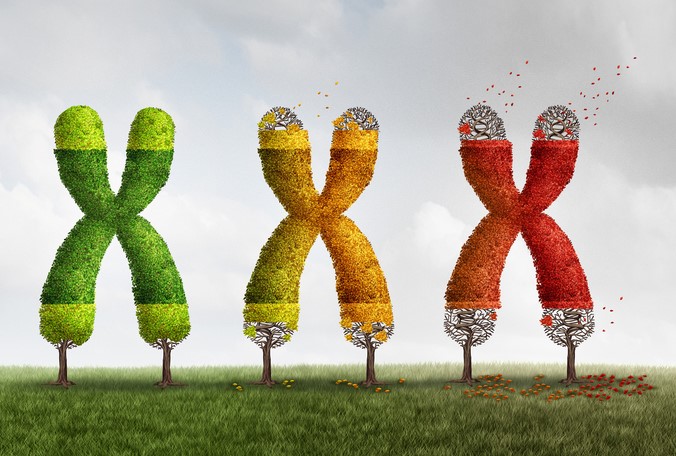
Inside nearly every cell in your body, your DNA is tightly packed into structures called chromosomes. These chromosomes carry all your genetic information. Every time your cells divide to heal a wound, grow hair, or just keep you alive, those chromosomes must be copied perfectly.

The Shoelace Analogy

Here is how I always explain it to my clients: Think of your chromosomes as a pair of shoelaces. If you look at the very ends of a shoelace, you’ll find a small plastic tip called an aglet. That aglet is there for one reason: to keep the shoelace from fraying and unraveling.

Telomeres are the biological aglets of your DNA.

They are repetitive sequences of non-coding DNA ($TTAGGG$) sitting at the ends of your chromosomes. They don’t carry the blueprint for your eye color or your height; their sole job is to shield your vital genetic data from getting damaged during cell division.

Cellular Aging: The Biological Clock is Ticking

Every time a cell divides, a tiny bit of that telomere tip is lost. This is known as the End Replication Problem. Because our cellular machinery cannot copy a strand of DNA all the way to the very end, the telomere gets shorter and shorter with each lifecycle.

The Hayflick Limit

Eventually, after about 50 to 70 divisions, the telomeres become critically short. When they reach this tipping point, the cell hits what scientists call the Hayflick Limit.

Instead of dividing again, the cell enters a state called cellular senescence. It becomes a “zombie cell”—it doesn’t die, but it stops functioning properly and begins secreting inflammatory molecules that damage surrounding tissues. This process is a major driver of biological aging and age-related diseases.

Why Telomere Health Matters for Your Longevity

When we talk about longevity, we have to distinguish between chronological age (the number of birthdays you’ve celebrated) and biological age (how old your cells actually are). Telomere length is one of the most accurate biomarkers we have for biological age.

Longer Telomeres = Vibrant, Functioning Cells = Younger Biological Age
Shorter Telomeres = Senescent "Zombie" Cells = Older Biological Age

During my time analyzing clinical data for wellness clinics, I’ve seen 40-year-olds with the telomere length of a 60-year-old, and vice versa. Shorter telomeres are heavily linked to:

  • Accelerated skin aging and hair loss

  • Cardiovascular decline

  • A weakened immune system (immunosenescence)

  • Higher risks of metabolic syndromes

The good news? Your biological age is not entirely set in stone.

Enter Telomerase: The Cellular Fountain of Youth?

If cells lose telomere length every time they divide, why don’t we run out of telomeres before we are even born? The answer lies in an enzyme called telomerase.

Discovered by Nobel Prize-winning scientists, telomerase is a specialized protein that can actually add DNA back onto the ends of chromosomes, effectively lengthening them.

While telomerase is highly active in our reproductive cells and stem cells, it is mostly switched off in our regular adult body cells (somatic cells). Activating telomerase naturally is the holy grail of modern anti-aging medicine, but it requires a delicate balance.

⚠️ A Hidden Warning from the Lab:

While we want healthy telomeres, overactivating telomerase indiscriminately can be dangerous. Cancer cells are notorious for hijacking telomerase to become “immortal,” allowing tumors to grow unchecked. Therefore, the goal is never to artificially flood the body with unregulated telomerase boosters, but rather to support natural telomere health through lifestyle modifications.

Practical Strategies to Protect and Maintain Telomere Health

You cannot change your genetics, but you have immense control over your epigenetics—how your environment influences your genes. Over the past decade, I have reviewed dozens of studies showing that specific lifestyle shifts can significantly slow down telomere shortening.

1. Master Your Chronic Stress

Chronic psychological stress releases high levels of cortisol and adrenaline. Research pioneered by Dr. Elizabeth Blackburn shows that women under high chronic stress have significantly shorter telomeres—equivalent to roughly 10 years of additional biological aging.

  • Action Step: Incorporate just 10 minutes of daily mindfulness meditation or deep-breathing exercises to lower your nervous system’s stress response.

2. Prioritize High-Quality, Deep Sleep

Your body repairs its DNA while you sleep. A consistent lack of sleep increases oxidative stress, which acts like acid on your telomeres.

  • Action Step: Aim for 7-9 hours of sleep per night. Keep your bedroom entirely dark and cool to maximize melatonin production, which is a powerful natural antioxidant.

3. Move Your Body (But Don’t Overdo It)

Moderate aerobic exercise is one of the most effective ways to boost telomerase activity naturally. Endurance runners and regular fitness enthusiasts consistently show longer telomeres than sedentary individuals.

  • Action Step: Aim for 150 minutes of moderate-intensity exercise (like brisk walking, cycling, or swimming) per week, combined with two days of resistance training.

4. Eat a Telomere-Friendly Diet

Inflammation accelerates telomere decay. A diet rich in antioxidants helps neutralize the free radicals that attack your chromosome tips.

  • Action Step: Base your meals on a Mediterranean-style diet. Load up on leafy greens, berries, wild-caught salmon (for omega-3 fatty acids), and extra virgin olive oil.

Pro Tips for Your Longevity Journey

💡 Pro Tip: Test, Don’t Guess

If you are serious about tracking your cellular aging, you can now order commercial telomere length testing kits (usually using a method called qPCR or TAT). While these tests shouldn’t be treated as absolute medical diagnoses, they can serve as an excellent baseline to see if your current diet and lifestyle choices are working in favor of your biological youth.

Summary: The Power is in Your Hands

Telomeres are not just passive clocks ticking down our lives; they are dynamic structures that respond directly to how we treat our minds and bodies. While we cannot stop time chronologically, we possess the lifestyle tools to protect our cellular aglets, support our telomere health, and extend our healthspan—the period of life spent free from chronic disease.

The small choices you make today—choosing a colorful salad over processed food, going for a walk, or managing your anger—are decoded by your chromosomes as signals to protect your genetic youth.

What is one small change you are going to make today to protect your cellular health? Have you ever considered getting your biological age tested? Let’s spark a conversation in the comments below—I’d love to hear your thoughts and answer your questions!

Unlock the Secrets of Longevity with Intermittent Fasting

Source:https://cdn.abcotvs.com

In recent years, the practice of intermittent fasting for longevity has garnered significant attention from health enthusiasts, scientists, and wellness advocates alike. As we continue to search for ways to extend our lifespan and improve the quality of our years, intermittent fasting has emerged as a powerful tool to help optimize health and delay the aging process. By cycling between periods of eating and fasting, intermittent fasting is believed to trigger a variety of biological processes that can enhance cellular repair, improve metabolic health, and even reduce the risk of chronic diseases. In this article, we will explore the science behind intermittent fasting, how it can contribute to longevity, and the different methods you can incorporate into your daily routine to unlock its potential benefits.

Understanding Intermittent Fasting and Its Benefits

Intermittent fasting is not so much a diet but a pattern of eating. It involves alternating between periods of eating and fasting, with the most common methods being the 16:8 (16 hours of fasting followed by an 8-hour eating window), the 5:2 method (eating normally five days a week and restricting calories for two non-consecutive days), and alternate-day fasting. During fasting periods, no calories are consumed, although water, tea, or black coffee are usually permitted.

The concept of intermittent fasting is grounded in the way our bodies evolved. Historically, our ancestors didn’t have constant access to food, and their bodies were built to adapt to cycles of feast and famine. In modern society, however, we have abundant access to food, which leads to constant eating and often poor food choices, contributing to chronic diseases like obesity, diabetes, and heart disease. Intermittent fasting offers a return to a more natural, ancestral eating pattern that can help regulate metabolism, balance hormones, and promote healthy aging.

Cellular Repair and Autophagy

One of the most significant benefits of intermittent fasting is its ability to trigger a process known as autophagy. Autophagy is the body’s way of cleaning out damaged cells, clearing out toxins, and recycling components for repair. This process is vital for maintaining cellular health and reducing the accumulation of damaged cells, which can contribute to aging and diseases like cancer.

When you fast, your body shifts from using glucose for energy to using stored fat, and this metabolic switch activates autophagy. Research suggests that prolonged periods of fasting can enhance this process, potentially reducing the risk of age-related diseases, improving skin health, and slowing down the aging process.

Insulin Sensitivity and Metabolic Health

Another key benefit of intermittent fasting for longevity is its positive effect on insulin sensitivity. Insulin is a hormone that helps regulate blood sugar levels. Chronic overproduction of insulin, often due to poor diet and excess calorie consumption, can lead to insulin resistance, a condition that increases the risk of developing type 2 diabetes, obesity, and heart disease.

By incorporating fasting periods into your routine, insulin levels decrease, allowing your body to use glucose more effectively and improving your insulin sensitivity. Studies have shown that intermittent fasting can reduce the risk of type 2 diabetes, improve fat metabolism, and support weight loss—all of which are essential factors in promoting long-term health and longevity.

Reduced Inflammation and Oxidative Stress

Inflammation and oxidative stress are two primary contributors to aging and the development of chronic diseases. Inflammation is a natural immune response, but when it becomes chronic, it can damage tissues and lead to conditions such as arthritis, heart disease, and neurodegenerative diseases. Oxidative stress, caused by an imbalance between free radicals and antioxidants, can accelerate aging and contribute to cell damage.

Intermittent fasting has been shown to reduce inflammation and oxidative stress by promoting a balance between the body’s natural antioxidants and harmful free radicals. The reduction in these damaging factors plays a significant role in slowing down the aging process and decreasing the risk of developing age-related illnesses.

How to Incorporate Intermittent Fasting into Your Lifestyle

While intermittent fasting can be an effective tool for promoting longevity, it’s important to approach it in a way that aligns with your lifestyle and health goals. Here are some practical tips on how to incorporate intermittent fasting into your routine:

1. Choose a Fasting Schedule That Works for You

The most common intermittent fasting methods are:

  • 16:8 Method: Fast for 16 hours, eating all your meals within an 8-hour window. For example, if you finish dinner at 7 p.m., you won’t eat again until 11 a.m. the next day.
  • 5:2 Method: Eat normally for five days of the week, and restrict calorie intake (about 500-600 calories) on two non-consecutive days.
  • Alternate-Day Fasting: Fast every other day, alternating between fasting and eating days.

The key is to choose a fasting pattern that feels sustainable and doesn’t disrupt your daily life too much. Start slowly and experiment to find what works best for your body.

2. Stay Hydrated During Fasting Periods

It’s important to stay hydrated during fasting periods. While fasting, drinking water, herbal teas, or black coffee (without sugar or cream) can help curb hunger and keep your body functioning properly. Staying hydrated also supports detoxification and helps with digestion and metabolism.

3. Focus on Nutrient-Dense Foods During Eating Windows

While fasting may reduce the overall amount of food you consume, it’s essential to prioritize nutrient-dense, whole foods during eating windows. Choose foods that provide a balance of healthy fats, lean proteins, and complex carbohydrates, such as vegetables, fruits, whole grains, nuts, seeds, and lean meats. A well-balanced diet will help ensure you’re getting the necessary nutrients your body needs to function optimally and recover during fasting periods.

4. Listen to Your Body

Intermittent fasting isn’t for everyone. If you have a medical condition or are pregnant, breastfeeding, or underweight, you should consult with a healthcare professional before starting any fasting regimen. It’s also important to listen to your body. If you experience excessive fatigue, dizziness, or other signs of distress, it may be worth adjusting your fasting plan or trying a different approach.

In conclusion, intermittent fasting for longevity offers a scientifically backed approach to improving metabolic health, reducing the risk of chronic diseases, and promoting cellular repair. By implementing intermittent fasting into your lifestyle, you can take advantage of its powerful health benefits, such as enhanced autophagy, improved insulin sensitivity, and reduced inflammation, all of which contribute to healthy aging and longevity. Remember that intermittent fasting is just one tool in the broader picture of a healthy lifestyle, and it should be combined with a balanced diet, regular exercise, and adequate sleep. With the right approach and consistency, intermittent fasting can help you unlock the secrets to a longer, healthier life.