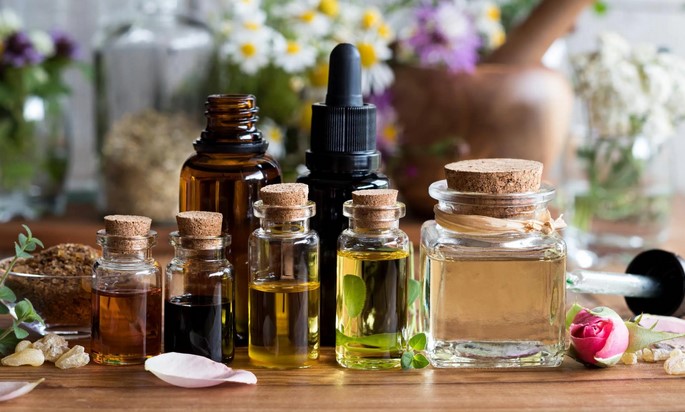
You’re staring at a spreadsheet at 4:00 PM, your temples are throbbing, and that familiar, sharp tension is creeping down your neck. You reach for the bottle of ibuprofen, but then you pause. What if the solution wasn’t a pill, but a concentrated drop of botanical intelligence? Interestingly, nearly 75% of global pharmaceutical drugs are derived from plant precursors, proving that nature has always been our primary laboratory.
In my decade of writing for health clinics and exploring integrative medicine, I’ve seen Essential Oils for Health transition from “scented hobbies” to serious therapeutic tools. I remember my first trip to a distillery in Provence, watching a literal mountain of lavender being steamed down into a tiny vial of oil. That was the moment I realized these aren’t just “smells”—they are the highly concentrated “immune systems” of the plants themselves.
Today, we’re going beyond the diffuser. We’re doing a deep dive into how you can use these volatile organic compounds to manage everyday ailments, supported by both ancestral wisdom and modern chemistry.
1. The “Chemical Keyhole” Analogy: How Oils Interact with Your Body
To understand Essential Oils for Health, you have to understand how they enter your system. Think of your body’s cells like a house with locked doors. Most synthetic medicines are like a giant battering ram—they get in, but they can be messy.
Essential oils, because they are lipophilic (fat-soluble), act more like a master key. Their tiny molecular weight allows them to slip through the cellular membrane or travel via the olfactory bulb directly to the limbic system—the emotional and hormonal control center of your brain. Within 20 minutes of topical application, many of these compounds can be found in your bloodstream.
2. The Big Three: Essential Oils Every Home Should Have
In ten years of practice, I’ve found that 80% of common household ailments can be addressed by just three specific oils. If you are a beginner, start your “natural pharmacy” here.
Lavender (Lavandula angustifolia): The Swiss Army Knife
Lavender is much more than a sleep aid. Its high content of Linalool and Linalyl Acetate gives it profound sedative and anti-inflammatory properties.
-
Best for: Minor burns, anxiety, insomnia, and insect bites.
-
The Insight: Not all lavender is equal. If the bottle says Lavandula latifolia, it will actually be stimulating. Always look for the Latin name to ensure you’re getting the “calming” variety.
Peppermint (Mentha piperita): The Natural Stimulant
Peppermint is a powerhouse of Menthol. When used correctly, it acts as a vasoconstrictor, which is why it feels so cooling on the skin.
-
Best for: Tension headaches, digestive upset (IBS), and mental fatigue.
-
LSI Term: It acts as a natural antispasmodic, helping to relax the smooth muscles of the gut.
Tea Tree (Melaleuca alternifolia): The Antiseptic Warrior
This oil was used by Australian soldiers in WWII as a standard-issue disinfectant. It contains over 90 different compounds, primarily Terpinen-4-ol.
-
Best for: Acne, fungal infections (athlete’s foot), and immune support.
-
LSI Term: It possesses broad-spectrum antimicrobial activity against bacteria, viruses, and fungi.
3. Advanced Applications: Managing Common Ailments
Now that we have our toolkit, let’s look at how to apply Essential Oils for Health to specific issues.
For Respiratory Relief and Congestion
When you’re congested, your airways are inflamed and filled with mucus. Oils like Eucalyptus and Rosemary contain 1,8-Cineole (Eucalyptol).
-
The Method: Add 2 drops to a bowl of steaming water, cover your head with a towel, and inhale. This acts as an expectorant, thinning the mucus so your body can clear it.
For Muscle Soreness and Joint Pain
If you’ve overdone it at the gym or suffer from chronic stiffness, look for oils with Methyl Salicylate, like Wintergreen or Birch.
-
The Method: Blend these with a carrier oil (like jojoba or fractionated coconut oil). The oil increases blood flow to the area, a process called hyperemia, which speeds up tissue repair.
For Digestive Harmony
If you struggle with bloating after a heavy meal, Ginger and Fennel oils are your best friends.
-
The Method: Rub a diluted mixture in a clockwise motion over your abdomen. The molecules penetrate the skin to help stimulate peristalsis (the wave-like motion of your intestines).
💡 Pro Tip: The “Test Patch” Rule
In my decade of writing, the most common injury I see isn’t from the oil itself, but from improper use. Never apply a new oil to a large area of your body without a test patch on your inner forearm. Wait 24 hours. Sensitization can happen to anyone, even with “gentle” oils like Lavender.
4. The Science of Dilution: Why “Neat” is Not Neat
A common mistake for beginners is applying oils “neat” (undiluted). Because Essential Oils for Health are so concentrated—it takes about 250 pounds of peppermint leaves to make just one pound of oil—using them straight can cause chemical burns or long-term sensitization.
The Carrier Oil Guide
A Carrier Oil isn’t just a “diluter”; it’s a delivery vehicle.
-
1% Dilution (6 drops per ounce): Best for children, the elderly, or facial applications.
-
2% Dilution (12 drops per ounce): The “sweet spot” for daily body use and massage.
-
5% Dilution (30 drops per ounce): Used for short-term localized issues like a sprained ankle.
5. Identifying Quality: Don’t Fall for “Therapeutic Grade”
Here is an insider secret: “Therapeutic Grade” is a marketing term, not a medical certification. There is no global governing body that grades essential oils.
How to spot the real deal:
-
Dark Glass Bottles: Oils are light-sensitive and will degrade in clear or plastic bottles.
-
Latin Name: The bottle must list the genus and species.
-
Country of Origin: Soil chemistry (Terroir) changes the chemical profile of the oil.
-
GC/MS Testing: Reputable companies provide Gas Chromatography/Mass Spectrometry reports, which prove the oil is pure and free from synthetic fillers.
6. LSI Keywords and Safety Vocabulary
To use oils effectively, you must understand these technical terms:
-
Phototoxicity: Some oils (like Lemon or Bergamot) react to UV light. Applying them before sun exposure can cause severe blistering.
-
Volatile: This means the oil evaporates quickly at room temperature—which is why you must keep the lids tight!
-
Adulteration: The practice of thinning expensive oils with cheaper synthetics.
-
Synergy: A blend of two or more oils that are more effective together than they are individually.
The Ingestion Myth
Here is a “Hidden Warning” that is often ignored on social media: Do not ingest essential oils unless under the direct supervision of a clinical aromatherapist or medical doctor.
The Danger: Just because an oil comes from a plant doesn’t mean it’s safe for your mucous membranes. Some oils, like Oregano, are so caustic they can damage the lining of the esophagus and stomach over time. Furthermore, your liver has to process these concentrated compounds, which can lead to hepatotoxicity if overused. Inhalation and topical application are almost always safer and more effective for daily care.
Summary: Embracing Your Botanical Intelligence
Integrating Essential Oils for Health into your life is about reclaiming a piece of our human history. These are the tools our ancestors used to stay resilient long before the first pharmacy was built. By understanding the chemistry, respecting the potency, and choosing quality over convenience, you can transform your home into a sanctuary of natural healing.
Start small. Maybe tonight, instead of scrolling until you pass out, you’ll put a drop of Lavender on your pillow and experience the science of scent for yourself.
What’s in your “Natural First Aid” kit?
We all have that one ailment that seems to follow us around—whether it’s seasonal allergies, a picky stomach, or afternoon brain fog.
I’d love to hear from you: Which oil has been a “game-changer” for your daily health? Or, if you’re a beginner, which common ailment are you most interested in treating naturally? Drop a comment below—let’s swap recipes for a healthier, more aromatic life!