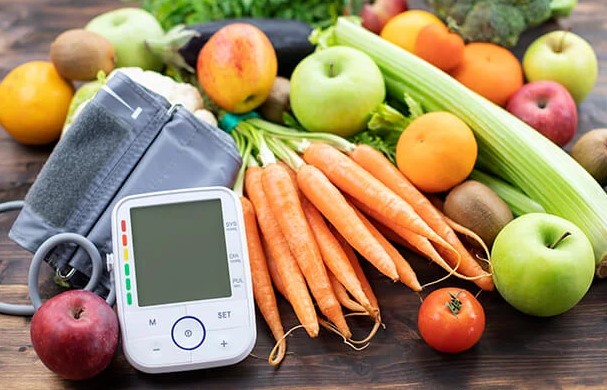
Hypertension, or high blood pressure, affects millions of people worldwide and is a leading risk factor for cardiovascular diseases such as heart attack, stroke, and kidney disease. Managing hypertension effectively is crucial for long-term health, and while medication can be an essential part of treatment, many people are turning to managing hypertension naturally through lifestyle changes, diet, and stress-reduction techniques. These natural approaches can complement traditional treatments and help improve heart health, reduce blood pressure, and minimize the risk of heart-related complications. In this article, we will explore several natural strategies to help you manage hypertension and promote heart health.
Understanding Hypertension and Its Impact on Health
Hypertension occurs when the force of blood against the walls of your arteries is consistently too high. Over time, this extra pressure can damage blood vessels, making the heart work harder and increasing the risk of severe health problems. Blood pressure is measured in millimeters of mercury (mmHg), with normal levels being around 120/80 mmHg. A reading of 130/80 mmHg or higher is generally considered high blood pressure.
There are two types of hypertension: primary and secondary. Primary hypertension develops over time and is often influenced by lifestyle factors like poor diet, lack of exercise, and high levels of stress. Secondary hypertension, on the other hand, is caused by an underlying condition such as kidney disease or hormonal disorders. Regardless of the cause, high blood pressure requires attention to reduce the risk of serious complications.
While medication prescribed by a doctor is often necessary to control blood pressure, managing hypertension naturally through dietary changes, physical activity, and stress management techniques can enhance the effectiveness of treatment and promote better overall heart health.
Natural Ways to Manage Hypertension
Managing hypertension naturally involves adopting healthy habits that support the cardiovascular system and promote proper blood circulation. Below are some effective natural methods for reducing high blood pressure and improving heart health:
1. Adopt a Heart-Healthy Diet
Diet plays a critical role in managing hypertension and improving heart health. Certain foods can help reduce blood pressure by providing essential nutrients, improving blood vessel function, and lowering cholesterol. Here are some dietary strategies for managing hypertension naturally:
- Increase Potassium-Rich Foods: Potassium helps balance the effects of sodium in the body, which is crucial for managing blood pressure. Foods high in potassium include bananas, spinach, sweet potatoes, avocados, and oranges.
- Reduce Sodium Intake: Excess sodium contributes to high blood pressure by causing the body to retain water, increasing the pressure on blood vessels. To reduce sodium intake, limit processed foods, canned soups, and fast food, all of which are high in salt. Aim to consume no more than 2,300 milligrams of sodium per day (ideally around 1,500 mg for optimal heart health).
- Adopt the DASH Diet: The Dietary Approaches to Stop Hypertension (DASH) diet focuses on fruits, vegetables, whole grains, lean proteins, and low-fat dairy. It encourages reducing the intake of sodium, added sugars, and unhealthy fats. Studies show that the DASH diet can lower blood pressure by up to 11 mmHg in people with hypertension.
- Omega-3 Fatty Acids: Omega-3s, found in fatty fish like salmon, sardines, and mackerel, have anti-inflammatory properties and can help lower blood pressure. They are also beneficial for reducing the risk of arrhythmias and improving overall heart health.
2. Incorporate Regular Physical Activity
Exercise is one of the most effective natural methods for managing hypertension naturally. Regular physical activity can lower blood pressure, improve circulation, and enhance heart function. Some of the best types of exercise for lowering blood pressure include:
- Aerobic Exercise: Activities like walking, jogging, swimming, and cycling can significantly lower blood pressure by improving cardiovascular fitness. Aim for at least 150 minutes of moderate aerobic exercise or 75 minutes of vigorous exercise per week.
- Strength Training: Building muscle through resistance exercises can help improve heart health and lower blood pressure over time. Try incorporating strength training exercises two to three times a week using bodyweight exercises (push-ups, squats) or weights.
- Yoga and Tai Chi: Both yoga and Tai Chi are effective for stress reduction, which can help lower blood pressure. These mind-body practices involve deep breathing and gentle movement, which can reduce muscle tension, promote relaxation, and lower the body’s stress response.
Exercise helps improve the efficiency of the heart, regulate blood flow, and support the body’s ability to process and eliminate excess sodium. For best results, aim to combine aerobic and strength-training exercises to optimize cardiovascular health.
3. Manage Stress and Get Enough Sleep
Chronic stress and poor sleep quality are closely linked to hypertension and poor heart health. Prolonged stress leads to the release of hormones like cortisol, which can constrict blood vessels and raise blood pressure. Likewise, insufficient sleep can interfere with the body’s ability to regulate blood pressure and increase the risk of hypertension.
To manage stress and improve sleep, consider the following techniques:
- Practice Mindfulness and Meditation: Regular mindfulness practices, such as meditation or deep-breathing exercises, can reduce stress and improve relaxation. Studies have shown that meditation can help lower blood pressure by improving blood vessel function and reducing the body’s stress response.
- Get 7-9 Hours of Sleep: Aim for adequate, restful sleep each night to support healthy blood pressure regulation. Poor sleep can elevate blood pressure, while good quality sleep helps regulate the autonomic nervous system and reduces the effects of stress.
- Take Time for Relaxation: Engage in activities that help you unwind and relax, such as reading, listening to music, or spending time in nature. Taking regular breaks from work or other stressful situations can have a significant impact on your overall well-being and heart health.
By reducing stress and improving sleep, you can enhance your body’s ability to maintain a healthy blood pressure level and promote long-term cardiovascular health.
Additional Lifestyle Changes to Improve Heart Health
In addition to diet, exercise, and stress management, there are other lifestyle changes you can make to further improve heart health and reduce the risk of hypertension:
- Quit Smoking: Smoking raises blood pressure and increases the risk of heart disease. Quitting smoking is one of the most important steps you can take to improve your heart health.
- Limit Alcohol Intake: Excessive alcohol consumption can raise blood pressure. Aim to limit alcohol to moderate levels—one drink per day for women and up to two drinks per day for men.
- Maintain a Healthy Weight: Carrying excess weight increases the strain on your heart and can contribute to high blood pressure. Achieving and maintaining a healthy weight through a combination of diet and exercise can help manage hypertension naturally and improve overall heart health.
In conclusion, managing hypertension naturally through lifestyle changes such as adopting a heart-healthy diet, engaging in regular physical activity, and practicing stress management techniques can significantly improve blood pressure and support long-term cardiovascular health. By making these natural changes, you can not only lower your blood pressure but also enhance your overall quality of life. While medication may still be necessary for some individuals, incorporating these natural strategies into your routine can complement traditional treatments and promote a healthier, longer life. Always consult with a healthcare provider before making significant changes to your lifestyle, especially if you are already managing hypertension or other medical conditions.