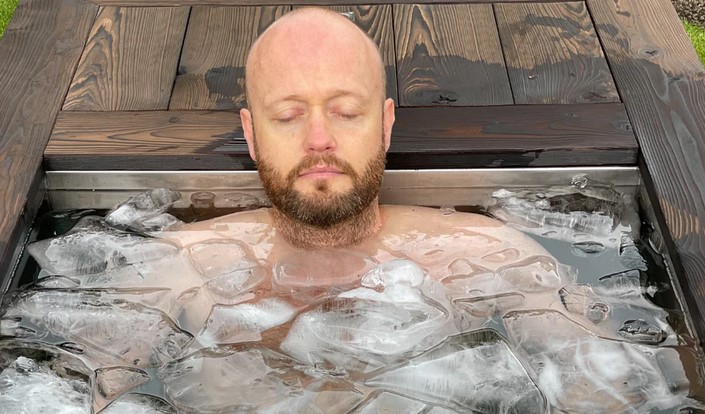
Ice baths for recovery have gained widespread attention among athletes, fitness enthusiasts, and physical therapists as a powerful tool for enhancing muscle repair. This form of cold therapy involves immersing the body in ice-cold water after intense physical activity to reduce muscle soreness, inflammation, and improve recovery time. Whether you’re an elite athlete or a weekend warrior, understanding the science behind ice baths and their effects on muscle recovery can help you make informed decisions about incorporating them into your post-workout routine. In this article, we’ll explore how ice baths work, the science behind muscle repair, and the best practices for using cold therapy effectively.
The Science Behind Ice Baths for Recovery
Ice baths, also known as cold water immersion, have been a popular recovery method for decades. They are commonly used after intense exercise, particularly after endurance events or strength training sessions that put significant strain on the muscles. The primary goal of an ice bath is to reduce muscle inflammation, speed up recovery, and relieve soreness.
How Cold Therapy Works on Muscles
When you immerse your body in ice-cold water, several physiological responses occur that contribute to muscle repair and recovery. The cold temperature causes blood vessels to constrict, which reduces blood flow to the muscles. This constriction helps to limit the swelling and inflammation that occurs after a strenuous workout. As the body begins to warm up again, the blood vessels dilate, allowing fresh oxygenated blood to rush back into the muscles. This increase in blood flow helps to remove metabolic waste products, such as lactic acid, that may have built up during exercise and promote healing.
By reducing inflammation and enhancing blood circulation, ice baths help mitigate the effects of delayed onset muscle soreness (DOMS), which typically sets in 24 to 48 hours after intense physical activity. DOMS is the result of micro-tears in muscle fibers, a natural part of the muscle-building process. Cold therapy reduces the pain and discomfort associated with these micro-tears, helping athletes return to their training routines sooner.
The Psychological Benefits of Ice Baths
In addition to the physical benefits, ice baths also offer psychological advantages. Immersing yourself in cold water can be mentally challenging, but it can also boost your mental toughness. Many athletes report feeling a sense of accomplishment and increased resilience after completing an ice bath, which can carry over into their training and performance. Furthermore, cold therapy has been shown to activate the body’s parasympathetic nervous system, which promotes relaxation and recovery.
Benefits of Ice Baths for Muscle Repair
The use of ice baths for recovery is widely supported by athletes and sports professionals for several key benefits:
- Reduction of Muscle Soreness and Inflammation
The primary benefit of ice baths is their ability to reduce muscle soreness and inflammation after intense exercise. By constricting blood vessels and reducing the flow of inflammatory compounds to the muscles, cold therapy helps minimize post-workout muscle damage and accelerates recovery time. This reduction in inflammation also plays a crucial role in preventing chronic injuries associated with overuse or repeated training sessions. - Improved Circulation and Oxygen Delivery
After an ice bath, the body warms up, leading to vasodilation (the widening of blood vessels). This process increases blood flow and allows for the delivery of fresh oxygen and nutrients to the muscles. Oxygenated blood is vital for muscle repair and growth, as it helps remove waste products and provides the energy necessary for healing. - Prevention of Overtraining and Injury
Ice baths are particularly beneficial for athletes who engage in high-intensity training or long-duration activities. Over time, the body can become fatigued, and muscles may experience microtrauma from repetitive stress. Regular use of ice baths can help reduce the risk of overtraining and prevent the development of stress fractures or chronic muscle injuries. - Reduction in Swelling and Edema
Cold therapy is also effective in reducing swelling and edema, which often occur after intense exercise. Swelling can interfere with the healing process and hinder mobility. By applying ice to inflamed areas, athletes can alleviate the pressure and discomfort associated with swelling, promoting faster healing.
Best Practices for Taking Ice Baths
While ice baths can be highly effective, they must be done correctly to achieve optimal results. Here are some tips for making the most out of your cold therapy sessions:
- Duration
The ideal length of an ice bath is typically between 10 to 20 minutes. Staying in the water for too long can lead to hypothermia or frostbite. If you’re new to ice baths, it’s recommended to start with shorter durations and gradually increase the time as your body becomes accustomed to the cold. - Water Temperature
The water temperature should be between 50°F to 59°F (10°C to 15°C). Any colder and the risk of frostbite and discomfort increases. If you don’t have access to ice, you can fill a tub with cold water and add ice to reach the desired temperature. - Post-Ice Bath Warm-Up
After finishing an ice bath, it’s essential to warm up your body gradually. This can be done by taking a warm shower, dressing in layers, or engaging in light activity like walking or stretching. Sudden temperature shifts can shock the body, so it’s best to ease into the warming process. - Frequency of Use
Ice baths should be used strategically and not overdone. While they are beneficial after intense workouts, using ice baths too frequently can hinder muscle adaptation and growth. It’s essential to balance cold therapy with rest and active recovery strategies like stretching, yoga, and massage.
In conclusion, ice baths for recovery are a highly effective method for reducing muscle soreness, inflammation, and improving circulation after intense physical activity. By constricting blood vessels, reducing swelling, and promoting faster healing, cold therapy helps accelerate muscle recovery and can enhance athletic performance. When used correctly, ice baths offer both physical and psychological benefits, making them a valuable tool for athletes and anyone looking to optimize their recovery process. While ice baths should be used in moderation, they can be an essential part of a well-rounded recovery routine, enabling you to train harder, recover faster, and prevent injuries.