It is 3:00 PM on a Tuesday. You ate a seemingly “healthy” lunch of a turkey sandwich on whole-wheat bread, a side of baked chips, and an apple. Yet, right now, you are staring at the office vending machine with a primal, clawing hunger, fighting off a brain fog so heavy it feels like your skull is stuffed with cotton.
If this vicious cycle of eating healthy, crashing, and craving sugar sounds familiar, you are not suffering from a lack of willpower. You are suffering from a metabolic rollercoaster.
Over my ten years as a health writer, working alongside nutritionists and tracking the metabolic profiles of hundreds of individuals, I have seen this exact scenario play out on repeat. The standard, carbohydrate-heavy modern diet forces your body into a constant state of panic.
When I first shifted my own nutrition to a low-carb diet years ago, it wasn’t just about dropping a few vanity pounds. It was about escaping that 3:00 PM crash and reclaiming my focus.
Let’s dive deep into the actual science of carbohydrate restriction, look at how it fundamentally rewires your fat-burning machinery, and build a sustainable blueprint to help you shed weight and thrive.
The Metabolic Blueprint: How a Low-Carb Diet Flips the Switch
To understand why a low-carb diet works so exceptionally well for sustainable weight loss, we have to look past the outdated “calories in, calories out” myth and look at our hormones—specifically, insulin.
Think of your metabolism as a dual-fuel hybrid car. It can run on electricity (carbohydrates/glucose) or gas (fat/ketones). When you eat a diet high in breads, pastas, sugars, and even excessive fruits, your body breaks them down into glucose, causing your blood sugar to spike.
In response, your pancreas releases insulin, a hormone whose primary job is to clear sugar out of your bloodstream.
Here is the catch: insulin is also your body’s primary fat-storage hormone. When insulin levels are chronically elevated, the doors to your fat cells are securely locked. Your body cannot burn stored body fat for fuel because it is drowning in glucose.
[ High Carb Intake ] ──> Spike in Blood Glucose ──> High Insulin ──> Fat Storage Locked
                                                                          │
[ Low-Carb Intake ]  ──> Stable Blood Glucose  ──> Low Insulin  ──> Fat Burning Activated
By transitioning to a low-carb diet, you intentionally lower your insulin baseline. This unlocks your fat tissue, allowing your liver to convert stored fat into fatty acids and ketones, shifting you from a sugar-burner to a highly efficient fat-burning machine.
Not All Low-Carb Diets Are Created Equal
One of the biggest pain points I observe among beginners is the tendency to go “too hard, too fast” without understanding the spectrum of carbohydrate restriction. You do not have to jump straight into a zero-carb lifestyle to reap massive rewards.
Depending on your metabolic health, activity levels, and personal goals, you can choose where you want to sit on the spectrum:
-
The Ketogenic Diet (Keto): The most strict variation, limiting carbs to 20 to 50 grams of net carbs per day. This forces your body into a deep state of ketosis, where fat becomes your primary fuel source.
-
Moderate Low-Carb: Staying between 50 to 100 grams of net carbs per day. This is an incredible sweet spot for moderately active individuals who want steady weight loss without giving up every single starch.
-
Liberal Low-Carb: Consuming 100 to 150 grams of net carbs per day. This is ideal for weight maintenance, highly active athletes, or beginners looking to ease away from highly processed foods.
What Are Net Carbs?
To calculate net carbs, use this simple formula: Total Carbs – Dietary Fiber = Net Carbs. Because fiber passes through your digestive system without spiking blood glucose, you don’t need to count it against your daily limits.
Beyond Weight Loss: The Hidden Health Benefits
While the scale dropping is highly motivating, the clinical data surrounding low-carbohydrate nutrition reveals systemic health transformations that go far deeper than aesthetics.
Reversing Insulin Resistance and Type 2 Diabetes
When you stop flooding your system with glucose, your body regains its insulin sensitivity. Over my career, I have interviewed dozens of clinicians who have successfully used carbohydrate restriction to help patients achieve complete remission of type 2 diabetes, allowing them to safely transition off heavy medications.
Optimizing Your Cholesterol Profile
For decades, critics claimed that eating more healthy fats on a low-carb diet would ruin cardiovascular health. However, modern clinical trials consistently demonstrate that a well-formulated low-carb lifestyle significantly reduces harmful triglycerides and increases HDL (good) cholesterol, while improving the particle size of your LDL cholesterol.
Eradicating Systematic Inflammation
Sugar and refined grains are highly inflammatory. By substituting them with nutrient-dense whole foods, many people report a dramatic reduction in chronic joint pain, clearer skin, and the complete elimination of brain fog.
What to Eat: A Scannable Shopping Guide
If you want to succeed, you must stop focusing on what you are restricting and start focusing on the rich, deeply satisfying foods you get to enjoy.
Foods to Focus On
-
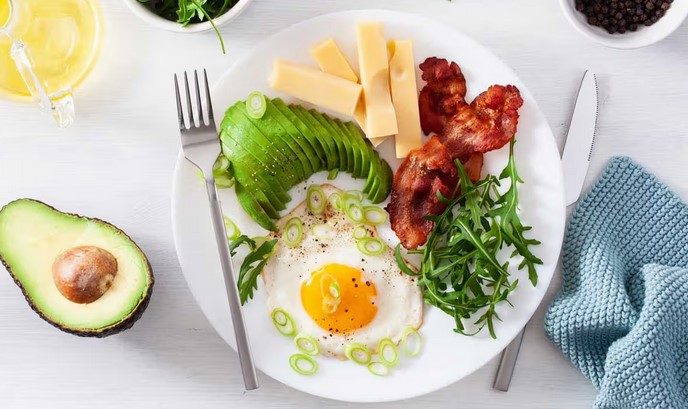
High-Quality Proteins: Grass-fed beef, poultry, pork, eggs, and wild-caught fish (like salmon and mackerel, which are packed with healthy omega-3 fatty acids).
-
Healthy Fats: Extra virgin olive oil, avocado oil, real butter, ghee, and coconut oil.
-
Non-Starchy Vegetables: Leafy greens (spinach, kale), broccoli, cauliflower, zucchini, bell peppers, and asparagus.
-
Nuts and Seeds: Almonds, macadamia nuts, walnuts, chia seeds, and flaxseeds (in moderation).
Foods to Limit or Avoid
-
Refined Sugars: Soda, candy, pastries, fruit juices, and hidden sugars in commercial condiments.
-
Grains and Starches: Wheat, rice, oats, pasta, cereal, and white potatoes.
-
Ultra-Processed “Low-Carb” Treats: Beware of store-bought keto bars and snacks packed with synthetic sugar alcohols that can still cause digestive distress and trigger cravings.
Pro Tips: Navigating the “Keto Flu” and Hydration
When you drastically cut carbohydrates, your body dumps a massive amount of water weight. This happens because stored carbs (glycogen) retain water in a 1:3 ratio. As glycogen stores empty, your kidneys also excrete critical minerals like sodium, potassium, and magnesium.
This sudden loss of fluids and minerals is what causes the infamous “Keto Flu”—a temporary wave of headaches, lethargy, and muscle cramps that hits during week one.
Expert Advice: The Salt Solution
To completely bypass or cure the Keto Flu, do not just drink plain water. You need to actively replenish your electrolytes. Try drinking a cup of warm bone broth with a generous pinch of sea salt twice a day during your first week, or add a high-quality sugar-free electrolyte powder to your water bottle.
Blueprint for Long-Term Sustainability
The absolute best diet is not the one that loses weight the fastest; it is the one you can naturally stick to for the next five years without feeling miserable.
Do not view a low-carb diet as a temporary, restrictive prison sentence. View it as a fundamental shift toward whole, unprocessed foods. Allow yourself flexibility. If you decide to enjoy a piece of real birthday cake or a traditional wood-fired pizza on a special occasion, enjoy every single bite without guilt, and simply return to your low-carb baseline the very next morning.
Your Turn to Take Action
Transitioning your metabolism takes time, patience, and the willingness to unlearn old dietary myths. But the reward—unshakeable energy, effortless weight management, and metabolic freedom—is entirely worth it.
If you are ready to make a change, what is one high-carb food in your pantry right now that you are willing to swap out for a healthier, low-carb alternative this week? If you have tried restricting carbs before, what was your biggest challenge? Let’s talk about it in the comments below!