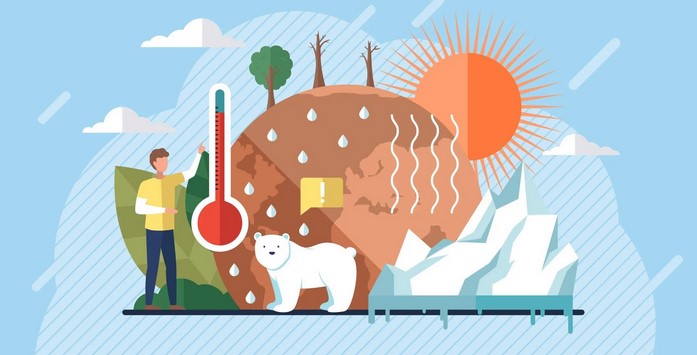
As the global climate crisis continues to evolve, its effects on ecosystems, weather patterns, and communities are becoming more evident. Beyond environmental changes, one of the most profound and immediate consequences of climate change is its impact on climate change and public health. Rising temperatures, extreme weather events, air pollution, and altered ecosystems are all contributing to a growing range of health risks that affect people across the world. In this article, we will explore how climate change is influencing public health on a global scale and discuss the interconnectedness of environmental changes and human well-being. Understanding these links is essential for developing effective strategies to mitigate risks and protect public health in the future.
The Health Risks Posed by Climate Change
The direct and indirect effects of climate change on human health are becoming increasingly clear. Several health concerns are either exacerbated or directly caused by changes in climate patterns. Among these concerns are the increased prevalence of heat-related illnesses, vector-borne diseases, respiratory conditions, and mental health issues.
1. Heat-Related Illnesses
One of the most immediate effects of climate change is the increase in global temperatures. Heatwaves are becoming more frequent and intense, particularly in regions that already experience hot climates. Extreme heat can lead to heat exhaustion, heatstroke, dehydration, and even death. Vulnerable populations, such as the elderly, children, and those with preexisting health conditions, are particularly at risk. Furthermore, prolonged heat exposure can strain healthcare systems, leading to an increased number of hospital admissions and emergency cases.
2. Air Quality and Respiratory Conditions
Climate change contributes to the degradation of air quality, particularly in urban areas. Rising temperatures, along with more frequent wildfires, can increase the concentration of air pollutants such as ozone, particulate matter, and carbon monoxide. Poor air quality exacerbates respiratory conditions, including asthma, bronchitis, and chronic obstructive pulmonary disease (COPD). People living in areas with high levels of air pollution are more likely to develop long-term health problems, and those with preexisting respiratory conditions are at heightened risk.
3. Vector-Borne Diseases
Changing weather patterns, including warmer temperatures and increased rainfall, are also altering the habitats of disease-carrying organisms such as mosquitoes, ticks, and rodents. Warmer temperatures allow these vectors to expand into regions previously too cold for them to thrive. As a result, diseases such as malaria, dengue fever, Lyme disease, and Zika virus are spreading into new areas, putting more people at risk. This is particularly concerning in low-income countries that may not have the necessary resources to control these diseases.
Climate Change, Food Security, and Malnutrition
Another crucial link between climate change and public health lies in food security and malnutrition. Changes in weather patterns are affecting food production and distribution, leading to food shortages, price increases, and reduced nutritional quality.
1. Impact on Agricultural Production
Climate change affects agriculture in multiple ways. Droughts, floods, and shifting growing seasons are disrupting the cultivation of staple crops such as wheat, rice, and maize. These disruptions not only reduce crop yields but also increase the cost of food. As a result, communities that are heavily dependent on agriculture may face economic instability, and low-income populations may struggle to afford nutritious food. In some regions, food insecurity is leading to malnutrition, especially among children and pregnant women, who are most vulnerable to the consequences of inadequate nutrition.
2. Nutrient Deficiency and Quality
Higher carbon dioxide levels are also having an effect on the nutrient content of crops. Studies have shown that elevated CO2 can reduce the concentrations of essential nutrients such as protein, iron, and zinc in some crops, further exacerbating malnutrition in vulnerable populations. This reduction in nutrient quality poses a particular threat to individuals in developing countries where diets may already be low in essential nutrients.
Mental Health and Climate Change
While the physical health impacts of climate change are often highlighted, the mental health consequences are equally significant. The psychological effects of climate change can be direct or indirect and affect individuals, communities, and entire regions.
1. Anxiety and Stress
People living in areas that experience frequent natural disasters, such as hurricanes, floods, and wildfires, often experience significant stress and anxiety. These events can lead to post-traumatic stress disorder (PTSD), depression, and other mental health conditions. Furthermore, witnessing the gradual destruction of familiar environments due to sea-level rise or desertification can contribute to feelings of helplessness, loss, and despair. This type of “eco-anxiety” is becoming more common, especially among young people who are concerned about their future.
2. Displacement and Forced Migration
As rising sea levels, droughts, and extreme weather events displace millions of people from their homes, the mental health impacts of migration are also becoming a growing concern. Refugees and displaced individuals often face the trauma of losing their homes, livelihoods, and communities, which can lead to significant psychological distress. Moreover, the social and economic challenges of resettlement can exacerbate existing mental health conditions, leading to increased vulnerability in displaced populations.
Addressing the Challenges of Climate Change and Public Health
Given the complex relationship between climate change and public health, it is crucial for governments, healthcare systems, and communities to adopt strategies that both mitigate the effects of climate change and protect human health. Several approaches can help reduce the negative impacts of climate change on public health:
1. Strengthening Healthcare Systems
Health systems need to be better equipped to handle the increased burden caused by climate change. This includes ensuring that healthcare facilities can manage a rise in heat-related illnesses, vector-borne diseases, and respiratory problems. Governments should also focus on training healthcare professionals to recognize and treat climate-related health conditions. Additionally, improving access to healthcare in vulnerable regions, especially in low-income countries, is essential to reducing the health impacts of climate change.
2. Promoting Sustainable Agriculture
Investing in sustainable agricultural practices can help protect food security and reduce the risks of malnutrition. Techniques such as crop diversification, water-efficient irrigation, and the use of climate-resistant seeds can help ensure stable food production in the face of changing weather patterns. Supporting local farmers with education, resources, and financial support is also key to mitigating the health risks associated with food insecurity.
3. Mental Health Support and Community Resilience
Building community resilience and providing mental health support to those affected by climate change is essential for maintaining global wellness. This includes offering psychological services to individuals impacted by climate-related disasters, as well as creating community networks that can help people cope with the stresses of climate change. Governments and NGOs should collaborate to address the mental health needs of vulnerable populations and ensure that mental health care is integrated into disaster response efforts.
In conclusion, climate change and public health are deeply intertwined, and addressing the health risks associated with climate change is critical for ensuring global wellness. From heat-related illnesses and respiratory conditions to food insecurity and mental health challenges, the consequences of a changing climate are far-reaching and complex. However, by prioritizing sustainability, strengthening healthcare systems, and supporting communities, we can reduce the impact of climate change on public health and protect future generations. With concerted global effort, it is possible to mitigate these risks and create a healthier, more resilient world.