Medrol Dosepak: Uses, Dosage, and Potential Side Effects

Source : https://magazinepro.co

Medrol Dosepak (methylprednisolone) is a corticosteroid medication used to treat a variety of conditions, including allergies, asthma, and arthritis. It is available in a variety of forms, including tablets, oral suspensions, and injectable solutions. The dosage and duration of treatment depend on the condition being treated. Common side effects of Medrol Dosepak include nausea, vomiting, headache, and increased appetite. More serious side effects may include changes in vision, increased blood pressure, and changes in mood. It is important to discuss any potential side effects with your doctor before starting treatment.

Exploring the Benefits of Medrol Dosepak: Uses, Dosage, and Potential Side Effects

Medrol Dosepak is a corticosteroid medication used to treat a variety of conditions, including allergies, asthma, and arthritis. It is available in a convenient, pre-measured dose pack that makes it easy to take the correct amount of medication. This article will discuss the uses, dosage, and potential side effects of Medrol Dosepak.

Uses

Medrol Dosepak is used to treat a variety of conditions, including allergies, asthma, and arthritis. It works by reducing inflammation and suppressing the immune system. It can also be used to treat certain types of cancer, such as lymphoma and leukemia.

Dosage

The dosage of Medrol Dosepak depends on the condition being treated and the patient’s age and weight. It is important to follow the instructions on the package carefully and to take the medication exactly as prescribed by your doctor.

Potential Side Effects

Like all medications, Medrol Dosepak can cause side effects. Common side effects include nausea, vomiting, stomach pain, and headache. Other potential side effects include dizziness, insomnia, and increased appetite. If you experience any of these side effects, contact your doctor immediately.

In conclusion, Medrol Dosepak is a convenient and effective medication used to treat a variety of conditions. It is important to follow the instructions on the package carefully and to take the medication exactly as prescribed by your doctor. While it can cause side effects, these are usually mild and can be managed with proper medical care.

Understanding the Risks of Medrol Dosepak: Uses, Dosage, and Potential Side Effects

Medrol Dosepak (methylprednisolone) is a corticosteroid medication used to treat a variety of conditions, including allergies, asthma, and arthritis. It is available in a convenient, pre-packaged form that makes it easy to take the correct dose. However, it is important to understand the risks associated with taking Medrol Dosepak, including potential side effects and interactions with other medications.

Uses

Medrol Dosepak is used to treat a variety of conditions, including allergies, asthma, and arthritis. It works by reducing inflammation and suppressing the immune system. It can also be used to treat certain types of cancer and autoimmune diseases.

Dosage

Medrol Dosepak comes in a convenient, pre-packaged form that makes it easy to take the correct dose. The dose and duration of treatment will depend on the condition being treated. It is important to follow your doctor’s instructions carefully when taking Medrol Dosepak.

Potential Side Effects

Medrol Dosepak can cause a variety of side effects, including nausea, vomiting, stomach pain, headache, dizziness, and insomnia. It can also cause changes in mood, increased appetite, and weight gain. Long-term use of Medrol Dosepak can lead to serious side effects, such as increased risk of infection, bone loss, and cataracts.

Interactions with Other Medications

Medrol Dosepak can interact with other medications, including antibiotics, antifungals, and blood thinners. It can also interact with certain supplements, such as St. John’s wort. It is important to tell your doctor about all medications and supplements you are taking before starting Medrol Dosepak.

It is important to understand the risks associated with taking Medrol Dosepak. Be sure to talk to your doctor about any potential side effects or interactions with other medications. With the right information and careful monitoring, Medrol Dosepak can be an effective treatment for a variety of conditions.Medrol Dosepak is a convenient and effective way to manage inflammation and pain associated with certain medical conditions. It is important to follow the instructions provided by your doctor when taking Medrol Dosepak, as it can cause serious side effects if not taken correctly. It is also important to be aware of potential side effects and to contact your doctor if any of these occur. With proper use, Medrol Dosepak can be an effective way to manage inflammation and pain.

Aloe Vera Plant for Hair Care: Benefits and Usage

Source : https://www.eatingwell.com

Aloe Vera is a natural plant that has been used for centuries to treat a variety of ailments, including hair care. It is known for its healing and moisturizing properties, and is often used as a natural remedy for hair loss, dandruff, and other scalp issues. Aloe Vera is rich in vitamins, minerals, and amino acids, which help to nourish and strengthen the hair. It also contains enzymes that help to break down dead skin cells and promote healthy hair growth. In addition to its many benefits for hair care, Aloe Vera can also be used to soothe sunburns, reduce inflammation, and even treat acne. With its many uses and benefits, Aloe Vera is an excellent choice for anyone looking to improve their hair care routine.

How Aloe Vera Plant Can Help Improve Hair Health: Benefits and Usage

Aloe vera is a popular plant known for its many health benefits. It has been used for centuries to treat a variety of ailments, including skin and hair problems. In recent years, aloe vera has become increasingly popular as a natural remedy for hair health. This is because it is rich in vitamins, minerals, and other beneficial compounds that can help improve the health of your hair.

Aloe vera is a great source of vitamins A, C, and E, which are essential for healthy hair growth. It also contains minerals such as zinc, magnesium, and copper, which help to nourish the scalp and hair follicles. Additionally, aloe vera contains enzymes that can help to break down dead skin cells and excess sebum, which can clog the hair follicles and lead to hair loss.

Aloe vera can also help to reduce scalp inflammation, which can lead to dandruff and other scalp conditions. It is also known to be a natural moisturizer, which can help to keep the scalp and hair hydrated. This can help to reduce frizz and make hair more manageable.

Using aloe vera on your hair is easy. You can either purchase aloe vera gel or juice from a health food store, or you can make your own by blending the leaves of an aloe vera plant. Once you have the gel or juice, you can apply it directly to your scalp and hair. You can also add a few drops of essential oils to the mixture for added benefits.

Aloe vera can be used as a deep conditioning treatment or as a leave-in conditioner. For a deep conditioning treatment, apply the aloe vera gel or juice to your scalp and hair and leave it on for 30 minutes before rinsing it out. For a leave-in conditioner, apply the aloe vera gel or juice to your hair and leave it in for a few hours before rinsing it out.

Aloe vera can also be used as a natural hair mask. To make a hair mask, mix together aloe vera gel or juice with other natural ingredients such as honey, avocado, or coconut oil. Apply the mixture to your hair and leave it on for 30 minutes before rinsing it out.

Aloe vera can be a great addition to your hair care routine. It is rich in vitamins, minerals, and other beneficial compounds that can help to improve the health of your hair. It can also help to reduce scalp inflammation, moisturize the scalp and hair, and make hair more manageable. Try adding aloe vera to your hair care routine today and see the difference it can make!

Natural Hair Care with Aloe Vera Plant: Benefits and Tips for Usage

Aloe vera is a popular natural remedy for a variety of skin and hair care needs. It is a succulent plant with thick, fleshy leaves that contain a gel-like substance. This gel is rich in vitamins, minerals, and other beneficial compounds that can help nourish and protect the hair and scalp. In this article, we will discuss the benefits of using aloe vera for hair care, as well as some tips for incorporating it into your routine.

The Benefits of Aloe Vera for Hair Care

Aloe vera is a natural source of vitamins, minerals, and other beneficial compounds that can help nourish and protect the hair and scalp. It is rich in vitamins A, C, and E, which are essential for healthy hair growth. It also contains minerals such as zinc, magnesium, and potassium, which can help strengthen the hair and reduce breakage. Additionally, aloe vera contains enzymes that can help remove dead skin cells from the scalp, allowing for better absorption of nutrients.

Aloe vera is also a natural source of fatty acids, which can help to moisturize the hair and scalp. This can help reduce dryness and flakiness, as well as reduce the appearance of dandruff. Additionally, aloe vera can help to reduce scalp inflammation, which can lead to hair loss.

Tips for Using Aloe Vera for Hair Care

Using aloe vera for hair care is easy and can be incorporated into your regular routine. Here are some tips for using aloe vera for hair care:

1. Make an aloe vera hair mask. Mix together aloe vera gel, honey, and a few drops of your favorite essential oil. Apply the mixture to your hair and scalp and leave it on for 15-20 minutes before rinsing it off.

2. Use aloe vera as a leave-in conditioner. Mix together aloe vera gel and a few drops of your favorite essential oil. Apply the mixture to your damp hair and leave it in.

3. Use aloe vera as a scalp treatment. Mix together aloe vera gel and a few drops of your favorite essential oil. Massage the mixture into your scalp and leave it on for 15-20 minutes before rinsing it off.

4. Use aloe vera as a deep conditioner. Mix together aloe vera gel, honey, and a few drops of your favorite essential oil. Apply the mixture to your hair and scalp and leave it on for 30 minutes before rinsing it off.

Conclusion

Aloe vera is a natural source of vitamins, minerals, and other beneficial compounds that can help nourish and protect the hair and scalp. It can help reduce dryness and flakiness, as well as reduce the appearance of dandruff. Additionally, it can help to reduce scalp inflammation, which can lead to hair loss. Incorporating aloe vera into your hair care routine is easy and can help to improve the health of your hair and scalp.In conclusion, Aloe Vera is an incredibly versatile plant that can be used for a variety of hair care needs. It is a natural source of vitamins, minerals, and other nutrients that can help to nourish and protect the hair. It can be used as a conditioner, a scalp treatment, and even a styling aid. Aloe Vera is a great choice for those looking to improve the health of their hair and scalp. With regular use, it can help to reduce dandruff, promote hair growth, and even reduce hair loss.

The Role of a Foot Doctor: Podiatry and Foot Health

Source : https://wp02-media.cdn.ihealthspot.com

A foot doctor, also known as a podiatrist, is a medical professional who specializes in the diagnosis and treatment of foot and ankle conditions. Podiatrists are trained to diagnose and treat a wide range of foot and ankle problems, from common conditions such as bunions and plantar fasciitis to more complex issues such as fractures and nerve damage. They also provide preventive care, such as regular foot exams and advice on proper foot care. Podiatrists are an important part of the healthcare team, helping to ensure that patients maintain healthy feet and ankles.

The Benefits of Seeing a Podiatrist: How a Foot Doctor Can Help Improve Your Foot Health

Seeing a podiatrist can be a great way to improve your foot health and overall wellbeing. Podiatrists are medical professionals who specialize in the diagnosis, treatment, and prevention of foot and ankle conditions. They can help you manage a wide range of foot and ankle issues, from common problems like bunions and plantar fasciitis to more serious conditions like diabetes and arthritis.

The benefits of seeing a podiatrist are numerous. For starters, they can provide you with a comprehensive evaluation of your feet and ankles. This includes a physical examination, as well as imaging tests such as X-rays and MRIs. This allows them to accurately diagnose any issues you may be having and develop a treatment plan that is tailored to your individual needs.

Podiatrists can also provide you with advice on how to prevent future foot and ankle problems. This includes advice on proper footwear, exercises, and lifestyle changes that can help you maintain healthy feet and ankles. They can also provide you with custom orthotics and other devices that can help you manage your condition.

In addition, podiatrists can provide you with treatments for existing foot and ankle conditions. This includes medications, physical therapy, and even surgery if necessary. They can also provide you with advice on how to manage your condition at home, such as how to properly care for your feet and ankles.

Overall, seeing a podiatrist can be a great way to improve your foot health and overall wellbeing. They can provide you with a comprehensive evaluation, advice on prevention, and treatments for existing conditions. So if you’re experiencing any foot or ankle issues, don’t hesitate to make an appointment with a podiatrist today.

Common Foot Conditions and How a Podiatrist Can Help: What to Expect from a Foot Doctor Visit

If you’re experiencing foot pain or discomfort, it’s important to seek help from a podiatrist. A podiatrist is a medical professional who specializes in diagnosing and treating conditions of the foot and ankle. They can help with a wide range of foot conditions, from common issues like bunions and plantar fasciitis to more serious conditions like fractures and tendonitis.

When you visit a podiatrist, they will first take a detailed medical history and ask questions about your symptoms. They will then perform a physical examination of your feet and ankles, looking for signs of inflammation, swelling, or other abnormalities. Depending on the condition, they may also order imaging tests such as X-rays or MRIs to get a better look at the affected area.

Once the podiatrist has identified the cause of your foot condition, they will discuss treatment options with you. These may include lifestyle changes, such as wearing supportive shoes or using orthotics, as well as medications or physical therapy. In some cases, surgery may be necessary.

Your podiatrist will also provide advice on how to prevent future foot problems. This may include tips on proper foot care, such as wearing the right shoes and avoiding activities that put too much strain on your feet.

Visiting a podiatrist is an important step in managing foot conditions and keeping your feet healthy. With the right treatment plan, you can reduce your pain and improve your quality of life.In conclusion, the role of a foot doctor is an important one in the field of podiatry and foot health. They are responsible for diagnosing and treating a variety of foot and ankle conditions, as well as providing preventative care and education to their patients. They are also involved in research and development of new treatments and technologies to improve the quality of life for those with foot and ankle issues. The field of podiatry and foot health is constantly evolving, and the role of a foot doctor is essential in providing the best care possible for their patients.

Deep Vein Thrombosis (DVT): Recognizing Symptoms and Risks

Source : https://media.post.rvohealth.io

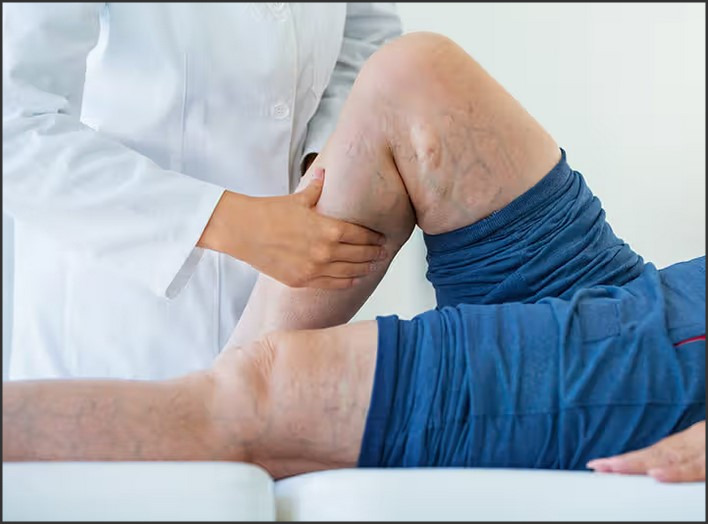
Deep Vein Thrombosis (DVT) is a serious medical condition that occurs when a blood clot forms in a deep vein, usually in the legs. It can be life-threatening if the clot breaks off and travels to the lungs, causing a pulmonary embolism. It is important to be aware of the symptoms and risks of DVT so that it can be diagnosed and treated quickly. Symptoms of DVT include swelling, pain, tenderness, and warmth in the affected area. Risk factors include age, obesity, smoking, and certain medical conditions. Treatment for DVT includes anticoagulant medications, compression stockings, and lifestyle changes.

Understanding the Signs and Symptoms of Deep Vein Thrombosis

Deep vein thrombosis (DVT) is a serious medical condition that occurs when a blood clot forms in a deep vein, usually in the leg. It can be life-threatening if the clot breaks off and travels to the lungs, causing a pulmonary embolism. It is important to be aware of the signs and symptoms of DVT so that you can seek medical attention if necessary.

The most common symptom of DVT is pain or tenderness in the affected area. This pain may be mild or severe and may worsen when standing or walking. Other symptoms may include swelling in the affected area, warmth in the area, redness of the skin, and visible veins.

If you experience any of these symptoms, it is important to seek medical attention right away. Your doctor will likely order a Doppler ultrasound to confirm the diagnosis. This test uses sound waves to create an image of the veins and detect any clots.

In addition to the physical symptoms, you may also experience shortness of breath, chest pain, and coughing up blood. These are signs of a pulmonary embolism, which is a potentially life-threatening complication of DVT. If you experience any of these symptoms, seek medical attention immediately.

If you are at risk for DVT, it is important to be aware of the signs and symptoms. Talk to your doctor about your risk factors and what you can do to reduce your risk. Early diagnosis and treatment can help prevent serious complications.

Identifying Risk Factors for Developing Deep Vein Thrombosis

Deep vein thrombosis (DVT) is a serious medical condition that occurs when a blood clot forms in a deep vein, usually in the leg. It can be life-threatening if the clot breaks off and travels to the lungs, causing a pulmonary embolism. Knowing the risk factors for DVT can help you take steps to reduce your risk.

The most common risk factors for DVT include:

• Age: People over the age of 60 are at higher risk for DVT.

• Gender: Women are more likely to develop DVT than men.

• Family history: If you have a family history of DVT, you may be at higher risk.

• Surgery: Surgery, especially major surgery, can increase your risk of DVT.

• Prolonged immobility: Sitting for long periods of time, such as during a long flight or car ride, can increase your risk of DVT.

• Pregnancy: Pregnant women are at higher risk for DVT.

• Birth control: Certain types of birth control, such as the pill, can increase your risk of DVT.

• Smoking: Smoking increases your risk of DVT.

• Obesity: Being overweight or obese can increase your risk of DVT.

• Cancer: People with cancer are at higher risk for DVT.

• Heart disease: People with heart disease are at higher risk for DVT.

• Blood disorders: People with certain blood disorders, such as sickle cell anemia, are at higher risk for DVT.

• Medications: Certain medications, such as hormone replacement therapy, can increase your risk of DVT.

If you have any of these risk factors, talk to your doctor about ways to reduce your risk of DVT. Taking steps to stay active, maintain a healthy weight, and quit smoking can help reduce your risk.In conclusion, Deep Vein Thrombosis (DVT) is a serious medical condition that can have life-threatening consequences if left untreated. It is important to be aware of the symptoms and risk factors associated with DVT, and to seek medical attention if any of these are present. Early diagnosis and treatment can help to reduce the risk of serious complications and improve the prognosis for those affected.

Home Remedies for Managing Bedwetting in Adults

Source : https://nafc.org

Bedwetting in adults is a common problem that can be embarrassing and difficult to manage. Fortunately, there are a variety of home remedies that can help adults manage their bedwetting. These remedies range from lifestyle changes to natural remedies and can be used to help reduce the frequency and severity of bedwetting. In this article, we will discuss some of the most effective home remedies for managing bedwetting in adults. We will also discuss the potential risks and benefits of each remedy and provide tips for getting the most out of them.

Natural Solutions for Adult Bedwetting: Exploring Home Remedies for Managing Bedwetting in Adults

Adult bedwetting can be a difficult and embarrassing issue to manage. Fortunately, there are a number of home remedies that can help adults manage their bedwetting. In this article, we will explore some of the most effective home remedies for adult bedwetting.

The first home remedy for adult bedwetting is to limit fluid intake before bed. This means avoiding drinks like coffee, tea, and soda, as well as limiting the amount of water you drink before bed. Additionally, it is important to avoid drinking alcohol before bed, as this can increase the chances of bedwetting.

Another home remedy for adult bedwetting is to use a bedwetting alarm. Bedwetting alarms are devices that are worn on the body and sound an alarm when the person begins to wet the bed. This can help to train the body to recognize the sensation of needing to urinate and wake up before wetting the bed.

Finally, it is important to practice good sleep hygiene. This means going to bed and waking up at the same time each day, avoiding screens before bed, and creating a comfortable sleep environment. Additionally, it is important to practice relaxation techniques before bed, such as deep breathing or progressive muscle relaxation.

In conclusion, adult bedwetting can be a difficult and embarrassing issue to manage. Fortunately, there are a number of home remedies that can help adults manage their bedwetting. These include limiting fluid intake before bed, using a bedwetting alarm, and practicing good sleep hygiene. With the right combination of home remedies, adults can successfully manage their bedwetting and get a good night’s sleep.

Understanding the Causes of Adult Bedwetting and How Home Remedies Can Help

Adult bedwetting, also known as nocturnal enuresis, is a common yet often embarrassing condition that affects millions of adults worldwide. While it is more common in children, adults can also suffer from this condition. Fortunately, there are a number of home remedies that can help to reduce or even eliminate adult bedwetting.

In order to understand how home remedies can help, it is important to first understand the causes of adult bedwetting. The most common cause of adult bedwetting is a bladder control disorder, which can be caused by a number of factors, including urinary tract infections, diabetes, neurological disorders, and even certain medications. Other causes of adult bedwetting include stress, sleep apnea, and even certain lifestyle choices, such as drinking too much alcohol or caffeine.

Fortunately, there are a number of home remedies that can help to reduce or even eliminate adult bedwetting. One of the most effective home remedies is to limit the amount of fluids consumed before bedtime. This can help to reduce the amount of urine produced during the night, which can help to reduce the chances of bedwetting. Additionally, avoiding caffeine and alcohol before bedtime can also help to reduce the chances of bedwetting.

Another home remedy that can help to reduce adult bedwetting is to practice bladder control exercises. These exercises can help to strengthen the muscles that control the bladder, which can help to reduce the chances of bedwetting. Additionally, it is important to practice good sleep hygiene, such as avoiding screens before bedtime and creating a comfortable sleep environment.

Finally, it is important to talk to a doctor if adult bedwetting persists. A doctor can help to identify any underlying medical conditions that may be causing the bedwetting and can provide additional treatment options.

In conclusion, adult bedwetting is a common yet often embarrassing condition that affects millions of adults worldwide. Fortunately, there are a number of home remedies that can help to reduce or even eliminate adult bedwetting. These remedies include limiting fluids before bedtime, avoiding caffeine and alcohol before bedtime, practicing bladder control exercises, and practicing good sleep hygiene. Additionally, it is important to talk to a doctor if adult bedwetting persists.In conclusion, home remedies for managing bedwetting in adults can be an effective way to reduce or eliminate the problem. While there is no one-size-fits-all solution, a combination of lifestyle changes, bladder training, and natural remedies can help many adults manage their bedwetting. It is important to remember that bedwetting is a common problem and that there is no shame in seeking help. With the right approach, adults can find relief from this condition and enjoy a better quality of life.

Zithromax 250 mg Dosage: Uses and Guidelines

Source : https://tajgenerics.com

Zithromax 250 mg is an antibiotic medication used to treat a variety of bacterial infections. It belongs to a class of antibiotics called macrolides, which work by stopping the growth of bacteria. Zithromax 250 mg is available in both oral and intravenous forms. It is commonly used to treat respiratory infections, skin infections, ear infections, and sexually transmitted diseases. This article will provide an overview of Zithromax 250 mg dosage, uses, and guidelines.

How to Safely Use Zithromax 250 mg Dosage for Treatment of Bacterial Infections

Zithromax 250 mg is a commonly prescribed antibiotic used to treat bacterial infections. It is important to take this medication as prescribed by your doctor in order to ensure the best possible outcome. Here are some tips to help you safely use Zithromax 250 mg for the treatment of bacterial infections:

1. Take the medication as prescribed. It is important to take Zithromax 250 mg exactly as your doctor has prescribed. Do not take more or less than the prescribed amount.

2. Take the medication with food. Zithromax 250 mg should be taken with food to help reduce the risk of stomach upset.

3. Drink plenty of fluids. It is important to drink plenty of fluids while taking Zithromax 250 mg to help flush the medication out of your system.

4. Avoid alcohol. Alcohol can interact with Zithromax 250 mg and should be avoided while taking the medication.

5. Monitor your symptoms. It is important to monitor your symptoms while taking Zithromax 250 mg. If your symptoms do not improve or worsen, contact your doctor.

By following these tips, you can safely use Zithromax 250 mg for the treatment of bacterial infections. Be sure to talk to your doctor if you have any questions or concerns about taking this medication.

Understanding the Guidelines for Zithromax 250 mg Dosage: What You Need to Know

Zithromax 250 mg is a commonly prescribed antibiotic used to treat a variety of bacterial infections. It is important to understand the guidelines for taking this medication in order to ensure that it is used safely and effectively.

When taking Zithromax 250 mg, it is important to follow the instructions provided by your doctor. This includes taking the medication exactly as prescribed and not taking more or less than the recommended dosage. It is also important to take the medication for the full course of treatment, even if you start to feel better. Stopping the medication too soon can lead to the infection returning.

It is also important to take Zithromax 250 mg with food or a full glass of water. This helps to ensure that the medication is absorbed properly. It is also important to avoid taking antacids or other medications that contain aluminum or magnesium within two hours of taking Zithromax 250 mg.

It is also important to be aware of the potential side effects of Zithromax 250 mg. Common side effects include nausea, vomiting, diarrhea, and stomach pain. If you experience any of these side effects, it is important to contact your doctor right away.

Finally, it is important to remember that Zithromax 250 mg is not a cure-all for bacterial infections. It is important to follow the instructions provided by your doctor and to take the medication as prescribed. Doing so will help to ensure that the medication is used safely and effectively.In conclusion, Zithromax 250 mg Dosage is an effective antibiotic that can be used to treat a variety of bacterial infections. It is important to follow the dosage and usage guidelines provided by your doctor to ensure the best results. Additionally, it is important to take the medication as prescribed and to finish the entire course of treatment to ensure that the infection is completely eliminated.

Tongue Tie vs. Normal Tongue: A Visual Comparison

Tongue tie, also known as ankyloglossia, is a condition in which the tongue is abnormally short and restricted, preventing it from moving freely. It can cause difficulty with breastfeeding, speaking, and eating. In comparison, a normal tongue is free to move and can perform all of these activities without difficulty. This article will provide a visual comparison of tongue tie versus normal tongue, highlighting the differences between the two. It will also discuss the causes, symptoms, and treatments of tongue tie.

Exploring the Differences Between Tongue Tie and Normal Tongue: A Visual Guide

Tongue tie, also known as ankyloglossia, is a condition in which the tongue is abnormally short and restricted, making it difficult to move the tongue freely. This condition can cause difficulty with breastfeeding, speaking, and eating. It is important to understand the differences between tongue tie and a normal tongue in order to properly diagnose and treat the condition.

This visual guide will help you explore the differences between tongue tie and a normal tongue. The images below show the differences in the appearance of the tongue, the range of motion, and the effects of the condition.

Appearance:

The tongue of a person with tongue tie is shorter than a normal tongue and may have a heart-shaped or V-shaped appearance. The frenulum, the band of tissue that connects the tongue to the floor of the mouth, is shorter and tighter than normal.

Range of Motion:

A person with tongue tie has limited range of motion in the tongue. They may not be able to stick their tongue out past their lips or move it from side to side.

Effects:

Tongue tie can cause difficulty with breastfeeding, speaking, and eating. It can also lead to dental problems, such as an overbite or misaligned teeth.

Conclusion:

Tongue tie is a condition that can cause difficulty with breastfeeding, speaking, and eating. It is important to understand the differences between tongue tie and a normal tongue in order to properly diagnose and treat the condition. This visual guide has helped to explore the differences between tongue tie and a normal tongue, including the appearance, range of motion, and effects of the condition.

Comparing the Anatomy of Tongue Tie and Normal Tongue: A Visual Analysis

The anatomy of tongue tie and normal tongue can be compared in a visual analysis. Tongue tie, also known as ankyloglossia, is a condition in which the tongue is tethered to the floor of the mouth by a short, thick band of tissue. This band of tissue, known as the frenulum, restricts the movement of the tongue and can cause difficulty with breastfeeding, speech, and other activities. On the other hand, a normal tongue is free to move in all directions and is not restricted by any tissue.

When comparing the anatomy of tongue tie and normal tongue, the most obvious difference is the presence of the frenulum. In tongue tie, the frenulum is visible and can be seen connecting the tongue to the floor of the mouth. In a normal tongue, the frenulum is not visible and the tongue is free to move in all directions. Additionally, the tongue in tongue tie may appear shorter than a normal tongue due to the restriction of the frenulum.

Another difference between the anatomy of tongue tie and normal tongue is the shape of the tongue. In tongue tie, the tongue may appear heart-shaped due to the restriction of the frenulum. On the other hand, a normal tongue is typically more rounded in shape. Additionally, the tongue in tongue tie may appear to be more pointed than a normal tongue due to the restriction of the frenulum.

Finally, the movement of the tongue is also different between tongue tie and normal tongue. In tongue tie, the tongue is restricted by the frenulum and is unable to move freely in all directions. On the other hand, a normal tongue is able to move freely in all directions.

In conclusion, the anatomy of tongue tie and normal tongue can be compared in a visual analysis. The most obvious difference is the presence of the frenulum in tongue tie, which restricts the movement of the tongue. Additionally, the shape of the tongue and the movement of the tongue are also different between tongue tie and normal tongue.Overall, it is clear that tongue tie and normal tongue have distinct differences. Tongue tie is a condition in which the tongue is abnormally short and restricted, while a normal tongue is free to move and has a normal range of motion. The visual comparison between the two shows that tongue tie can cause difficulty with speech, eating, and other activities that require the use of the tongue. It is important to seek medical attention if you or your child is experiencing any of these issues. With proper treatment, tongue tie can be corrected and the individual can go on to lead a normal life.

Eye Compress Mask for Soothing Eye Discomfort

Eye compress masks are a great way to soothe eye discomfort and reduce inflammation. They are a simple and effective way to provide relief from dry eyes, allergies, and other eye irritations. Eye compress masks are made from soft, breathable materials that provide a gentle, cooling sensation to the eyes. They are easy to use and can be used multiple times. They are also a great way to reduce puffiness and dark circles around the eyes. With regular use, eye compress masks can help to reduce eye strain and improve overall eye health.

How to Use an Eye Compress Mask to Relieve Eye Discomfort

An eye compress mask is a great way to relieve eye discomfort. It can help reduce redness, puffiness, and irritation. Here are some tips on how to use an eye compress mask to get the most out of it:

1. Start by washing your hands with soap and water. This will help prevent any bacteria from getting into your eyes.

2. Place the eye compress mask over your eyes. Make sure it is snug but not too tight.

3. Lie down and relax for 10-15 minutes. This will help the compress mask to work its magic.

4. After the time is up, remove the eye compress mask and discard it.

5. Rinse your eyes with cool water to help remove any residue from the compress mask.

Using an eye compress mask is a great way to relieve eye discomfort. It can help reduce redness, puffiness, and irritation. Make sure to follow the steps above to get the most out of your eye compress mask.

The Benefits of Using an Eye Compress Mask for Soothing Eye Discomfort

Using an eye compress mask is an effective way to soothe eye discomfort. Eye compress masks are designed to provide relief from a variety of eye-related issues, such as dry eyes, allergies, and fatigue. They are also beneficial for those who suffer from chronic eye conditions, such as glaucoma and macular degeneration.

Eye compress masks are typically made of soft, breathable fabric and are filled with a cooling gel or liquid. When placed over the eyes, the mask helps to reduce inflammation and irritation. The cooling effect of the mask helps to reduce redness and swelling, while the fabric helps to keep the eyes moist and comfortable.

The use of an eye compress mask can also help to reduce the symptoms of eye strain. Eye strain is a common problem for those who spend long hours in front of a computer or other digital device. The mask helps to reduce the strain on the eyes by providing a gentle, cooling sensation. This can help to reduce headaches, blurred vision, and other symptoms associated with eye strain.

In addition to providing relief from eye discomfort, an eye compress mask can also help to improve overall eye health. The mask helps to keep the eyes hydrated and can help to reduce the risk of developing eye diseases. It can also help to reduce the risk of developing cataracts and other age-related eye conditions.

Overall, using an eye compress mask is an effective way to soothe eye discomfort and improve overall eye health. The mask helps to reduce inflammation and irritation, while providing a cooling sensation that can help to reduce eye strain. It can also help to reduce the risk of developing eye diseases and other age-related eye conditions. For those who suffer from chronic eye conditions, an eye compress mask can provide much-needed relief.The Eye Compress Mask for Soothing Eye Discomfort is an effective and convenient way to reduce eye discomfort and fatigue. It is easy to use, affordable, and can be used in the comfort of your own home. The mask is made of soft, breathable fabric and is designed to provide a gentle, cooling sensation to the eyes. It is also reusable and can be used multiple times. With its ability to reduce eye discomfort and fatigue, the Eye Compress Mask for Soothing Eye Discomfort is an excellent choice for anyone looking for a simple and effective way to reduce eye discomfort and fatigue.

Using an Eye Compress for Cold Compress Therapy

Using an eye compress for cold compress therapy is a simple and effective way to reduce inflammation and pain in the eyes. Cold compress therapy is a type of treatment that uses cold temperatures to reduce inflammation and pain in the body. It is often used to treat a variety of conditions, including eye inflammation, dry eyes, and eye strain. An eye compress is a small, soft pad that is filled with a cold liquid or gel. It is placed over the eyes for a few minutes to reduce inflammation and pain. This article will discuss the benefits of using an eye compress for cold compress therapy, as well as how to use it safely and effectively.

How to Use an Eye Compress for Cold Compress Therapy

Cold compress therapy is a simple and effective way to reduce inflammation and pain in the eyes. An eye compress is a great tool to use for this type of therapy. Here are some tips on how to use an eye compress for cold compress therapy:

1. Start by soaking a clean cloth in cold water. You can also use a cold pack or a bag of frozen vegetables.

2. Place the cloth or cold pack over your closed eyes. Make sure the compress is not too cold or too hot.

3. Leave the compress on your eyes for 10-15 minutes.

4. Remove the compress and gently pat your eyes dry with a clean cloth.

5. Repeat the process as needed.

Cold compress therapy can be a great way to reduce inflammation and pain in the eyes. It is important to remember to use a clean cloth or cold pack and to not leave the compress on for too long. With these tips, you can use an eye compress for cold compress therapy safely and effectively.

Benefits of Using an Eye Compress for Cold Compress Therapy

Cold compress therapy is a popular and effective way to reduce inflammation and pain in the eyes. An eye compress is a great tool to use for this type of therapy. Here are some of the benefits of using an eye compress for cold compress therapy:

1. Comfort: An eye compress is designed to fit comfortably around the eyes, providing a soothing and calming sensation. This can help to reduce the discomfort associated with inflammation and pain.

2. Convenience: An eye compress is easy to use and can be applied quickly and easily. This makes it a great option for those who need to apply cold compress therapy on a regular basis.

3. Safety: An eye compress is designed to be safe and gentle on the eyes. It is made from soft materials that will not irritate the delicate skin around the eyes.

4. Versatility: An eye compress can be used for both hot and cold compress therapy. This makes it a great option for those who need to switch between the two types of therapy.

5. Cost-effectiveness: An eye compress is an affordable option for those who need to use cold compress therapy on a regular basis. It is also reusable, making it a cost-effective choice.

Using an eye compress for cold compress therapy can provide many benefits. It is comfortable, convenient, safe, versatile, and cost-effective. For these reasons, an eye compress is an excellent tool to use for cold compress therapy.Using an eye compress for cold compress therapy is an effective and safe way to reduce inflammation and pain in the eyes. It can be used to treat a variety of eye conditions, including dry eyes, blepharitis, and conjunctivitis. It is also a great way to reduce puffiness and dark circles around the eyes. Cold compress therapy is a simple and inexpensive way to provide relief from eye discomfort and improve overall eye health.

Using Warm Compress Eye Masks for Soothing Eye Discomfort

Using warm compress eye masks is a great way to soothe eye discomfort. These masks are designed to provide relief from a variety of eye issues, such as dry eyes, allergies, and fatigue. They are easy to use and can be used in the comfort of your own home. Warm compress eye masks are a great way to relax and reduce eye strain. They can also help to reduce puffiness and dark circles around the eyes. In this article, we will discuss the benefits of using warm compress eye masks and how to use them properly.

How to Use a Warm Compress Eye Mask to Relieve Eye Discomfort

Using a warm compress eye mask is a great way to relieve eye discomfort. It can help reduce redness, puffiness, and irritation. Here’s how to use a warm compress eye mask to get the most out of it:

1. Start by washing your hands with soap and water. This will help prevent the spread of bacteria and other germs.

2. Place the warm compress eye mask over your eyes. Make sure it is not too hot or too cold.

3. Relax and let the warmth of the mask soothe your eyes.

4. Leave the mask on for 10-15 minutes.

5. Remove the mask and discard it. Do not reuse the same mask.

6. Repeat the process as needed.

Using a warm compress eye mask is a great way to relieve eye discomfort. It can help reduce redness, puffiness, and irritation. With just a few simple steps, you can enjoy the soothing effects of a warm compress eye mask.

Benefits of Using a Warm Compress Eye Mask for Soothing Eye Irritation

Using a warm compress eye mask is an effective way to soothe eye irritation. This type of eye mask is designed to provide relief from a variety of eye-related issues, such as dry eyes, redness, and puffiness. Here are some of the benefits of using a warm compress eye mask for soothing eye irritation:

1. Comfort: A warm compress eye mask is designed to provide a comfortable and relaxing experience. The warmth of the mask helps to relax the muscles around the eyes, reducing any discomfort or pain.

2. Improved Circulation: The warmth of the mask helps to improve circulation around the eyes, which can help to reduce redness and puffiness.

3. Reduced Inflammation: The warmth of the mask helps to reduce inflammation in the eyes, which can help to reduce irritation and discomfort.

4. Improved Sleep: The warmth of the mask can help to relax the eyes and body, which can lead to improved sleep quality.

Overall, using a warm compress eye mask is an effective way to soothe eye irritation. The warmth of the mask helps to reduce inflammation, improve circulation, and provide comfort. Additionally, it can help to improve sleep quality. Therefore, using a warm compress eye mask is an excellent way to provide relief from eye irritation.Using warm compress eye masks is an effective and safe way to soothe eye discomfort. They are easy to use, affordable, and can be used in the comfort of your own home. They can help reduce redness, puffiness, and irritation, and can be used to treat a variety of eye conditions. With regular use, warm compress eye masks can help improve the overall health of your eyes.