Hair Loss Solutions: Effective Treatments for Thicker, Healthier Hair

Source:https://naturemed.org

Few things cause an immediate, icy spike of panic quite like looking down at your shower drain and seeing a tangled, golf-ball-sized clump of your own hair. Or perhaps it’s that moment under the harsh, unforgiving light of a bathroom mirror where you suddenly notice your parting looks just a little wider than it did last year.

If this sounds familiar, you are far from alone. Statistics show that by age fifty, roughly 85% of men will experience significant thinning, and up to 40% of women will suffer from visible hair thinning.

Over my ten years as a health writer working alongside trichologists and dermatologists, I have learned that hair is deeply tied to our identity, self-esteem, and emotional well-being. When someone walks into a clinic seeking hair loss solutions, they aren’t just looking for cosmetic fixes—they are looking to reclaim their confidence.

Through my years on the ground, I have also discovered that the multi-billion-dollar hair restoration industry is flooded with snake oils and miracle creams that do absolutely nothing but empty your wallet. Let’s cut through the marketing noise, look at the actual clinical science of why hair falls out, and map out the proven, evidence-based treatments that actually work.

The Biology of the Scalp: Understanding Your Hair’s Lifecycles

To find the right hair loss solutions, we first have to understand how hair actually grows. Think of your scalp as a highly delicate, microscopic garden. Your hair strands are the plants, and your hair follicles are the hidden roots buried deep within the soil.

Just like real plants, your hair goes through distinct seasonal cycles, technically known as the hair growth phases:

  • Anagen Phase: The active growth stage, which lasts anywhere from two to seven years.

  • Catagen Phase: A short, transitional phase lasting a few weeks where the hair breaks away from its blood supply.

  • Telogen Phase: The resting stage lasting around three months, culminating in the hair shedding so a new strand can sprout.

[ Anagen: Growth Phase ] ──> [ Catagen: Transition Phase ] ──> [ Telogen: Shedding Phase ]
           ▲                                                                 │
           └─────────────────── Cycle Repeats Healthy ───────────────────────┘

When things go wrong, this cycle gets disrupted. The growth phase shrinks, and the shedding phase accelerates. Let’s look at the actual medical culprits behind this breakdown.

Root Causes: Why Is Your Hair Thinning?

In my years of analyzing clinical data, I’ve found that patients often misdiagnose their own hair loss. They buy expensive shampoos for a problem that is actually happening deep inside their bloodstream.

Androgenetic Alopecia (Pattern Baldness)

This is the most common cause of hair loss, driven entirely by genetics and hormones. A specific hormone called dihydrotestosterone (DHT) binds to your hair follicles. Think of DHT as a slow-acting poison that causes the follicles to shrink, or “miniaturize.” Over time, the hair grows back thinner and shorter until the follicle stops producing hair entirely.

Telogen Effluvium (Stress-Induced Shedding)

Have you recently gone through a major surgery, a severe illness, or extreme psychological stress? Your body reacts by going into survival mode. It abruptly shifts thousands of active growing hairs into the shedding phase all at once. This usually manifests as sudden, diffuse shedding about three months after the stressful event occurred.

Nutritional Deficiencies and Thyroid Issues

Your hair follicles are some of the most metabolically active tissues in your entire body, meaning they require massive amounts of energy and nutrients. A severe drop in ferritin (stored iron), Vitamin D, or a malfunctioning thyroid gland can instantly starve the root of your hair, leading to chronic thinning.

Clinically Proven Hair Loss Solutions

When it comes to treating hair loss, consistency and patience are your only real superpowers. Because of the length of the hair cycle, any treatment you start will take a minimum of three to six months to show visible results. Here are the gold-standard options backed by robust clinical data.

Topicals: The First Line of Defense

  • Minoxidil: Available over-the-counter, this powerful vasodilator widens the blood vessels around your follicles. Think of it as pouring liquid fertilizer directly onto your scalp’s soil, delivering a massive rush of oxygen and nutrients to extend the active growth phase.

  • Topical Finasteride: A newer, highly effective option that targets the scalp directly to block the conversion of testosterone into follicle-shrinking DHT, with a significantly lower risk of systemic side effects than its oral counterpart.

Oral Medications: Blocking the Enemy Hormones

For men experiencing advanced pattern baldness, oral finasteride or dutasteride are incredibly effective at systematically lowering DHT levels in the body. By shutting down the chemical that destroys the follicle, it halts further shedding and allows weakened hairs to grow back thicker.

Advanced Clinical Procedures

Treatment Option How It Works Best Suited For
PRP Therapy Concentrated platelets from your own blood are injected into the scalp to release growth factors. Early-to-moderate thinning; reviving dormant follicles.
Low-Level Laser Therapy Medical-grade red light photons stimulate cellular energy production inside the root. At-home maintenance; safe to combine with topicals.
Hair Transplant (FUE/FUT) Physically moving DHT-resistant follicles from the back of the head to the balding areas. Advanced hair loss with stable donor zones.

Hidden Warning: The Danger of “Miracle Shampoos”

As a seasoned health writer, here is my candid, unvarnished advice: stop wasting your money on expensive over-the-counter “hair growth” shampoos.

[ Hair Growth Shampoo ] ──> Only sits on the scalp for 60 seconds ──> Washes down the drain 
                                                                            │
[ Real Solution ]       ──> Penetrates deep into the dermal papilla ──> Real Follicle Repair

A shampoo is on your head for maybe sixty seconds before it gets rinsed down the drain. It simply cannot penetrate deep enough into the dermal papilla to block DHT or repair a shrinking root. Use shampoo to clean your scalp; use dedicated, targeted treatments to grow your hair.

Tips Pro from the Field: If you want a shampoo that actually moves the needle, look for one containing 2% ketoconazole. While primarily an anti-fungal treatment for dandruff, clinical studies show that ketoconazole also acts as a mild, topical anti-androgen that helps disrupt DHT on the scalp surface.

Crafting Your Thicker Hair Strategy

If you are ready to take control of your hair health, do not approach it blindly. A successful routine tackles the problem from both the inside out and the outside in.

  • Get a Full Blood Panel: Before buying any treatments, ask your doctor to test your thyroid hormones, iron levels (ferritin), Vitamin D, and B12. Fixing an internal deficiency is the easiest way to jumpstart hair regrowth.

  • Protect Your Scalp Microenvironment: Avoid heavy heat styling, aggressive chemical processing, and tight hairstyles that cause mechanical stress (traction alopecia) on the roots.

  • Commit to the Long Game: Once you start a treatment like minoxidil or a DHT blocker, you must maintain it. If you stop the treatment, your follicles will eventually return to their genetic programming, and any hair saved will be shed.

Take Charge of Your Scalp Health Today

Losing your hair can feel like losing a piece of yourself, but medical science has advanced entirely in our favor. You no longer have to simply accept thinning hair as an inevitable part of aging or genetics. By identifying your specific trigger and deploying targeted, scientifically backed strategies early, you can protect the hair you have and stimulate new growth.

Are you currently dealing with hair thinning, or have you tried any popular remedies in the past? What was your experience, and how long did you stick with it? Let’s share notes and talk about it in the comments below—your journey might save someone else from a costly marketing scam today!

Low-Carb Diet: How It Can Help You Lose Weight and Stay Healthy

Source:https://media.post.rvohealth.io

It is 3:00 PM on a Tuesday. You ate a seemingly “healthy” lunch of a turkey sandwich on whole-wheat bread, a side of baked chips, and an apple. Yet, right now, you are staring at the office vending machine with a primal, clawing hunger, fighting off a brain fog so heavy it feels like your skull is stuffed with cotton.

If this vicious cycle of eating healthy, crashing, and craving sugar sounds familiar, you are not suffering from a lack of willpower. You are suffering from a metabolic rollercoaster.

Over my ten years as a health writer, working alongside nutritionists and tracking the metabolic profiles of hundreds of individuals, I have seen this exact scenario play out on repeat. The standard, carbohydrate-heavy modern diet forces your body into a constant state of panic.

When I first shifted my own nutrition to a low-carb diet years ago, it wasn’t just about dropping a few vanity pounds. It was about escaping that 3:00 PM crash and reclaiming my focus.

Let’s dive deep into the actual science of carbohydrate restriction, look at how it fundamentally rewires your fat-burning machinery, and build a sustainable blueprint to help you shed weight and thrive.

The Metabolic Blueprint: How a Low-Carb Diet Flips the Switch

To understand why a low-carb diet works so exceptionally well for sustainable weight loss, we have to look past the outdated “calories in, calories out” myth and look at our hormones—specifically, insulin.

Think of your metabolism as a dual-fuel hybrid car. It can run on electricity (carbohydrates/glucose) or gas (fat/ketones). When you eat a diet high in breads, pastas, sugars, and even excessive fruits, your body breaks them down into glucose, causing your blood sugar to spike.

In response, your pancreas releases insulin, a hormone whose primary job is to clear sugar out of your bloodstream.

Here is the catch: insulin is also your body’s primary fat-storage hormone. When insulin levels are chronically elevated, the doors to your fat cells are securely locked. Your body cannot burn stored body fat for fuel because it is drowning in glucose.

[ High Carb Intake ] ──> Spike in Blood Glucose ──> High Insulin ──> Fat Storage Locked
                                                                          │
[ Low-Carb Intake ]  ──> Stable Blood Glucose  ──> Low Insulin  ──> Fat Burning Activated

By transitioning to a low-carb diet, you intentionally lower your insulin baseline. This unlocks your fat tissue, allowing your liver to convert stored fat into fatty acids and ketones, shifting you from a sugar-burner to a highly efficient fat-burning machine.

Not All Low-Carb Diets Are Created Equal

One of the biggest pain points I observe among beginners is the tendency to go “too hard, too fast” without understanding the spectrum of carbohydrate restriction. You do not have to jump straight into a zero-carb lifestyle to reap massive rewards.

Depending on your metabolic health, activity levels, and personal goals, you can choose where you want to sit on the spectrum:

  • The Ketogenic Diet (Keto): The most strict variation, limiting carbs to 20 to 50 grams of net carbs per day. This forces your body into a deep state of ketosis, where fat becomes your primary fuel source.

  • Moderate Low-Carb: Staying between 50 to 100 grams of net carbs per day. This is an incredible sweet spot for moderately active individuals who want steady weight loss without giving up every single starch.

  • Liberal Low-Carb: Consuming 100 to 150 grams of net carbs per day. This is ideal for weight maintenance, highly active athletes, or beginners looking to ease away from highly processed foods.

What Are Net Carbs?

To calculate net carbs, use this simple formula: Total Carbs – Dietary Fiber = Net Carbs. Because fiber passes through your digestive system without spiking blood glucose, you don’t need to count it against your daily limits.

Beyond Weight Loss: The Hidden Health Benefits

While the scale dropping is highly motivating, the clinical data surrounding low-carbohydrate nutrition reveals systemic health transformations that go far deeper than aesthetics.

Reversing Insulin Resistance and Type 2 Diabetes

When you stop flooding your system with glucose, your body regains its insulin sensitivity. Over my career, I have interviewed dozens of clinicians who have successfully used carbohydrate restriction to help patients achieve complete remission of type 2 diabetes, allowing them to safely transition off heavy medications.

Optimizing Your Cholesterol Profile

For decades, critics claimed that eating more healthy fats on a low-carb diet would ruin cardiovascular health. However, modern clinical trials consistently demonstrate that a well-formulated low-carb lifestyle significantly reduces harmful triglycerides and increases HDL (good) cholesterol, while improving the particle size of your LDL cholesterol.

Eradicating Systematic Inflammation

Sugar and refined grains are highly inflammatory. By substituting them with nutrient-dense whole foods, many people report a dramatic reduction in chronic joint pain, clearer skin, and the complete elimination of brain fog.

What to Eat: A Scannable Shopping Guide

If you want to succeed, you must stop focusing on what you are restricting and start focusing on the rich, deeply satisfying foods you get to enjoy.

Foods to Focus On

  • High-Quality Proteins: Grass-fed beef, poultry, pork, eggs, and wild-caught fish (like salmon and mackerel, which are packed with healthy omega-3 fatty acids).

  • Healthy Fats: Extra virgin olive oil, avocado oil, real butter, ghee, and coconut oil.

  • Non-Starchy Vegetables: Leafy greens (spinach, kale), broccoli, cauliflower, zucchini, bell peppers, and asparagus.

  • Nuts and Seeds: Almonds, macadamia nuts, walnuts, chia seeds, and flaxseeds (in moderation).

Foods to Limit or Avoid

  • Refined Sugars: Soda, candy, pastries, fruit juices, and hidden sugars in commercial condiments.

  • Grains and Starches: Wheat, rice, oats, pasta, cereal, and white potatoes.

  • Ultra-Processed “Low-Carb” Treats: Beware of store-bought keto bars and snacks packed with synthetic sugar alcohols that can still cause digestive distress and trigger cravings.

Pro Tips: Navigating the “Keto Flu” and Hydration

When you drastically cut carbohydrates, your body dumps a massive amount of water weight. This happens because stored carbs (glycogen) retain water in a 1:3 ratio. As glycogen stores empty, your kidneys also excrete critical minerals like sodium, potassium, and magnesium.

This sudden loss of fluids and minerals is what causes the infamous “Keto Flu”—a temporary wave of headaches, lethargy, and muscle cramps that hits during week one.

Expert Advice: The Salt Solution

To completely bypass or cure the Keto Flu, do not just drink plain water. You need to actively replenish your electrolytes. Try drinking a cup of warm bone broth with a generous pinch of sea salt twice a day during your first week, or add a high-quality sugar-free electrolyte powder to your water bottle.

Blueprint for Long-Term Sustainability

The absolute best diet is not the one that loses weight the fastest; it is the one you can naturally stick to for the next five years without feeling miserable.

Do not view a low-carb diet as a temporary, restrictive prison sentence. View it as a fundamental shift toward whole, unprocessed foods. Allow yourself flexibility. If you decide to enjoy a piece of real birthday cake or a traditional wood-fired pizza on a special occasion, enjoy every single bite without guilt, and simply return to your low-carb baseline the very next morning.

Your Turn to Take Action

Transitioning your metabolism takes time, patience, and the willingness to unlearn old dietary myths. But the reward—unshakeable energy, effortless weight management, and metabolic freedom—is entirely worth it.

If you are ready to make a change, what is one high-carb food in your pantry right now that you are willing to swap out for a healthier, low-carb alternative this week? If you have tried restricting carbs before, what was your biggest challenge? Let’s talk about it in the comments below!

Alzheimer’s Care: Providing Support for Loved Ones with Dementia

Source:https://assets.clevelandclinic.org

Imagine walking into your kitchen to find your mother—the woman who managed a corporate budget for thirty years—staring blankly at a kettle, completely unable to remember how to boil water. Or worse, looking directly at you with a distant, fearful gaze and asking, “Who are you, and when is my child coming home?”

If you have ever experienced a moment like this, your heart probably dropped into your stomach. You aren’t alone. Over my ten years writing about neurological health and working alongside families in memory clinics, I have seen this exact moment replay hundreds of times.

Navigating Alzheimer’s care is arguably one of the most emotionally taxing journeys a caregiver will ever take. But I want to tell you something I have learned from a decade on the ground: while we cannot yet cure the disease, we absolutely can protect the dignity, connection, and quality of life for the person experiencing it.

Let’s dive deep into how Alzheimer’s alters the brain, how to handle shifting behaviors, and how to build a sustainable care strategy without losing yourself in the process.

Decoding the Dementia Brain: What is Actually Happening?

To provide effective Alzheimer’s care, we first need to understand the enemy. Many people use “dementia” and “Alzheimer’s” interchangeably, but they aren’t the same thing. Dementia is the umbrella term for cognitive decline, while Alzheimer’s disease is the most common cause, accounting for 60% to 80% of all cases.

Think of your loved one’s brain as a bustling, vibrant metropolis. In a healthy brain, millions of neurons send electrical signals across synapses like cars flowing smoothly down a highway.

In an Alzheimer’s brain, abnormal protein fragments called amyloid plaques and neurofibrillary tangles act like massive, catastrophic roadblocks. Over time, these roadblocks cut off supplies to entire neighborhoods of the brain, causing neurons to wither and die.

When a person with dementia repeats the same question five times in ten minutes, they aren’t trying to frustrate you. The “neighborhood” responsible for recording the last ten minutes has simply gone dark. They are asking because, to them, it genuinely feels like the very first time.

Redefining Communication in Alzheimer’s Care

In my early years analyzing clinical care patterns, I noticed a universal mistake that well-meaning caregivers make: trying to force a dementia patient back into our reality.

If your grandfather insists that his long-deceased brother is coming over for dinner tonight, correcting him by saying, “Grandpa, John died ten years ago,” will not help. It will only cause him to experience the raw, agonizing grief of losing his brother all over again—potentially multiple times a day.

Instead, seasoned memory care professionals practice validation therapy. Meet them in their reality.

Shift from Correction to Connection

Instead of arguing, pivot to the emotion behind their words. If they are looking for their brother, say, “John was wonderful, wasn’t he? Tell me about your favorite memory with him.” You bypass the broken short-term memory circuits and tap straight into long-term emotional memories, which often remain intact much longer.

Non-Verbal Cues Speak Louder Than Words

As cognitive impairment progresses, your body language becomes their primary language.

  • Approach them from the front so you don’t startle them.

  • Maintain gentle eye level contact; never hover over them.

  • Speak in short, distinct sentences rather than complex paragraphs.

  • Match a calm voice with a relaxed facial expression—they will mirror your energy.

Creating a Safe and Predictable Home Environment

The physical space around a person with dementia heavily dictates their anxiety levels. Because Alzheimer’s gradually degrades visual-spatial perception, a standard home can suddenly feel like a house of horrors.

Here are the highest-yield environmental modifications you can make to optimize daily comfort and safety:

  • Eliminate Shadows and Glare: A dark rug on a light floor can look like a gaping hole to someone with advanced dementia, causing them to freeze or trip. Ensure even, bright lighting across all rooms.

  • Label Everything with Clear Signage: Place simple picture-and-word signs on doors (e.g., a picture of a toilet on the bathroom door) to reduce the anxiety of getting lost in their own home.

  • Secure Wandering Pathways: Installing deadbolts high out of the normal line of sight or using smart door sensors can prevent dangerous, unsupervised wandering episodes.

Managing Challenging Behaviors: Sundowning and Agitation

Around late afternoon, you might notice your loved one becoming increasingly restless, suspicious, or even aggressive. In the clinical world, we call this sundowning.

Sundowning is triggered by a mix of exhaustion, shifting circadian rhythms, and the loss of visual cues as sunlight fades. When this happens, logic will not work. Routine will.

The Trigger The Presentation The Caregiver Intervention
Sundowning Late-afternoon anxiety, pacing, paranoia Close blinds early, turn on bright indoor lights, play familiar music.
Agitation Shadowing (following you everywhere), yelling Check for physical discomfort (UTI, hunger, pain) or overstimulation.
Apathy Refusing to eat or participate in hobbies Break tasks down into one-step micro-choices (e.g., “Hold this spoon”).

The UTI Connection

If your loved one exhibits a sudden, dramatic spike in confusion, aggression, or hallucinations over the span of just 24 to 48 hours, do not assume it is just their Alzheimer’s progressing. Rapid behavioral shifts are very frequently caused by an underlying Urinary Tract Infection (UTI). Because of neurological changes, elderly dementia patients rarely feel the typical localized pain of a UTI; instead, the infection manifests as acute delirium. Always consult their physician immediately for a urine analysis when sudden shifts occur.

Pro Tips for Preventing Caregiver Burnout

I have seen countless caregivers sacrifice their own physical health, marriages, and mental stability on the altar of round-the-clock care. They operate under the illusion that asking for help equals failure.

Let me be incredibly firm here: You cannot pour from an empty cup. If you crash, the entire care apparatus for your loved one collapses with you.

1. Build a Care Team Early

Do not wait for a crisis to look into respite care options. Whether it’s enrolling your loved one in a local adult day program a few mornings a week or hiring an in-home care aide, build a network early so your loved one gets used to multiple faces.

2. Join a Specific Support Group

Nobody understands the unique grief of watching a living person slowly fade away quite like fellow dementia caregivers. Joining an Alzheimer’s Association support group provides an anonymous, judgment-free space to vent, cry, and share practical local resources.

Conclusion: Finding Meaning in the Present

Providing Alzheimer’s care requires a profound shift in perspective. It forces us to stop living in the past or worrying about the future, and instead anchor ourselves entirely in the current moment.

Your loved one might not remember your name tomorrow, but they will remember the warm, safe feeling they had while holding your hand today. The cognitive mind may falter, but the human emotional spirit remains remarkably resilient.

If you are currently caring for a family member with dementia, what has been your biggest hurdle this week? Or, if you’ve been on this path for a while, what is one piece of advice you wish you had known at the start? Let’s build a supportive community in the comments below—your insight could be exactly what another weary caregiver needs to read today.

When to See an Oncologist: Understanding Cancer Symptoms and Care

Source:https://livhospital.b-cdn.net

Over the past decade working in clinical health writing, I’ve sat across from countless patients and families navigating the choppy waters of a potential cancer diagnosis. I’ve seen the sheer panic in someone’s eyes when a doctor mentions the word “oncologist.” Instantly, their mind leaps to the worst-case scenario.

But here is a truth I have learned from years on the medical frontline: seeing an oncologist is not a final verdict; it is simply about getting the most qualified expert on your team.

Think of your body as a highly sophisticated smartphone. When an app crashes, your general practitioner (GP) can usually reboot it or clear the cache. But if the core operating system starts acting up in ways nobody understands, you want the specialized software engineer who built the code. That specialized engineer for your body is an oncologist.

Let’s demystify what an oncologist actually does, break down the red flag symptoms you shouldn’t ignore, and clarify exactly when it’s time to schedule that appointment.

What Does an Oncologist Actually Do?

An oncologist is a medical doctor who specializes in diagnosing, staging, and treating cancer. When you are referred to one, they become the captain of your oncology multidisciplinary team, coordinating everything from your initial scans to your long-term survivorship plan.

Cancer isn’t just one disease; it is an umbrella term for hundreds of different cellular mutations. Because of this complexity, the field of oncology is divided into three main branches:

  • Medical Oncologist: This specialist manages your treatment using systemic therapies such as chemotherapy, immunotherapy, and targeted therapy. They are essentially the master pharmacists of the cancer world.

  • Surgical Oncologist: A surgeon who specializes in performing biopsies and surgically removing tumors and nearby cancerous tissues.

  • Radiation Oncologist: An expert who uses high-energy X-rays or radiation therapy to target and shrink cancer cells.

When Should You See an Oncologist? The Timeline of Care

In my years of analyzing patient case studies, I’ve noticed that the path to an oncologist’s office usually follows one of two tracks: the diagnostic track or the direct referral track.

1. After an Abnormal Screening or Lab Result

Most people don’t just wake up and call an oncologist. Usually, your primary care doctor spots an anomaly during a routine checkup. This could be an abnormal shadow on a screening mammogram, an elevated PSA (prostate-specific antigen) level in your bloodwork, or atypical cells caught during a routine Pap smear.

2. Following a Confirmed Biopsy

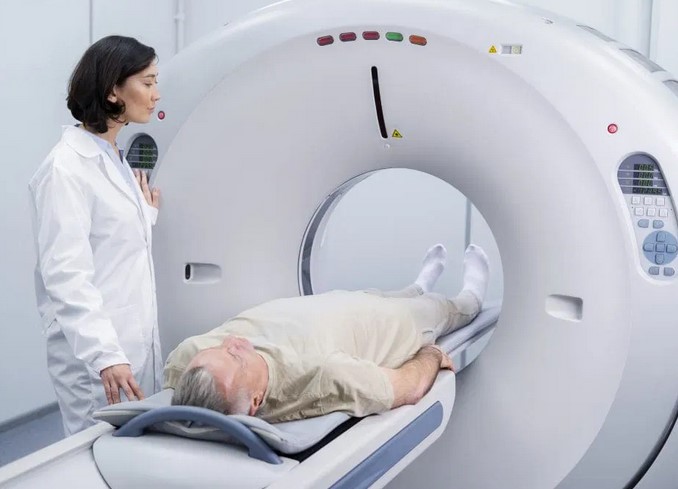
If a doctor finds a suspicious lump, they will likely order a biopsy—taking a tiny tissue sample to examine under a microscope. If the pathology report confirms the presence of malignant (cancerous) cells, a prompt referral to an oncologist is the standard next step.

Pro Tip from the Field: If your primary doctor confirms a cancer diagnosis, do not wait for them to coordinate everything. Ask for a direct referral to an oncologist immediately, and request physical copies of your pathology reports and imaging scans (like CT or MRI logs) to bring with you. Having these in hand can shave weeks off your wait time.

Cancer Symptoms You Should Never Ignore

Here is where my health journalism background intersects with raw clinical reality: fear causes delay, and delay changes outcomes.

Many people ignore subtle warning signs because they are afraid of what an oncologist might say. However, recognizing these symptoms early gives you the upper hand. Think of these symptoms not as a guarantee of cancer, but as your body’s check-engine light.

Unexplained Weight Loss

If you lose more than 5 kilograms (about 10 pounds) in a short period without changing your diet or exercise routine, pay attention. Cancer cells often consume a massive amount of the body’s energy supply, which can drastically alter your metabolism.

Persistent Fatigue That Rest Doesn’t Fix

We are all tired. But clinical fatigue is different. It’s a bone-deep, heavy exhaustion that doesn’t improve after a solid eight hours of sleep or a weekend of resting. If you feel constantly drained for weeks on end, it warrants bloodwork.

Changes in Your Skin or Existing Moles

Skin cancer, including melanoma, is highly treatable if caught early. Keep a close eye on your skin using the ABCDE rule for moles:

  • Asymmetry (one half doesn’t match the other)

  • Border irregularity (edges are ragged or blurred)

  • Color changes (multiple shades of brown, black, or red)

  • Diameter (larger than a pencil eraser)

  • Evolving (changing in size, shape, or color over time)

Chronic Pain or Atypical Lumps

A new, painless lump in the breast, testicles, lymph nodes, or soft tissues should always be evaluated. Additionally, a persistent cough that lasts for more than a month, or ongoing abdominal pain that doesn’t resolve with over-the-counter medicine, needs a deeper look.

Decoding Your First Oncology Appointment

Walking into an oncology clinic for the first time can feel overwhelming. The terminology alone sounds like a foreign language. To help you feel more in control, let’s break down the core concepts your oncologist will discuss during your initial consultation.

Staging and Grading

Before prescribing a treatment plan, your oncologist must determine the cancer staging. This process determines how large the primary tumor is and whether the cancer is localized or has undergone metastasis (spread to other parts of the body).

They will also look at the tumor’s grade, which tells them how aggressive the cells look under a microscope.

Understanding the Treatment Options

Your oncologist will walk you through a personalized treatment roadmap. Depending on your specific diagnosis, this may include:

Treatment Type How it Works Primary Goal
Surgery Physical removal of the tumor Eradicate localized cancer
Chemotherapy Powerful drugs that kill fast-growing cells Destroy systemic cancer cells
Radiation Targeted high-energy beams Shrink tumors and local control
Immunotherapy Boosting your own immune system Helping your body fight the cancer

Hidden Warning: Beware of the “Dr. Google” Trap

As a health writer, I am a huge advocate for patient education. However, there is a dangerous pitfall you must avoid: trying to self-diagnose your symptoms or interpret your pathology reports via search engines.

          [ Internet Search ] ──> Escalates Panic
                 │
                 ▼
    [ Misinterpreted Data ] ──> Causes Delay in Real Care
                 │
                 ▼
[ Better Path: Ask Your Oncologist directly ]

The internet lacks context. A symptom like a persistent cough could be a sign of advanced lung cancer, or it could simply be a case of silent acid reflux or seasonal asthma. When you read unvetted data online, you trigger unnecessary emotional trauma.

Instead, write your questions down in a notebook and present them directly to your oncologist. They have the clinical context of your specific body, your bloodwork, and your scans.

Your Next Steps: Taking Control of Your Health

If you or a loved one are experiencing persistent, unusual symptoms, or if you’ve recently received abnormal lab results, please remember that knowledge is power, and action is your best medicine.

Do not let fear keep you from seeking clarity. Reach out to your primary care physician this week, discuss your symptoms openly, and explicitly ask if a consultation with an oncologist is appropriate for your situation.

Have you or someone close to you ever had to navigate a referral to a specialist? What helped you stay calm during the wait? Share your thoughts and experiences in the comments below—your story might just provide the comfort and courage someone else needs to read today.

The Importance of Dental Checkups: Keeping Your Smile Healthy

Source:https://img.freepik.com

Most people view the dentist’s chair as a place of “last resort”—a destination only visited when a toothache becomes so unbearable that it overrides the fear of the drill. In my decade of writing for the health sector and observing clinical trends, I’ve seen this reactive approach lead to more heartbreak (and “wallet-break”) than almost any other health habit.

Think of your mouth as the front door to your entire body’s health. If the hinges are rusting and the lock is broken, it’s only a matter of time before the rest of the house feels the draft. In this deep dive, we’re going to peel back the layers on why dental checkups are far more than just a quick polish and a “see you in six months.”


Why We Wait Until It Hurts (and Why That’s a Mistake)

I’ve sat through countless interviews with periodontists who all say the same thing: Enamel does not have nerve endings. By the time you actually feel pain in a tooth, the “enemy” has already breached the outer fortress.

If you wait for pain, you aren’t looking for a checkup; you’re looking for a rescue operation. Regular dental checkups are designed to catch the silent whispers of decay before they turn into the screams of an abscess. In the medical world, we call this “asymptomatic progression.” In the real world, we call it a “sneaky bill.”

The “Car Maintenance” Analogy

Imagine never changing the oil in your car because “it’s still driving fine.” You might save $50 today, but you are guaranteeing a $5,000 engine failure down the road. Dental checkups are your oil changes. Scaling and polishing are the tune-ups that prevent your “engine” (your jawbone and teeth) from seizing up.


The Anatomy of a Professional Dental Checkup

A common misconception among beginners is that a dentist just looks for cavities. While that’s part of it, a comprehensive exam is much more “CSI” than you might think. Here is what is actually happening while you’re staring at those fluorescent ceiling tiles:

1. The Oral Cancer Screening

This is perhaps the most critical part of the visit that patients never notice. We practitioners are trained to look for soft tissue irregularities—discoloration, lumps, or asymmetrical patches on the tongue and throat. Early detection in this area is quite literally a lifesaver.

2. Periodontal Probing (The Depth Check)

Have you ever heard your dentist shout out numbers like “2, 3, 2, 4” to the assistant? They are measuring the “pockets” between your gums and teeth.

  • 1-3mm: You’re a superstar.

  • 4mm+: We’re entering the “danger zone” of gingivitis or periodontitis.

    These numbers tell us if your bone structure is receding, which is the primary cause of tooth loss in adults.

3. Plaque vs. Tartar (Calculus)

Here is an insider insight: You cannot brush away tartar. Plaque is the soft, sticky film you can remove with floss. However, once it mineralizes into tartar, it becomes as hard as concrete. Only ultrasonic scalers and professional tools used during dental checkups can vibrate that “concrete” off your teeth without damaging the enamel.


The Systemic Connection: Your Mouth and Your Heart

One of the most fascinating developments in health research over the last decade is the Oral-Systemic Link. As a health writer, I’ve spent years tracking studies that connect chronic oral inflammation to systemic issues.

  • Cardiovascular Health: Bacteria from infected gums can enter the bloodstream, contributing to the inflammation of arteries.

  • Diabetes Management: It is a two-way street. Gum disease can make it harder to control blood sugar, and high blood sugar makes it harder for the body to fight mouth infections.

  • Pregnancy Complications: There is a documented link between severe gum disease and low birth weight or preterm births.

When you skip your dental checkups, you aren’t just risking a cavity; you are potentially ignoring a trigger for systemic inflammation.


Modern Technology in the Dentist’s Office

If your last memory of the dentist involves sharp metal hooks and scary X-ray films, you’ll be happy to know the industry has evolved.

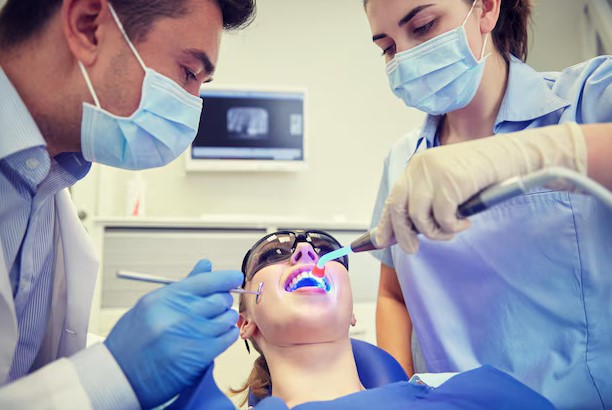
  • Intraoral Cameras: These allow us to show you exactly what we see on a high-def screen. It’s hard to ignore a crack in your molar when it’s magnified 40x in front of your face.

  • Digital X-rays: These use significantly less radiation than traditional film and provide instant results, allowing for a more precise diagnosis of what’s happening beneath the gum line.

  • AI-Assisted Diagnostics: Some modern clinics now use AI software to scan X-rays, catching microscopic decay that the human eye might overlook during a busy day.


Pro Tips: Getting the Most Out of Your Visit

To move from a beginner to an intermediate “health-conscious” patient, you need to change how you interact with your dental professional.

💡 Pro Tip: The “Bleeding Truth”

If your gums bleed when you floss, do not stop flossing. Bleeding is a sign of inflammation, not injury. It means you need to floss more consistently to clear out the bacteria causing the swelling. Mention this specifically during your dental checkups so the hygienist can check for deep-seated tartar in that area.

⚠️ The “White Tooth” Myth

Just because your teeth are white doesn’t mean they are healthy. Many people use abrasive whitening charcoal or pastes that strip enamel. You can have a “Hollywood smile” while simultaneously suffering from stage 2 gum disease. Health is found in the pink (gums), not just the white (teeth).


Overcoming “Dental Anxiety”

If the sound of the tools makes your heart race, you aren’t alone. Approximately 36% of the population deals with dental anxiety.

My advice? Be vocal. Modern dentistry has “Sleep Dentistry” (Sedation) and “Comfort Menus” (weighted blankets, noise-canceling headphones). A good dentist would much rather spend 10 minutes calming your nerves than have you skip your dental checkups for five years and end up needing an emergency root canal.


The Financial Reality of Prevention

Let’s talk numbers. A standard dental checkup and cleaning might cost you a modest amount (or be entirely covered by insurance).

In contrast:

  • A Filling costs 3x-5x more.

  • A Root Canal and Crown can cost 20x-30x more.

  • A Dental Implant to replace a lost tooth can cost 50x more.

From a purely financial standpoint, preventive care is the highest-return investment you can make. It is the only “insurance policy” where you get to keep your natural body parts.


Conclusion: Your Six-Month Reset

Your smile is a masterpiece, but it’s a living one. It requires constant maintenance to withstand the acids, bacteria, and physical wear-and-tear of daily life. Regular dental checkups aren’t a chore; they are a vital “reset button” for your oral microbiome.

I’ve seen patients transform their confidence simply by getting their gum health under control. When your mouth feels clean and healthy, you breathe easier—literally and figuratively.

When was the last time you sat in the chair? Don’t wait for the “lightning bolt” of a toothache to strike. Call your clinic today and schedule that cleaning. Your future self (and your heart) will thank you.

Do you have a specific question about what happens during a cleaning or how to choose the right dentist? Drop a comment below or share your best tip for keeping your gums healthy between visits!

Essential Oils for Health: Natural Remedies for Common Ailments

Source:https://health.osu.edu

You’re staring at a spreadsheet at 4:00 PM, your temples are throbbing, and that familiar, sharp tension is creeping down your neck. You reach for the bottle of ibuprofen, but then you pause. What if the solution wasn’t a pill, but a concentrated drop of botanical intelligence? Interestingly, nearly 75% of global pharmaceutical drugs are derived from plant precursors, proving that nature has always been our primary laboratory.

In my decade of writing for health clinics and exploring integrative medicine, I’ve seen Essential Oils for Health transition from “scented hobbies” to serious therapeutic tools. I remember my first trip to a distillery in Provence, watching a literal mountain of lavender being steamed down into a tiny vial of oil. That was the moment I realized these aren’t just “smells”—they are the highly concentrated “immune systems” of the plants themselves.

Today, we’re going beyond the diffuser. We’re doing a deep dive into how you can use these volatile organic compounds to manage everyday ailments, supported by both ancestral wisdom and modern chemistry.

1. The “Chemical Keyhole” Analogy: How Oils Interact with Your Body

To understand Essential Oils for Health, you have to understand how they enter your system. Think of your body’s cells like a house with locked doors. Most synthetic medicines are like a giant battering ram—they get in, but they can be messy.

Essential oils, because they are lipophilic (fat-soluble), act more like a master key. Their tiny molecular weight allows them to slip through the cellular membrane or travel via the olfactory bulb directly to the limbic system—the emotional and hormonal control center of your brain. Within 20 minutes of topical application, many of these compounds can be found in your bloodstream.

2. The Big Three: Essential Oils Every Home Should Have

In ten years of practice, I’ve found that 80% of common household ailments can be addressed by just three specific oils. If you are a beginner, start your “natural pharmacy” here.

Lavender (Lavandula angustifolia): The Swiss Army Knife

Lavender is much more than a sleep aid. Its high content of Linalool and Linalyl Acetate gives it profound sedative and anti-inflammatory properties.

  • Best for: Minor burns, anxiety, insomnia, and insect bites.

  • The Insight: Not all lavender is equal. If the bottle says Lavandula latifolia, it will actually be stimulating. Always look for the Latin name to ensure you’re getting the “calming” variety.

Peppermint (Mentha piperita): The Natural Stimulant

Peppermint is a powerhouse of Menthol. When used correctly, it acts as a vasoconstrictor, which is why it feels so cooling on the skin.

  • Best for: Tension headaches, digestive upset (IBS), and mental fatigue.

  • LSI Term: It acts as a natural antispasmodic, helping to relax the smooth muscles of the gut.

Tea Tree (Melaleuca alternifolia): The Antiseptic Warrior

This oil was used by Australian soldiers in WWII as a standard-issue disinfectant. It contains over 90 different compounds, primarily Terpinen-4-ol.

  • Best for: Acne, fungal infections (athlete’s foot), and immune support.

  • LSI Term: It possesses broad-spectrum antimicrobial activity against bacteria, viruses, and fungi.

3. Advanced Applications: Managing Common Ailments

Now that we have our toolkit, let’s look at how to apply Essential Oils for Health to specific issues.

For Respiratory Relief and Congestion

When you’re congested, your airways are inflamed and filled with mucus. Oils like Eucalyptus and Rosemary contain 1,8-Cineole (Eucalyptol).

  • The Method: Add 2 drops to a bowl of steaming water, cover your head with a towel, and inhale. This acts as an expectorant, thinning the mucus so your body can clear it.

For Muscle Soreness and Joint Pain

If you’ve overdone it at the gym or suffer from chronic stiffness, look for oils with Methyl Salicylate, like Wintergreen or Birch.

  • The Method: Blend these with a carrier oil (like jojoba or fractionated coconut oil). The oil increases blood flow to the area, a process called hyperemia, which speeds up tissue repair.

For Digestive Harmony

If you struggle with bloating after a heavy meal, Ginger and Fennel oils are your best friends.

  • The Method: Rub a diluted mixture in a clockwise motion over your abdomen. The molecules penetrate the skin to help stimulate peristalsis (the wave-like motion of your intestines).

💡 Pro Tip: The “Test Patch” Rule

In my decade of writing, the most common injury I see isn’t from the oil itself, but from improper use. Never apply a new oil to a large area of your body without a test patch on your inner forearm. Wait 24 hours. Sensitization can happen to anyone, even with “gentle” oils like Lavender.

4. The Science of Dilution: Why “Neat” is Not Neat

A common mistake for beginners is applying oils “neat” (undiluted). Because Essential Oils for Health are so concentrated—it takes about 250 pounds of peppermint leaves to make just one pound of oil—using them straight can cause chemical burns or long-term sensitization.

The Carrier Oil Guide

A Carrier Oil isn’t just a “diluter”; it’s a delivery vehicle.

  • 1% Dilution (6 drops per ounce): Best for children, the elderly, or facial applications.

  • 2% Dilution (12 drops per ounce): The “sweet spot” for daily body use and massage.

  • 5% Dilution (30 drops per ounce): Used for short-term localized issues like a sprained ankle.

5. Identifying Quality: Don’t Fall for “Therapeutic Grade”

Here is an insider secret: “Therapeutic Grade” is a marketing term, not a medical certification. There is no global governing body that grades essential oils.

How to spot the real deal:

  1. Dark Glass Bottles: Oils are light-sensitive and will degrade in clear or plastic bottles.

  2. Latin Name: The bottle must list the genus and species.

  3. Country of Origin: Soil chemistry (Terroir) changes the chemical profile of the oil.

  4. GC/MS Testing: Reputable companies provide Gas Chromatography/Mass Spectrometry reports, which prove the oil is pure and free from synthetic fillers.

6. LSI Keywords and Safety Vocabulary

To use oils effectively, you must understand these technical terms:

  • Phototoxicity: Some oils (like Lemon or Bergamot) react to UV light. Applying them before sun exposure can cause severe blistering.

  • Volatile: This means the oil evaporates quickly at room temperature—which is why you must keep the lids tight!

  • Adulteration: The practice of thinning expensive oils with cheaper synthetics.

  • Synergy: A blend of two or more oils that are more effective together than they are individually.


The Ingestion Myth

Here is a “Hidden Warning” that is often ignored on social media: Do not ingest essential oils unless under the direct supervision of a clinical aromatherapist or medical doctor.

The Danger: Just because an oil comes from a plant doesn’t mean it’s safe for your mucous membranes. Some oils, like Oregano, are so caustic they can damage the lining of the esophagus and stomach over time. Furthermore, your liver has to process these concentrated compounds, which can lead to hepatotoxicity if overused. Inhalation and topical application are almost always safer and more effective for daily care.


Summary: Embracing Your Botanical Intelligence

Integrating Essential Oils for Health into your life is about reclaiming a piece of our human history. These are the tools our ancestors used to stay resilient long before the first pharmacy was built. By understanding the chemistry, respecting the potency, and choosing quality over convenience, you can transform your home into a sanctuary of natural healing.

Start small. Maybe tonight, instead of scrolling until you pass out, you’ll put a drop of Lavender on your pillow and experience the science of scent for yourself.

What’s in your “Natural First Aid” kit?

We all have that one ailment that seems to follow us around—whether it’s seasonal allergies, a picky stomach, or afternoon brain fog.

I’d love to hear from you: Which oil has been a “game-changer” for your daily health? Or, if you’re a beginner, which common ailment are you most interested in treating naturally? Drop a comment below—let’s swap recipes for a healthier, more aromatic life!

Managing Mood Disorders: Approaches to Enhance Emotional Well-Being

Source:https://www.honeylake.clinic

Imagine you are standing on a shoreline. For most people, the waves of emotion come in and out predictably—a splash of joy here, a ripple of sadness there. But for someone living with Mood Disorders, it feels like being tethered to a buoy in the middle of a hurricane. One moment you are thrust into the blinding light of a manic peak, and the next, you are dragged into a crushing, silent trench where the very idea of “hope” feels like a foreign language.

In my decade of writing for health clinics and interviewing psychiatric pioneers, I’ve learned that these conditions are not “character flaws” or “bad days.” They are complex physiological events. I remember a young man named Leo who told me, “I don’t want to be ‘happy’—I just want the weather inside my head to stop changing so violently.”

That conversation stayed with me because it highlights the true goal of treatment. Managing Mood Disorders isn’t about forced positivity; it’s about finding stability. Today, we’re going to look at the science, the strategies, and the personal shifts required to calm the storm and reclaim your emotional baseline.

1. The “Thermostat” Analogy: What is a Mood Disorder?

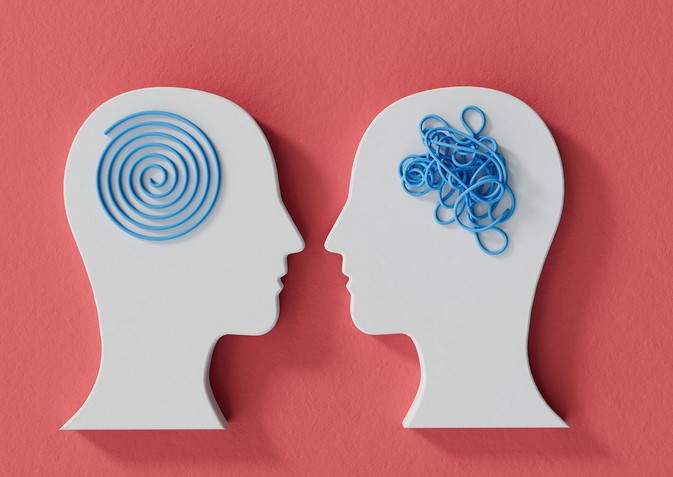
To understand how to manage your emotions, you have to understand the hardware. Think of your brain’s emotional regulation system like a household thermostat.

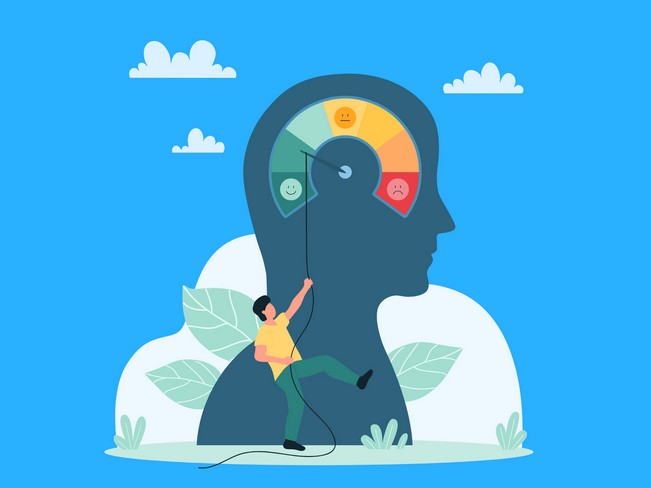
In a healthy system, if the “room” gets too cold (sadness), the heater kicks on. If it gets too hot (excitement), the AC brings it back to room temperature. When you live with Mood Disorders, the thermostat is broken. It might get stuck at 100°F (Mania or Hypomania) or plummet to 30°F (Major Depressive Disorder) regardless of what’s happening in the outside world.

The Biological “Spark”

This isn’t just “all in your head.” From a technical perspective, we are looking at a dysregulation of Neurotransmitters—the chemical messengers like Serotonin, Dopamine, and Norepinephrine. When these chemicals aren’t firing correctly, the “thermostat” loses its ability to regulate, leading to the highs and lows of Bipolar Disorder or the persistent heaviness of Dysthymia.

2. The Multi-Pillar Approach to Emotional Stability

In my ten years in the field, I’ve never seen a “magic bullet” for mental health. The most successful approaches are always multi-modal. You have to attack the disorder from the biological, psychological, and lifestyle angles simultaneously.

Pharmacological Intervention: The Chemical Floor

For many, medication is the “floor” that prevents them from falling into the basement.

  • Selective Serotonin Reuptake Inhibitors (SSRIs): These help keep more serotonin available in the brain to improve mood and sleep.

  • Mood Stabilizers: Often used for Bipolar Disorder to prevent the “highs” from becoming dangerous and the “lows” from becoming debilitating.

  • Insight: I’ve seen many patients quit their meds because they “feel better.” Pro Tip: Feeling better is proof the medication is working, not proof that you no longer need it. Always consult your provider before adjusting your “chemical floor.”

Psychotherapy: Rewiring the Software

While medication handles the hardware, therapy handles the software.

  • Cognitive Behavioral Therapy (CBT): This helps you identify “cognitive distortions”—those sneaky, lying thoughts that tell you “nothing will ever get better.”

  • Dialectical Behavior Therapy (DBT): Excellent for those who experience intense emotional volatility, focusing on Mindfulness and Distress Tolerance.

3. Lifestyle Architecture: Building a “Protective Shield”

If your brain is already struggling to regulate itself, your daily habits can either be a “shield” or a “trigger.” During my observations, I’ve seen that Mood Disorders are incredibly sensitive to circadian disruptions.

  • Sleep Hygiene: Sleep deprivation is the number one trigger for manic episodes. Keeping a strict wake/sleep cycle is a non-negotiable part of Managing Mood Disorders.

  • Nutritional Neuroscience: Avoiding spikes and crashes in blood sugar is vital. A diet rich in Omega-3 fatty acids (found in salmon or walnuts) has been technically shown to support brain cell membrane health.

  • Exercise as an Anchor: Cardiovascular exercise increases BDNF (Brain-Derived Neurotrophic Factor), which acts like “Miracle-Gro” for your brain cells, helping them repair and form new connections.

💡 Pro Tip: The “Early Warning System”

Start keeping a Mood Journal. Often, a shift in mood is preceded by subtle changes: a sudden burst of late-night cleaning, a change in appetite, or “pressured speech.” If you can catch the “flicker” before the “fire,” you can adjust your strategy (and call your doctor) before a full-blown episode takes hold.

4. The Social Connection: Moving Beyond Isolation

Depression wants you alone. Mania wants you impulsive. Both of these states thrive in isolation. One of the most effective Mood Disorders approaches involves building a “Support Architecture.”

  • Psychoeducation: Teaching your friends and family what your symptoms look like so they can help you spot them.

  • Peer Support Groups: There is a profound healing in realizing that your “weird” thoughts are actually common symptoms of your condition.

  • Professional Boundaries: Learning to say “no” to high-stress commitments that threaten your emotional equilibrium.

5. Navigating the “Bipolar Spectrum” and Co-Occurring Conditions

It is rare for a mood disorder to travel alone. In my decade of writing, I’ve found that many people also struggle with Comorbidities like anxiety or ADHD.

Managing Mood Disorders effectively requires a clinician who looks at the whole picture. If you treat the depression but ignore the underlying anxiety, the “storm” will keep returning. This is why a comprehensive Psychiatric Evaluation is the first step for any beginner—it ensures you are treating the right “weather pattern.”

The “Self-Medication” Trap

A hidden warning I always share: Be extremely wary of using alcohol or substances to “dampen” the intensity of your mood.

The Danger: Alcohol is a central nervous system depressant. While it might help you sleep or “numb” a manic high in the short term, it creates a “rebound effect” that makes the next low much deeper and the next high more unstable. It also interferes with the efficacy of nearly all psychiatric medications. You cannot stabilize a thermostat by pouring gasoline on it.

6. LSI Keywords for Deeper Context

For those navigating this niche, mastering these terms will help you communicate better with your healthcare team:

  • Anhedonia: The inability to feel pleasure in things you once loved.

  • Rapid Cycling: Experiencing four or more mood episodes within a year.

  • Euthymia: A normal, non-depressed, reasonably positive state of mind.

  • Neuroplasticity: The brain’s ability to reorganize itself by forming new neural connections throughout life.

Summary: Building Your Resilient Future

Managing Mood Disorders is not about achieving a state of “perfection.” It is about narrowing the gap between the peaks and the valleys. It’s about building a life where your emotions inform you, but they no longer control you.

By combining the right Pharmacological support with Cognitive tools and a rock-solid Routine, you are doing the hard work of “fixing the thermostat.” It takes time, and there will be setbacks, but the goal—emotional well-being—is worth every ounce of effort.

What does your “Green Zone” look like?

When your mood is stable and you feel like yourself, what are you doing? Who are you with? Understanding your “stable self” is the first step toward getting back there.

I’d love to hear from you: What is the one small habit that helps you stay grounded when the “internal weather” starts to shift? Or, if you’re just starting your journey, what is the biggest question you have about finding the right support?

Drop a comment below—let’s talk about building a more stable, supportive world together!

Pain Management Treatments: Options for Relieving Chronic Pain

Source:https://www.spinecare.co.in

It’s 3:00 AM, and you’re staring at the ceiling. You’ve already tried the heating pad, the extra-strength ibuprofen, and that weird stretching routine you found on YouTube. Yet, the dull, throbbing ache in your lower back—the one that has been your unwanted companion for six months—refuses to leave. If this sounds familiar, you aren’t alone; over 20% of adults globally live with chronic pain, making it the leading cause of disability and skyrocketing healthcare costs.

In my twelve years as a health writer, I’ve sat in rooms with pain specialists and patients who felt they had reached the end of their rope. I remember a woman named Maria who told me, “I don’t need to be a marathon runner; I just want to pick up my grocery bags without crying.” That’s the reality of chronic pain—it’s not just a physical sensation; it’s a thief that steals your quality of life.

Today, we are moving beyond the “take a pill and call me in the morning” era. Pain Management Treatments have evolved into a sophisticated, multi-modal discipline. Let’s dive deep into the options that actually work, from the pharmacy shelf to the cutting edge of neurotechnology.

1. The “Faulty Alarm” Analogy: Understanding Chronic Pain

To treat pain, you must understand what it actually is. Think of acute pain (like a bee sting) as a smoke detector. It screams to tell you there’s a fire. You put the fire out, and the alarm stops.

Chronic pain is different. It’s like a faulty alarm system that keeps blaring even though the fire was extinguished months ago. The nerves have become “sensitized,” firing signals to the brain out of habit. Effective Pain Management Treatments aren’t just about “fixing the fire”; they are about recalibrating the alarm system so you can live in peace again.

2. Pharmacological Foundations: Moving Beyond Opioids

For a long time, the medical world leaned too heavily on a single tool. Today, we know that a “cocktail” approach is often safer and more effective.

Non-Steroidal Anti-Inflammatory Drugs (NSAIDs)

These are your front-line soldiers. They work by blocking enzymes (COX-1 and COX-2) that produce prostaglandins, the chemicals that signal pain and cause inflammation.

  • Best for: Arthritis, muscle aches, and inflammatory conditions.

Adjuvant Medications: The “Off-Label” Heroes

In my decade in this field, I’ve seen many patients confused when a doctor prescribes an anti-depressant or an anti-seizure med for back pain.

  • The Insight: Medications like Gabapentin or Duloxetine aren’t being used because you’re “depressed.” They are used because they chemically dampen the overactive electrical signals in “sensitized” nerves. This is often the missing piece for Neuropathic Pain.

3. Physical and Interventional Procedures: Direct Action

When pills aren’t enough, we look at interventional Pain Management Treatments that target the source.

Epidural Steroid Injections (ESI)

If you have a herniated disc, a specialist might inject an anti-inflammatory steroid directly into the space around your spinal nerves. It’s like putting a fire extinguisher right on the embers rather than spraying the whole house.

Nerve Blocks and Radiofrequency Ablation (RFA)

For chronic joint or back pain, doctors can use “Nerve Blocks” to temporarily numb a specific nerve. If it works, they may perform Radiofrequency Ablation, which uses heat to “turn off” the nerve’s ability to send pain signals for 6 to 12 months.

Physical Therapy: The “Movement is Medicine” Pillar

As a health writer, I’ve interviewed countless PTs, and they all say the same thing: Passive treatments (massage, heat) are the appetizer; active movement is the main course. PT builds the “scaffolding” (muscles) around your joints to take the pressure off the sensitive areas.

💡 Pro Tip: The “Central Sensitization” Check

If you find that even a light touch or a cool breeze feels painful (a condition called Allodynia), your pain has likely moved into “Central Sensitization.” In this case, traditional physical treatments might flare you up. You need a specialist who focuses on “Pain Neuroscience Education” to help your brain feel safe again before you start lifting weights.

4. Complementary and Integrative Medicine: The Mind-Body Connection

We can no longer ignore the psychological component of pain. The brain’s limbic system (emotional center) is directly wired to how we perceive physical signals.

  • Cognitive Behavioral Therapy (CBT): This helps you identify “catastrophizing” thoughts (e.g., “My back will never get better”). By changing the thought, you can actually lower the intensity of the physical signal.

  • Acupuncture: From a technical perspective, acupuncture is thought to stimulate the release of Endorphins (the body’s natural painkillers) and affect blood flow.

  • Mindfulness-Based Stress Reduction (MBSR): I’ve seen incredible data showing that daily meditation can “shrink” the parts of the brain associated with chronic pain processing.

5. Cutting-Edge Tech: Neuromodulation and Beyond

For those who have tried everything else, we are entering the age of Neuromodulation.

Spinal Cord Stimulators (SCS)

Think of this as a “pacemaker for pain.” A small device is implanted under the skin that sends mild electrical pulses to the spinal cord. These pulses interfere with the pain signals before they reach the brain, replacing the ache with a gentle tingling sensation (or, in newer models, no sensation at all).

Bio-Electronic Medicine

We are seeing the rise of wearable devices that use TENS (Transcutaneous Electrical Nerve Stimulation) but with much smarter algorithms that adapt to your specific pain patterns throughout the day.


The “Quick Fix” Mirage

Here is a “Hidden Warning” from someone who has analyzed a decade of clinical trials: Beware of any clinic that promises a 100% “cure” for chronic pain with a single expensive procedure.

The Reality: Chronic pain management is almost always a “stacked” strategy. It requires a combination of movement, psychological tools, and medical intervention. If a treatment sounds like a “magic bullet,” it’s likely just good marketing. Effective recovery is a marathon, not a sprint, and it requires a dedicated Pain Management Treatments plan tailored to your specific biology.


6. LSI Keywords and Technical Vocabulary to Know

When discussing options with your doctor, using these terms will help you get better results:

  • Nociceptive Pain: Pain caused by actual tissue damage (cuts, burns, fractures).

  • Neuropathic Pain: Pain caused by a malfunctioning nervous system (shingles, sciatica, diabetic neuropathy).

  • Multimodal Analgesia: Using multiple types of pain relief at once to reduce side effects from any one drug.

  • Bio-Psycho-Social Model: The modern standard of treating pain by looking at biology, psychology, and social factors together.

Summary: Reclaiming Your Narrative

The goal of Pain Management Treatments isn’t just a “zero” on the pain scale—though that would be nice. The goal is functional restoration. It’s about Maria being able to carry those groceries. It’s about you being able to sleep through the night and attend your daughter’s graduation without a folding chair.

By understanding that pain is a complex signal involving your nerves, your brain, and your environment, you can stop fighting a losing battle and start using a strategic toolkit. You are not “broken”; your alarm system is just tuned too high.

What does “relief” look like for you?

We often focus on what we can’t do because of pain. I want to flip the script.

I’d love to hear from you: If your pain levels were cut in half tomorrow, what is the very first thing you would do? Is it a hobby you’ve put on the shelf, or a place you’ve wanted to visit? Drop a comment below and let’s talk about how to get you back to the things you love.

AI-Powered Diagnostics: The Future of Healthcare Technology

Source:https://images.forbesindia.com

Imagine a world-class radiologist who never sleeps, never gets distracted by a morning headache, and has memorized every medical image ever taken in human history. Now, imagine that this expert can “see” a tumor the size of a grain of sand buried deep within a complex lung scan in less than a second. This isn’t science fiction; it’s the reality of modern triage in some of our most advanced hospitals today.

In my decade of covering health tech, I’ve sat in labs where “early detection” used to mean months of waiting and uncertainty. I remember speaking with a technician in 2016 who spent hours manually circling suspicious shadows on X-rays. Fast forward to 2026, and I’ve watched that same process happen near-instantaneously through AI-Powered Diagnostics.

The shift isn’t just about speed; it’s about shifting our entire healthcare philosophy from “reactive” (fixing what is broken) to “predictive” (preventing the break). Let’s peel back the curtain on how artificial intelligence is becoming the most important tool in a doctor’s kit.

1. The “Extra Set of Eyes” Analogy: How AI Actually Works

To understand AI-Powered Diagnostics, we have to move past the “Terminator” Hollywood tropes. In the clinic, AI doesn’t act like a robot doctor; it acts like a high-powered magnifying glass with a memory.

Think of a “Where’s Waldo?” book. A human might take a few minutes to find Waldo because our eyes get tired and the red-and-white stripes start to blur. An AI system, however, has been trained on billions of pictures of Waldo. It doesn’t “look” at the page; it mathematically identifies the specific pattern of Waldo’s shirt instantly.

In medical terms, this is called Computer-Aided Detection (CAD). Whether it’s a skin lesion, a retinal scan, or a complex MRI, the AI is looking for patterns that are too subtle for the human eye to consistently catch.

2. The Pillars of AI-Powered Diagnostics in 2026

We are seeing AI impact three major “theaters” of healthcare. Understanding these will help you navigate the next time you visit a specialist.

A. Medical Imaging and Radiology

This is the “gold standard” for AI-Powered Diagnostics. By using Deep Learning algorithms, software can now analyze CT scans for signs of stroke or hemorrhage with higher accuracy than an exhausted resident on a 24-hour shift.

  • The Goal: Reducing the “Time to Treatment.”

  • LSI Term: This often utilizes Convolutional Neural Networks (CNNs), a specific type of AI designed to process visual data.

B. Pathology and Lab Results

Traditionally, a pathologist looks at tissue samples under a microscope. It’s slow and subjective. Today, digital pathology platforms use AI to count cancerous cells and grade their aggressiveness. This leads to Precision Medicine, where your treatment is tailored to the exact “fingerprint” of your disease.

C. Predictive Analytics and Wearables

The fitness tracker on your wrist is now a diagnostic tool. By monitoring Heart Rate Variability (HRV) and sleep patterns, AI can predict if you are getting sick days before you feel a single symptom. This is the “smoke detector” of the human body.

3. Beyond the Hype: The Human-AI Partnership

I often hear the concern: “Will AI replace my doctor?” In my 10 years in this field, I’ve seen the exact opposite. AI is a liberator.

When AI handles the mundane task of sorting through thousands of normal “healthy” scans, it frees up the doctor to focus on the complex, edge-case patients who need human intuition. We call this Augmented Intelligence. The AI provides the data; the doctor provides the empathy, the context, and the final decision.

💡 Pro Tip: The “Second Opinion” Strategy

If you are ever faced with a complex diagnosis based on imaging (like a biopsy or an MRI), don’t be afraid to ask: “Was this scan processed through an AI triage system?” Many modern clinics use AI to flag “high-priority” results. Knowing that your case was dual-verified by both a human and an algorithm can provide an extra layer of peace of mind.

4. Addressing the “Black Box” Problem and Algorithmic Bias

We have to be honest about the hurdles. One of the biggest challenges in AI-Powered Diagnostics is what we call the “Black Box” Problem. Sometimes, an AI can tell that a patient is sick, but it can’t explain why it reached that conclusion.

Furthermore, if an AI is trained only on data from one specific demographic, it might struggle to accurately diagnose people of different ethnicities or ages. This is why Data Diversity is the hottest topic in health tech right now. We are working hard to ensure that the “Future of Healthcare” is a future that works for everyone, regardless of their background.

5. The Technical Edge: Natural Language Processing (NLP)

It’s not just about images. A huge part of AI-Powered Diagnostics involves Natural Language Processing (NLP). This technology “reads” through millions of disorganized medical records, doctor’s notes, and lab reports to find hidden connections.

For example, an NLP system might notice that five different patients who all saw different doctors are exhibiting a rare combination of symptoms after taking the same medication. This helps us catch Adverse Drug Reactions and rare diseases months—or even years—sooner than we previously could.

6. The Future: From Clinics to Your Kitchen Table

Within the next few years, I predict we will see AI-Powered Diagnostics move from the hospital into the home. We are already seeing “Smart Toilets” that analyze waste for signs of kidney issues and smartphone apps that can detect anemia just by looking at a photo of your fingernails.

This democratization of data means that you won’t have to wait for an annual checkup to know if something is wrong. You will have a “Digital Health Guardian” watching over you 24/7.


 The Rise of “Cyberchondria”

Here is a “Hidden Warning” from someone who has seen the data: More data does not always mean more health.

The Danger: As diagnostic tools become available on our phones, there is a risk of “Cyberchondria”—the anxiety caused by misinterpreting AI-generated “risk scores.” An AI might tell you that you have a “3% increased risk” for a condition, which sounds scary but is statistically insignificant.

Expert Advice: Never use a consumer-grade AI app to self-diagnose. Use it as a conversation starter with a qualified medical professional. The tool is meant to facilitate a doctor’s visit, not replace it.


Summary: A New Era of Hope

AI-Powered Diagnostics is the bridge between our current “wait and see” healthcare system and a future where diseases are caught before they ever cause pain. By combining the cold, hard calculating power of machine learning with the warm, experienced intuition of human doctors, we are entering a golden age of longevity.

We are moving toward a world where a “late-stage” diagnosis becomes a relic of the past. It is an inspiriting time to be involved in health, and an even better time to be a patient.

Are you ready to trust the algorithm?

Technology is moving faster than our comfort levels sometimes allow. Some find the idea of a machine analyzing their body terrifying, while others find it liberating.

I want to hear from you: If a highly accurate AI told you that you were likely to develop a condition in five years, would you want to know? Or do you prefer the traditional “wait for symptoms” approach? Drop a comment below and let’s discuss the ethics of this digital frontier!

Choosing the Best Digital Fitness Trackers for Your Health Goals

Source:https://cdn.thewirecutter.com

Imagine standing in the electronics aisle, staring at a wall of sleek, glowing wristbands. One promises to read your stress levels, another claims to track your REM sleep, and a third insists it can predict your recovery time after a workout. You check your phone, only to see an ad for a smart ring that does it all without a screen. It’s overwhelming, isn’t it? You just wanted to move a bit more, but now you feel like you need a PhD in data science just to buy a watch.

In my twelve years as a health writer and fitness tech consultant, I have strapped nearly a hundred different Digital Fitness Trackers to my wrists, fingers, and chest straps. I’ve seen the industry evolve from simple pedometers that counted “steps” (even when you were just waving your hand) to sophisticated biometric laboratories that live on your skin.

What I’ve learned is a truth the marketing teams won’t tell you: The most expensive tracker is not the best one. The “best” tracker is the one that actually changes your behavior without making you feel like a slave to the data. Let’s cut through the noise and find the right tool for your specific journey.

1. The “Dashboard” Analogy: Why We Use Fitness Tech

Think of your body as a high-performance vehicle. You can drive it without a dashboard—you’ll still get where you’re going—but you won’t know if your engine is overheating or if you’re about to run out of fuel.

Digital Fitness Trackers serve as your body’s dashboard. They don’t do the “driving” (the exercise) for you, but they provide the real-time feedback—like Heart Rate Variability (HRV) or oxygen saturation (SpO2)—that tells you when to push harder and when to pull over for a rest.

2. Matching the Tracker to Your Unique Archetype

Before looking at brands, you must identify your goal. In my experience, most users fall into three categories. Matching your tracker to your “type” prevents you from overpaying for features you will never use.

The Lifestyle Optimizer (Beginner)

If your goal is general wellness—hitting 10,000 steps, improving sleep quality, and managing stress—you don’t need a $600 sapphire-glass sports watch.

  • Focus: Step counting, basic sleep stages, and Sedentary Reminders.

  • Best Fit: Sleek, lightweight bands like the Fitbit Luxe or the Xiaomi Mi Band series. These are “set it and forget it” devices.

The Performance Athlete (Intermediate)

If you are training for a 10K, a triathlon, or a powerlifting meet, you need accuracy in the high-intensity zones.

  • Focus: VO2 Max estimation, GPS accuracy for pace/distance, and recovery metrics.

  • Best Fit: Brands like Garmin or Polar. These devices prioritize Optical Heart Rate (OHR) sensors that can handle the sweat and movement of a vigorous workout.

The Health Monitor (Metric-Focused)

Perhaps you are managing a condition like hypertension or simply want to dive deep into your longevity markers.

  • Focus: ECG (Electrocardiogram) capabilities, blood pressure trends, and skin temperature.

  • Best Fit: The Apple Watch Series or the Oura Ring. These devices lean heavily into medical-grade sensors and lifestyle integration.

3. The Technical Pillars: What’s Under the Hood?

When you read a spec sheet for Digital Fitness Trackers, certain terms act as a seal of quality. If a device doesn’t mention these, proceed with caution.

  • PPG (Photoplethysmography): This is the green light on the back of your tracker. It measures blood flow to determine your heart rate. Higher-end trackers use multiple green and infrared lights for better accuracy across different skin tones.

  • 3-Axis Accelerometer: This determines movement. It’s the reason your watch knows you’re walking and not just brushing your teeth.

  • Bioimpedance Sensors: Often found in high-end scales or advanced wearables, these measure body composition or skin conductance to track stress (EDAs).

4. The “Sleep Data” Trap: Accuracy vs. Insight

One observation I’ve made over the years is that people get obsessed with their “Sleep Score.” I once worked with a client who became so anxious about her “Poor” sleep score on her tracker that the anxiety actually caused her to sleep worse the following night.

Insight: Most wrist-based Digital Fitness Trackers are excellent at detecting when you are asleep, but they are only about 60-70% accurate at distinguishing between Deep Sleep and REM sleep compared to a clinical sleep study.

Use sleep data as a trend, not a gospel. If your “Deep Sleep” is consistently low, look at your caffeine intake or screen time—don’t panic over a single night’s data.

💡 Pro Tip: The “Wrist Swap” for Accuracy

If you have a smaller wrist or a lot of wrist hair, the optical sensor might struggle to get a clear reading during high-intensity exercise. To improve accuracy without buying a chest strap, try sliding the tracker two finger-widths above your wrist bone (further up your forearm) and tightening it slightly. This flatter, fleshier area provides a much cleaner signal for the sensors.

5. Ecosystem and Battery Life: The Invisible Constraints

A tracker is only useful if it’s on your wrist. If you have to charge your watch every single night (like some high-end smartwatches), you will eventually miss your sleep data.

  • Smartwatch (1-2 day battery): Great for replying to texts and taking calls, but annoying for 24/7 health tracking.

  • Fitness Band (5-10 day battery): The “sweet spot” for most users.

  • Smart Ring (4-7 day battery): Excellent for those who hate wearing watches but want 24/7 biometric monitoring.

Consider your “Ecosystem.” If you use an iPhone, an Apple Watch offers seamless integration. If you are an Android enthusiast, Google-integrated Fitbits or Garmin’s robust app might feel more intuitive.

6. The Psychological Impact: Gamification and Burnout

The dark side of Digital Fitness Trackers is the “streak.” Closing your rings or hitting your step goal for 100 days straight feels amazing—until you get the flu.

I’ve seen many beginners give up on their health journey entirely because they “broke their streak.” It’s vital to choose a tracker that allows for Rest Days. Some newer devices now include a “Readiness Score” that actually tells you to take it easy if your HRV is low. This is a massive leap forward in preventing burnout.

Data Privacy and Your Health

Here is a “Hidden Warning” that many users ignore in the excitement of a new gadget: You are the product.

Many “cheap” or off-brand Digital Fitness Trackers make their money by selling your biometric data to third-party advertisers or insurance aggregators. Before you sync your most intimate health data, check the privacy policy. Stick to reputable brands that allow you to opt out of data sharing. Your heart rate and sleep patterns are private—keep them that way.

Summary: Designing Your Digital Health Partner

Choosing between the various Digital Fitness Trackers isn’t about finding the one with the most “stuff.” it’s about finding the one that speaks your language.

If you love data and graphs, get a Garmin. If you want a stylish accessory that helps you sleep better, get an Oura Ring or a Fitbit. If you want a personal assistant on your wrist that also happens to track your runs, the Apple Watch is your winner.

At the end of the day, no piece of technology can replace the “felt sense” of your own body. Use these tools to validate what you feel, but never let a “Red” score on a screen tell you that you didn’t have a good day.

What’s your “Must-Have” feature?

When you look at your wrist (atau jari), what is the one piece of information you can’t live without? For me, it’s my Resting Heart Rate—it’s my early warning system for when I’m getting sick.

I want to hear from you: Are you looking for a tracker to help you lose weight, train for a race, or just sleep better? Drop a comment below with your main goal, and I’ll help you narrow down the perfect device for your budget!