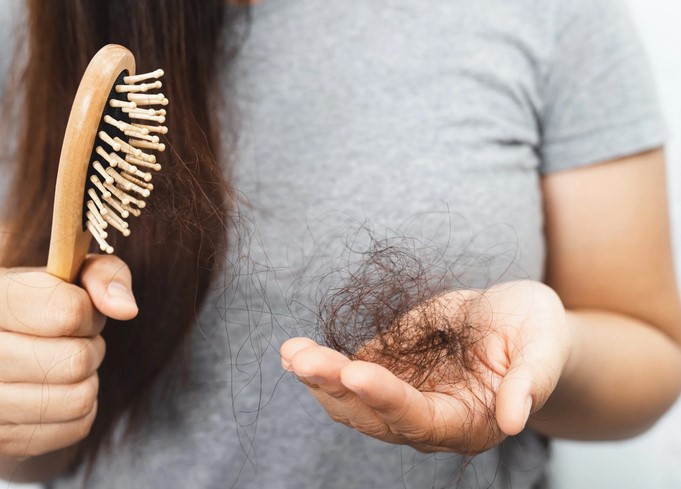
Few things cause an immediate, icy spike of panic quite like looking down at your shower drain and seeing a tangled, golf-ball-sized clump of your own hair. Or perhaps it’s that moment under the harsh, unforgiving light of a bathroom mirror where you suddenly notice your parting looks just a little wider than it did last year.
If this sounds familiar, you are far from alone. Statistics show that by age fifty, roughly 85% of men will experience significant thinning, and up to 40% of women will suffer from visible hair thinning.
Over my ten years as a health writer working alongside trichologists and dermatologists, I have learned that hair is deeply tied to our identity, self-esteem, and emotional well-being. When someone walks into a clinic seeking hair loss solutions, they aren’t just looking for cosmetic fixes—they are looking to reclaim their confidence.
Through my years on the ground, I have also discovered that the multi-billion-dollar hair restoration industry is flooded with snake oils and miracle creams that do absolutely nothing but empty your wallet. Let’s cut through the marketing noise, look at the actual clinical science of why hair falls out, and map out the proven, evidence-based treatments that actually work.
The Biology of the Scalp: Understanding Your Hair’s Lifecycles
To find the right hair loss solutions, we first have to understand how hair actually grows. Think of your scalp as a highly delicate, microscopic garden. Your hair strands are the plants, and your hair follicles are the hidden roots buried deep within the soil.
Just like real plants, your hair goes through distinct seasonal cycles, technically known as the hair growth phases:
-
Anagen Phase: The active growth stage, which lasts anywhere from two to seven years.
-
Catagen Phase: A short, transitional phase lasting a few weeks where the hair breaks away from its blood supply.
-
Telogen Phase: The resting stage lasting around three months, culminating in the hair shedding so a new strand can sprout.
[ Anagen: Growth Phase ] ──> [ Catagen: Transition Phase ] ──> [ Telogen: Shedding Phase ]
           ▲                                                                 │
           └─────────────────── Cycle Repeats Healthy ───────────────────────┘
When things go wrong, this cycle gets disrupted. The growth phase shrinks, and the shedding phase accelerates. Let’s look at the actual medical culprits behind this breakdown.
Root Causes: Why Is Your Hair Thinning?
In my years of analyzing clinical data, I’ve found that patients often misdiagnose their own hair loss. They buy expensive shampoos for a problem that is actually happening deep inside their bloodstream.
Androgenetic Alopecia (Pattern Baldness)
This is the most common cause of hair loss, driven entirely by genetics and hormones. A specific hormone called dihydrotestosterone (DHT) binds to your hair follicles. Think of DHT as a slow-acting poison that causes the follicles to shrink, or “miniaturize.” Over time, the hair grows back thinner and shorter until the follicle stops producing hair entirely.
Telogen Effluvium (Stress-Induced Shedding)
Have you recently gone through a major surgery, a severe illness, or extreme psychological stress? Your body reacts by going into survival mode. It abruptly shifts thousands of active growing hairs into the shedding phase all at once. This usually manifests as sudden, diffuse shedding about three months after the stressful event occurred.
Nutritional Deficiencies and Thyroid Issues
Your hair follicles are some of the most metabolically active tissues in your entire body, meaning they require massive amounts of energy and nutrients. A severe drop in ferritin (stored iron), Vitamin D, or a malfunctioning thyroid gland can instantly starve the root of your hair, leading to chronic thinning.
Clinically Proven Hair Loss Solutions
When it comes to treating hair loss, consistency and patience are your only real superpowers. Because of the length of the hair cycle, any treatment you start will take a minimum of three to six months to show visible results. Here are the gold-standard options backed by robust clinical data.
Topicals: The First Line of Defense
-
Minoxidil: Available over-the-counter, this powerful vasodilator widens the blood vessels around your follicles. Think of it as pouring liquid fertilizer directly onto your scalp’s soil, delivering a massive rush of oxygen and nutrients to extend the active growth phase.
-
Topical Finasteride: A newer, highly effective option that targets the scalp directly to block the conversion of testosterone into follicle-shrinking DHT, with a significantly lower risk of systemic side effects than its oral counterpart.
Oral Medications: Blocking the Enemy Hormones
For men experiencing advanced pattern baldness, oral finasteride or dutasteride are incredibly effective at systematically lowering DHT levels in the body. By shutting down the chemical that destroys the follicle, it halts further shedding and allows weakened hairs to grow back thicker.
Advanced Clinical Procedures
| Treatment Option | How It Works | Best Suited For |
| PRP Therapy | Concentrated platelets from your own blood are injected into the scalp to release growth factors. | Early-to-moderate thinning; reviving dormant follicles. |
| Low-Level Laser Therapy | Medical-grade red light photons stimulate cellular energy production inside the root. | At-home maintenance; safe to combine with topicals. |
| Hair Transplant (FUE/FUT) | Physically moving DHT-resistant follicles from the back of the head to the balding areas. | Advanced hair loss with stable donor zones. |
Hidden Warning: The Danger of “Miracle Shampoos”
As a seasoned health writer, here is my candid, unvarnished advice: stop wasting your money on expensive over-the-counter “hair growth” shampoos.
[ Hair Growth Shampoo ] ──> Only sits on the scalp for 60 seconds ──> Washes down the drain
                                                                            │
[ Real Solution ]       ──> Penetrates deep into the dermal papilla ──> Real Follicle Repair
A shampoo is on your head for maybe sixty seconds before it gets rinsed down the drain. It simply cannot penetrate deep enough into the dermal papilla to block DHT or repair a shrinking root. Use shampoo to clean your scalp; use dedicated, targeted treatments to grow your hair.
Tips Pro from the Field: If you want a shampoo that actually moves the needle, look for one containing 2% ketoconazole. While primarily an anti-fungal treatment for dandruff, clinical studies show that ketoconazole also acts as a mild, topical anti-androgen that helps disrupt DHT on the scalp surface.
Crafting Your Thicker Hair Strategy
If you are ready to take control of your hair health, do not approach it blindly. A successful routine tackles the problem from both the inside out and the outside in.
-
Get a Full Blood Panel: Before buying any treatments, ask your doctor to test your thyroid hormones, iron levels (ferritin), Vitamin D, and B12. Fixing an internal deficiency is the easiest way to jumpstart hair regrowth.
-
Protect Your Scalp Microenvironment: Avoid heavy heat styling, aggressive chemical processing, and tight hairstyles that cause mechanical stress (traction alopecia) on the roots.
-
Commit to the Long Game: Once you start a treatment like minoxidil or a DHT blocker, you must maintain it. If you stop the treatment, your follicles will eventually return to their genetic programming, and any hair saved will be shed.
Take Charge of Your Scalp Health Today
Losing your hair can feel like losing a piece of yourself, but medical science has advanced entirely in our favor. You no longer have to simply accept thinning hair as an inevitable part of aging or genetics. By identifying your specific trigger and deploying targeted, scientifically backed strategies early, you can protect the hair you have and stimulate new growth.
Are you currently dealing with hair thinning, or have you tried any popular remedies in the past? What was your experience, and how long did you stick with it? Let’s share notes and talk about it in the comments below—your journey might save someone else from a costly marketing scam today!
