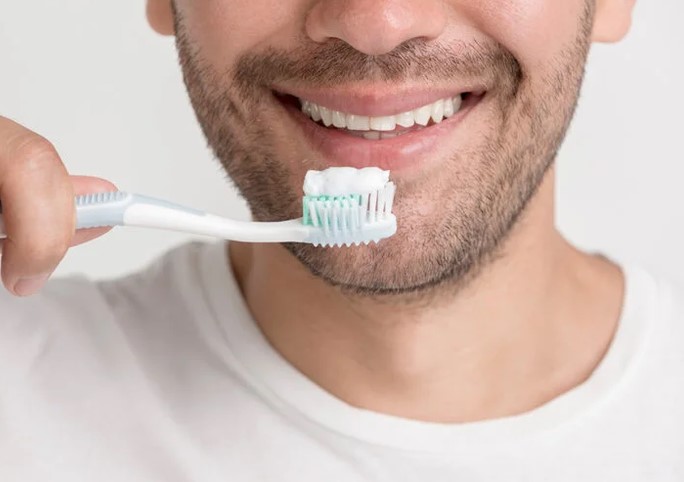
Brushing and Flossing Techniques: Proper Oral Hygiene for a Healthy Smile

Source:https://dyerdentalcareep.com

Imagine standing in front of your bathroom mirror, watching your gums bleed into the sink while brushing. You tell yourself, “I’m just brushing extra hard to get my teeth really clean.” But here is the alarming reality: according to the CDC, nearly 47% of adults aged 30 and older suffer from some form of periodontal disease. Most of them brush every single day.

Over my decade-plus spent working alongside periodontists and dental hygienists as a health writer, I have watched thousands of well-meaning people inadvertently destroy their enamel and recede their gums. The issue almost never stems from laziness. It comes from doing the right thing the entirely wrong way.

Mastering proper brushing and flossing techniques isn’t just about avoiding cavities or keeping your breath fresh. It is your primary defense line against systemic inflammation, premature tooth loss, and costly dental surgeries down the road.

Why Your Current Oral Hygiene Routine Might Be Failing You

Most people approach brushing their teeth like scrubbing a stained kitchen floor—the harder you press, the cleaner it gets, right? Unfortunately, your mouth does not work like vinyl flooring.

Your teeth are covered by enamel, the hardest substance in the human body, but the delicate tissue holding them in place—your gingiva—is incredibly sensitive. Aggressive scrubbing strips away this tissue over time, exposing the root surface and leading to extreme temperature sensitivity.

Think of dental plaque as a sticky, invisible film of microscopic bacteria living on your teeth. Removing it doesn’t require high-pressure power washing. It requires gentle, strategic mechanical disruption.

Master Class: Proper Brushing Techniques for Maximum Plaque Removal

If you are simply sawing your toothbrush back and forth across your teeth horizontally, you are missing up to half of the plaque trapped along your gumline.

       [ Tooth Surface ]
              │
    45° Angle Brush Tilt
              │
       ┌──────┴──────┐
       ▼             ▼
  Gentle Circular  Sweep Away 
     Vibrations    From Gums

1. The Modified Bass Technique (The Gold Standard)

Dentists almost unanimously recommend the Modified Bass Technique. Here is how to execute it properly:

  • Angle the Bristles: Hold your toothbrush at a 45-degree angle against the junction where your teeth meet your gums.

  • Use Micro-Circles: Instead of long horizontal strokes, use short, gentle circular motions. This allows the bristle tips to slip slightly under the gingival margin to dislodge hidden plaque.

  • Sweep Away: Finish the movement by sweeping or rolling the brush head away from the gumline toward the chewing surface.

  • Systematic Approach: Divide your mouth into four quadrants. Spend at least 30 seconds on each quadrant, covering the outer, inner, and chewing surfaces.

2. Soft Bristles Only: The Toothbrush Trap

One of the most frequent observations from my clinical site visits is the obsession with “Medium” or “Hard” bristled toothbrushes. Hard bristles act like sandpaper on soft tissue. Always opt for an ultra-soft or soft bristled brush with rounded tips.

3. Mind Your Pressure

If the bristles of your toothbrush flare outward within a month of buying it, you are pressing way too hard. Hold your toothbrush with just your fingertips—like holding a pen—rather than gripping it in a tight fist.

The Unsung Hero: Flossing Techniques That Actually Work

Brushing alone leaves roughly 35% of your tooth surfaces uncleaned. If you don’t floss, you are leaving the tight spaces between your teeth completely untreated, turning them into breeding grounds for anaerobic bacteria.

The “C-Shape” Flossing Method

Snapping a piece of string straight down between your teeth and pulling it back out does very little to remove plaque—and it often slices into your delicate interdental papilla (the pink gum triangle between teeth).

  1. Measure Enough String: Pull out about 18 inches of dental floss. Wind most of it around your middle fingers, leaving a couple of inches to work with.

  2. Guide Gently: Slide the floss between your teeth using a gentle back-and-forth sawing motion to bypass the tight contact point. Never snap it directly into the gums.

  3. Form a “C” Curve: Once past the contact point, curve the floss into a tight C-shape against the side of one tooth until it slips gently beneath the gumline.

  4. Scrape Up and Down: Gently slide the floss up and down against the tooth surface, scraping away the bio-film. Unroll a fresh section of floss for each tooth gap.

Pro Tips: Advanced Strategies for Peak Oral Health

Elevating your oral care routine from basic to exceptional requires paying attention to small, highly impactful details that most people overlook.

Pro Tip: The “Spit, Don’t Rinse” Rule

After brushing with a fluoridated toothpaste, spit out the excess foam, but do not rinse your mouth with water immediately. Rinsing washes away the concentrated fluoride before it has time to remineralize your enamel. Let that protective layer sit on your teeth for at least 20 to 30 minutes before drinking or rinsing.

Crucial Timing: The Acid Wait Period

If you just finished drinking coffee, enjoying citrus fruit, or consuming an acidic meal, wait at least 30 to 60 minutes before brushing. Acid temporarily softens enamel. Brushing immediately after acid exposure physically scrubs away softened enamel minerals. Rinse your mouth with plain water first to help neutralize the pH level.

Hidden Warnings: Common Mistakes You Must Avoid

  • Ignoring Your Tongue: Your tongue harbors billions of bacteria that cause halitosis (bad breath) and re-contaminate clean teeth. Use a dedicated tongue scraper daily from back to front.

  • Using Bleeding as an Excuse to Stop: Bleeding gums are a sign of gingivitis (active inflammation caused by lingering plaque), not a signal to stop flossing. With consistent, gentle flossing, bleeding usually resolves within 7 to 10 days.

  • Relying Solely on Mouthwash: Mouthwash is an adjunct treatment, not a replacement. Chemical rinses cannot break down the structured physical biofilm that plaque forms—only mechanical brushing and flossing can do that.

Elevate Your Daily Routine

Building healthy teeth and strong gums isn’t complicated, but it does demand mindfulness and precision. Refining your brushing and flossing techniques takes just four minutes a day, yet it pays lifelong dividends in preserving your natural smile and protecting your overall bodily health.

Take a fresh look at your bathroom setup tonight. Angle that brush to 45 degrees, wrap that floss into a gentle C-shape, and give your teeth the careful attention they deserve.

Nutrition and Oral Health: How Diet Affects Your Teeth and Gums

Source:https://www.beecroftsmiles.com.au

Oral health is often seen as an isolated aspect of our overall well-being, but it is deeply intertwined with the nutrition we consume. A well-balanced diet provides the essential nutrients needed to maintain strong teeth and healthy gums, while poor eating habits can lead to a variety of dental issues. From the onset of cavities and gum disease to bad breath and tooth discoloration, the link between nutrition and oral health is undeniable. This article explores how your diet affects your oral health, offering insights into foods that support dental hygiene and those that can cause harm.

The Link Between Nutrition and Oral Health

Nutrition plays a crucial role in the development, maintenance, and overall health of your teeth and gums. Just as a healthy body requires the right nutrients to function optimally, your mouth needs specific vitamins and minerals to stay healthy. One of the most important dietary factors influencing oral health is the presence of calcium, which strengthens tooth enamel, and vitamin C, which helps maintain the health of your gums.

Key Nutrients for Healthy Teeth and Gums

  1. Calcium: Calcium is the foundation of strong teeth and bones. It helps remineralize enamel and prevents it from weakening over time. Foods rich in calcium, such as dairy products (milk, cheese, yogurt), leafy greens (spinach, kale), and fortified plant-based milks, should be included in your diet to promote good oral health.
  2. Vitamin D: Vitamin D helps the body absorb calcium more efficiently. Without adequate vitamin D, the body cannot properly utilize calcium, which can lead to weaker teeth and bones. Sunlight exposure is the most natural source of vitamin D, but it can also be found in fortified foods like cereals, milk, and fatty fish such as salmon.
  3. Phosphorus: Phosphorus works with calcium to build and maintain strong tooth enamel. It can be found in foods like meat, poultry, eggs, nuts, and beans. Including these in your diet will help support the mineralization process and strengthen your teeth.
  4. Vitamin C: This vitamin is essential for the health of your gums. A deficiency in vitamin C can lead to gum disease, which may cause bleeding gums and tooth loss. Foods high in vitamin C include citrus fruits (oranges, lemons), strawberries, bell peppers, and broccoli.
  5. Fiber: Fiber-rich foods, like fruits, vegetables, and whole grains, help maintain saliva production, which is essential for washing away food particles and neutralizing acids in the mouth. Fiber also helps scrub the teeth, acting as a natural toothbrush.

The Role of Sugar in Oral Health

While certain nutrients can help prevent tooth decay, others can contribute to dental problems. One of the biggest culprits in poor oral health is sugar. Sugary foods and drinks, especially those that are sticky or acidic, feed harmful bacteria in the mouth that produce acid. This acid weakens tooth enamel and leads to cavities.

When you consume sugary foods, the bacteria in your mouth use the sugar to produce acid. The more often you eat sugary foods, the more frequently your teeth are exposed to acid, which over time can erode enamel. Additionally, sugar consumption can lead to gum disease and inflammation, as it may affect the balance of bacteria in the mouth, making it easier for harmful bacteria to thrive.

Foods like candies, sugary snacks, soda, and even fruit juices should be consumed in moderation to protect your teeth. When you do consume these foods, it’s important to brush your teeth afterward to remove any residue and prevent acid from lingering on your enamel.

Best Foods for Oral Health

Instead of sugary snacks, consider incorporating the following foods that are beneficial for your oral health:

  • Apples and Carrots: These crunchy fruits and vegetables are natural toothbrushes, stimulating saliva production and helping to clean teeth.
  • Nuts: Almonds, cashews, and walnuts are great sources of phosphorus, which strengthens teeth.
  • Cheese: Cheese is rich in calcium and promotes saliva production, which helps neutralize acids in the mouth.
  • Green Tea: This beverage contains polyphenols that can inhibit the growth of bacteria, reducing plaque buildup and improving overall oral hygiene.

The Impact of Acidic Foods on Your Teeth

In addition to sugar, acidic foods can also harm your oral health. Foods such as citrus fruits, tomatoes, and vinegar-based dressings can lower the pH of your mouth, creating an acidic environment that erodes tooth enamel over time. While these foods are often packed with vitamins and antioxidants, they should be consumed in moderation, and you should wait at least 30 minutes before brushing your teeth after consuming them. Brushing immediately after eating acidic foods can cause further enamel erosion.

Drinking water after eating acidic foods or beverages can help neutralize the acids in your mouth and rinse away any harmful residue. Rinsing with water, chewing sugar-free gum, or eating a piece of cheese can all be effective ways to protect your teeth after consuming acidic foods.

In conclusion, proper nutrition is a critical factor in maintaining good oral health. Nutrition and oral health are intricately linked, as the foods we eat provide the necessary building blocks for strong teeth and gums, while poor dietary choices can lead to dental issues. By focusing on a balanced diet rich in calcium, vitamin D, fiber, and antioxidants, and limiting sugary and acidic foods, you can support your oral health and reduce the risk of cavities, gum disease, and other dental problems. A healthy diet is not just beneficial for your overall health but also plays a significant role in keeping your smile bright and your gums strong.

Zirconia Crown Cost: Factors Affecting Dental Crown Prices

Source : https://kristalclinic.com

Dental crowns are a common dental restoration used to protect and strengthen teeth that have been damaged or weakened. Zirconia crowns are a popular choice for dental crowns due to their strength and durability. However, the cost of zirconia crowns can vary depending on a variety of factors. This article will discuss the factors that affect the cost of zirconia crowns, including the type of crown, the dentist’s experience, and the location of the dental office. By understanding these factors, patients can make an informed decision when selecting a dental crown.

How to Choose the Right Zirconia Crown for Your Budget: Exploring the Factors That Affect Cost

When it comes to choosing the right zirconia crown for your budget, there are a few factors that can affect the cost. Understanding these factors can help you make an informed decision and ensure that you get the best value for your money. Here are some of the key factors to consider when selecting a zirconia crown.

1. Quality: The quality of the zirconia crown is one of the most important factors to consider when selecting a crown. Higher quality crowns are typically more expensive, but they are also more durable and can last longer. It is important to look for a crown that is made from high-grade materials and is designed to last.

2. Size: The size of the crown is another factor that can affect the cost. Larger crowns are typically more expensive than smaller ones, so it is important to consider the size of the crown when making your selection.

3. Color: The color of the crown is also an important factor to consider. Different colors can have different price points, so it is important to consider the color of the crown when making your selection.

4. Manufacturer: The manufacturer of the crown is also an important factor to consider. Different manufacturers may offer different prices, so it is important to compare prices between different manufacturers before making your selection.

By considering these factors, you can make an informed decision and ensure that you get the best value for your money when selecting a zirconia crown. With the right information, you can find the perfect crown for your budget.

Understanding the Pros and Cons of Zirconia Crowns: What You Need to Know Before Making a Decision on Price

When it comes to dental crowns, zirconia is a popular choice due to its strength and durability. However, it is important to understand the pros and cons of zirconia crowns before making a decision on price. This article will provide an overview of the advantages and disadvantages of zirconia crowns so that you can make an informed decision.

The primary advantage of zirconia crowns is their strength and durability. Zirconia is a strong material that is resistant to wear and tear, making it an ideal choice for crowns. Additionally, zirconia crowns are highly biocompatible, meaning they are less likely to cause an allergic reaction or irritation. Furthermore, zirconia crowns are aesthetically pleasing and can be customized to match the color of your natural teeth.

On the other hand, zirconia crowns can be more expensive than other types of crowns. Additionally, zirconia crowns require more skill to place and may require more time in the dental chair. Furthermore, zirconia crowns may not be suitable for all patients, as they may not be strong enough for certain cases.

Ultimately, the decision to choose zirconia crowns should be based on your individual needs and budget. If you are looking for a strong and durable crown that is aesthetically pleasing, then zirconia may be the right choice for you. However, if you are on a tight budget, then you may want to consider other types of crowns. It is important to discuss your options with your dentist to determine which type of crown is best for you.In conclusion, the cost of zirconia crowns can vary greatly depending on a variety of factors. These factors include the type of crown, the dentist’s experience and expertise, the location of the practice, and the materials used. Ultimately, the cost of a zirconia crown will depend on the individual patient’s needs and the dentist’s recommendations. It is important to discuss all of these factors with your dentist before making a decision about which type of crown is best for you.

How to Stop Bleeding Gums: Tips for Improved Oral Health

Source : https://palermovillagedental.com

Bleeding gums can be a sign of poor oral health, and it is important to take steps to stop bleeding gums and improve your oral health. Bleeding gums can be caused by a variety of factors, including poor oral hygiene, gum disease, and even certain medications. Fortunately, there are a few simple steps you can take to stop bleeding gums and improve your oral health. In this article, we will discuss some tips for stopping bleeding gums and improving your oral health. We will cover topics such as proper brushing and flossing techniques, the importance of regular dental visits, and lifestyle changes that can help improve your oral health.

How to Stop Bleeding Gums: 5 Simple Tips for Improved Oral Health

Good oral health is essential for overall health and wellbeing. Unfortunately, many people suffer from bleeding gums, which can be a sign of gum disease. Fortunately, there are some simple steps you can take to help stop bleeding gums and improve your oral health.

1. Brush and Floss Regularly: Brushing and flossing your teeth twice a day is essential for good oral health. Make sure to brush for two minutes each time and use a soft-bristled toothbrush. Flossing helps remove plaque and food particles from between your teeth and along the gum line.

2. Use an Antiseptic Mouthwash: An antiseptic mouthwash can help reduce bacteria in your mouth and reduce inflammation. Look for a mouthwash that contains chlorhexidine or cetylpyridinium chloride.

3. Avoid Tobacco Products: Smoking and chewing tobacco can increase your risk of gum disease and other oral health problems. If you use tobacco products, it’s important to quit as soon as possible.

4. Eat a Healthy Diet: Eating a balanced diet that is low in sugar and high in fiber can help keep your gums healthy. Eating crunchy fruits and vegetables can also help remove plaque from your teeth.

5. Visit Your Dentist Regularly: Regular dental checkups are important for maintaining good oral health. Your dentist can check for signs of gum disease and provide treatment if necessary.

By following these simple tips, you can help stop bleeding gums and improve your oral health. Remember to brush and floss regularly, use an antiseptic mouthwash, avoid tobacco products, eat a healthy diet, and visit your dentist regularly.

How to Prevent Bleeding Gums: A Comprehensive Guide to Better Oral Hygiene

Good oral hygiene is essential for preventing bleeding gums. Bleeding gums can be a sign of gum disease, which can lead to more serious health problems if left untreated. Fortunately, there are several steps you can take to keep your gums healthy and prevent bleeding.

First, brush your teeth twice a day with a soft-bristled toothbrush and fluoride toothpaste. Make sure to brush for at least two minutes each time, paying special attention to the gum line. Use gentle, circular motions to remove plaque and food particles from the teeth and gums.

Second, floss your teeth at least once a day. Flossing helps remove plaque and food particles from between the teeth and along the gum line. Be sure to use a gentle sawing motion when flossing, and don’t forget to floss behind the back teeth.

Third, use an antiseptic mouthwash to help reduce plaque and bacteria in the mouth. Look for a mouthwash that contains fluoride and/or chlorhexidine.

Fourth, visit your dentist regularly for professional cleanings and checkups. Your dentist can detect early signs of gum disease and provide treatment if necessary.

Finally, make sure to eat a balanced diet and limit sugary snacks and drinks. Eating a healthy diet helps keep your gums and teeth strong and healthy.

By following these steps, you can help prevent bleeding gums and maintain good oral hygiene. Remember, it’s never too late to start taking better care of your teeth and gums.By following the tips outlined in this article, you can help to improve your oral health and reduce the risk of bleeding gums. Regular brushing and flossing, as well as regular visits to the dentist, are essential for maintaining healthy gums. Additionally, avoiding certain foods and drinks that can irritate the gums, such as acidic foods and drinks, can help to reduce the risk of bleeding gums. Finally, if you are experiencing bleeding gums, it is important to seek medical advice from your dentist or doctor to ensure that the underlying cause is identified and treated.

Chipped Front Tooth Repair Cost: Dental Solutions and Expenses

Source : https://thornhilldental.ca

Having a chipped front tooth can be a source of embarrassment and insecurity. It can also be a source of confusion when it comes to understanding the cost of repair. This article will provide an overview of the various dental solutions and expenses associated with chipped front tooth repair. We will discuss the different types of treatments available, the cost of each, and the potential insurance coverage. We will also provide tips on how to save money on the repair. By the end of this article, you will have a better understanding of the cost of chipped front tooth repair and the options available to you.

Exploring the Cost of Chipped Front Tooth Repair: What to Expect from Different Dental Solutions

Having a chipped front tooth can be a source of embarrassment and discomfort. Fortunately, there are a variety of dental solutions available to repair the damage. In this article, we will explore the cost of chipped front tooth repair and what to expect from different dental solutions.

The cost of chipped front tooth repair will depend on the severity of the damage and the type of dental solution chosen. For minor chips, a simple bonding procedure may be sufficient. This involves applying a composite resin to the affected area and shaping it to match the surrounding teeth. Bonding is a relatively inexpensive procedure, with costs ranging from $100 to $400.

For more severe chips, a dental veneer may be necessary. Veneers are thin shells of porcelain that are bonded to the front of the tooth. This procedure is more expensive than bonding, with costs ranging from $500 to $1,500 per tooth.

In some cases, a dental crown may be the best option for chipped front tooth repair. A crown is a cap that is placed over the entire tooth to restore its shape and strength. This procedure is more expensive than bonding or veneers, with costs ranging from $1,000 to $3,000 per tooth.

No matter which dental solution you choose, it is important to consult with your dentist to determine the best option for your particular situation. Your dentist will be able to provide you with an estimate of the cost and explain the procedure in detail.

In conclusion, chipped front tooth repair can be expensive, but there are a variety of dental solutions available to restore your smile. The cost of the procedure will depend on the severity of the damage and the type of dental solution chosen. Be sure to consult with your dentist to determine the best option for your particular situation.

Balancing Cost and Quality: How to Find the Best Chipped Front Tooth Repair Solution for Your Budget

Finding the best chipped front tooth repair solution for your budget can be a tricky balancing act. On one hand, you want to make sure that you get the best quality repair possible, but on the other hand, you don’t want to break the bank. Fortunately, there are a few steps you can take to ensure that you get the best repair solution for your budget.

First, it’s important to understand the different types of chipped front tooth repair solutions available. Depending on the severity of the chip, you may be able to get away with a simple bonding procedure, which is relatively inexpensive. However, if the chip is more severe, you may need to opt for a more expensive veneer or crown procedure. Knowing the different options available will help you make an informed decision about which solution is best for your budget.

Second, it’s important to do your research. Look for reviews of different dentists in your area and compare their prices and services. You can also ask friends and family for recommendations. This will help you find a dentist who offers quality services at a price that fits your budget.

Third, it’s important to discuss your budget with your dentist. Be honest about what you can afford and ask if there are any payment plans or discounts available. Many dentists are willing to work with their patients to find a solution that fits their budget.

Finally, it’s important to remember that the most important factor in finding the best chipped front tooth repair solution for your budget is quality. Don’t be tempted to go with the cheapest option if it means sacrificing quality. A good repair job will last for years, so it’s important to make sure that you get the best quality repair possible.

By following these steps, you can find the best chipped front tooth repair solution for your budget. With a little research and honest communication with your dentist, you can get the quality repair you need without breaking the bank.In conclusion, chipped front tooth repair cost can vary greatly depending on the severity of the chip and the type of repair needed. The cost of the repair can range from a few hundred dollars to several thousand dollars. It is important to consult with a dentist to determine the best course of action for your particular situation. Depending on the severity of the chip, the dentist may recommend a simple bonding procedure or a more complex procedure such as a veneer or crown. Regardless of the cost, it is important to take care of your teeth and to seek professional help when needed.

I Cured My Periodontal Disease Naturally: A Personal Success Story

Source : https://www.drsalamati.com

I Cured My Periodontal Disease Naturally: A Personal Success Story is a book that chronicles my journey to overcoming periodontal disease without the use of traditional medical treatments. It is a story of hope and determination, and a testament to the power of natural healing. Through my story, I hope to inspire others to take control of their health and to find the courage to make the necessary lifestyle changes to achieve optimal health. I will share my personal experiences, the research I conducted, and the natural remedies I used to heal my periodontal disease. I will also provide practical advice on how to prevent and treat periodontal disease naturally.

How I Reversed My Periodontal Disease with Natural Remedies

Reversing periodontal disease with natural remedies is possible! Periodontal disease, also known as gum disease, is an infection of the gums and tissues that support the teeth. It is caused by bacteria that accumulate in the mouth and form plaque. If left untreated, periodontal disease can lead to tooth loss and other serious health problems.

Fortunately, there are natural remedies that can help reverse periodontal disease. These remedies include proper oral hygiene, a healthy diet, and supplements.

Proper Oral Hygiene

Proper oral hygiene is essential for reversing periodontal disease. Brushing your teeth twice a day and flossing daily can help remove plaque and bacteria from your teeth and gums. It is also important to use a toothpaste that contains fluoride to help prevent cavities.

In addition to brushing and flossing, it is important to visit your dentist regularly for professional cleanings. During these cleanings, your dentist will remove plaque and tartar buildup that can cause periodontal disease.

Healthy Diet

Eating a healthy diet is also important for reversing periodontal disease. Foods that are high in fiber, such as fruits and vegetables, can help reduce inflammation in the gums. Eating foods that are high in calcium, such as dairy products, can also help strengthen the teeth and gums.

In addition to eating a healthy diet, it is important to limit sugary and starchy foods. These foods can increase the amount of plaque and bacteria in the mouth, which can lead to periodontal disease.

Supplements

Taking certain supplements can also help reverse periodontal disease. Vitamin C, for example, can help reduce inflammation in the gums. Vitamin D can also help strengthen the teeth and gums.

In addition to vitamins, certain herbs can also help reverse periodontal disease. Green tea, for example, contains antioxidants that can help reduce inflammation in the gums. Licorice root can also help reduce inflammation and fight bacteria in the mouth.

Conclusion

Reversing periodontal disease with natural remedies is possible! Proper oral hygiene, a healthy diet, and supplements can all help reduce inflammation and fight bacteria in the mouth. If you are suffering from periodontal disease, talk to your dentist about natural remedies that may be right for you.

My Journey to Natural Periodontal Disease Treatment: What Worked for Me

My journey to natural periodontal disease treatment began with a lot of research and trial and error. After years of struggling with gum disease, I was determined to find a way to treat it without the use of antibiotics or other medications. I was determined to find a natural solution that would help me get my oral health back on track.

The first step I took was to make sure I was brushing and flossing properly. I made sure to brush twice a day and floss at least once a day. I also started using an electric toothbrush to help remove plaque and bacteria from my teeth and gums.

Next, I started looking into natural remedies for periodontal disease. I read about the benefits of using essential oils, such as tea tree oil, and started using it in my mouthwash. I also started using a natural mouthwash that contained aloe vera, which is known to help reduce inflammation and promote healing.

I also started using a natural toothpaste that contained baking soda, which is known to help reduce plaque and bacteria. I also started using a natural toothbrush with soft bristles to help reduce the risk of gum irritation.

Finally, I started taking probiotics to help balance the bacteria in my mouth. I also started eating a healthy diet that was low in sugar and processed foods.

After months of following these steps, I started to see a difference in my oral health. My gums were less inflamed and my teeth felt stronger. I was also able to reduce the amount of plaque and bacteria in my mouth.

My journey to natural periodontal disease treatment was a long one, but it was worth it. I am now able to maintain my oral health without the use of antibiotics or other medications. I am so glad I took the time to research and find a natural solution that worked for me.In conclusion, I Cured My Periodontal Disease Naturally: A Personal Success Story is an inspiring and informative read for anyone looking to take control of their oral health. It provides a detailed account of one person’s journey to naturally cure their periodontal disease, and offers valuable insight into the importance of proper oral hygiene and diet. The book is a great resource for anyone looking to make positive changes to their oral health and lifestyle.

New Approaches to Treating Receding Gums: Promising Treatments

Source : https://www.insmyledental.com

Receding gums can be a painful and embarrassing condition that can lead to further oral health issues. Fortunately, there are a number of new approaches to treating receding gums that offer promising treatments. These treatments range from minimally invasive procedures to more advanced surgical techniques. In this article, we will explore the various new approaches to treating receding gums and discuss the potential benefits and risks associated with each. We will also discuss the importance of early diagnosis and treatment of receding gums to prevent further damage to the teeth and gums.

Exploring the Latest Innovations in Treating Receding Gums: What You Need to Know

As a person concerned about your oral health, you may be wondering about the latest innovations in treating receding gums. Receding gums can be a sign of gum disease, and it’s important to take steps to protect your oral health. Fortunately, there are a number of treatments available to help you manage receding gums. In this article, we’ll explore the latest innovations in treating receding gums so you can make an informed decision about your oral health.

One of the most common treatments for receding gums is a gum graft. During a gum graft, a small piece of tissue is taken from the roof of your mouth and grafted onto the affected area. This helps to cover the exposed root and protect it from further damage. Gum grafts can be done in a single visit and are generally very successful.

Another option for treating receding gums is laser therapy. During laser therapy, a laser is used to remove the damaged tissue and stimulate the growth of healthy tissue. This can help to reduce the appearance of receding gums and protect the exposed root. Laser therapy is a relatively new treatment and is becoming increasingly popular.

Finally, there are a number of products available that can help to protect your gums and reduce the appearance of receding gums. These products include special toothpastes, mouthwashes, and gels that are designed to reduce inflammation and promote healthy gum tissue. These products can be used in conjunction with other treatments to help manage receding gums.

No matter which treatment you choose, it’s important to talk to your dentist about the best option for you. Your dentist can help you determine the best course of action and provide you with the information you need to make an informed decision. With the right treatment, you can protect your oral health and reduce the appearance of receding gums.

How Regenerative Medicine is Changing the Way We Treat Receding Gums: A Closer Look at the Latest Developments

Regenerative medicine is revolutionizing the way we treat receding gums. This innovative field of medicine is providing new hope to those suffering from gum recession, a condition that can lead to tooth loss and other serious oral health issues. In this article, we’ll take a closer look at the latest developments in regenerative medicine and how they are changing the way we treat receding gums.

Gum recession is a common problem that occurs when the gum tissue around the teeth wears away, exposing the root of the tooth. This can lead to tooth sensitivity, pain, and even tooth loss. In the past, the only treatment option for gum recession was gum grafting, a surgical procedure that involves taking tissue from another part of the mouth and grafting it onto the affected area.

However, with the advent of regenerative medicine, there are now more options available for treating receding gums. Regenerative medicine is a field of medicine that focuses on using the body’s own cells and tissues to repair and regenerate damaged or diseased tissue. This type of treatment has been used to treat a variety of conditions, including gum recession.

One of the most promising treatments for receding gums is platelet-rich plasma (PRP) therapy. PRP therapy involves taking a sample of the patient’s own blood and separating out the platelets, which are rich in growth factors. These growth factors are then injected into the affected area, stimulating the body’s natural healing process and encouraging the growth of new gum tissue.

Another promising treatment for receding gums is stem cell therapy. Stem cells are undifferentiated cells that can be used to regenerate and repair damaged tissue. In the case of gum recession, stem cells can be injected into the affected area to stimulate the growth of new gum tissue.

Finally, regenerative medicine is also being used to treat gum recession with laser therapy. Laser therapy involves using a low-level laser to stimulate the growth of new gum tissue. This type of treatment is non-invasive and can be used to treat both mild and severe cases of gum recession.

As you can see, regenerative medicine is changing the way we treat receding gums. These treatments are providing new hope to those suffering from this condition, offering a more effective and less invasive alternative to traditional gum grafting. If you’re suffering from gum recession, be sure to talk to your dentist about the latest developments in regenerative medicine and how they can help you.New approaches to treating receding gums are promising treatments that offer hope to those suffering from gum recession. These treatments are minimally invasive, cost-effective, and have been proven to be effective in restoring gum health. While more research is needed to determine the long-term effects of these treatments, they offer a viable alternative to traditional gum surgery. With continued research and development, these treatments may become the standard of care for treating receding gums.

Dealing with a Broken Tooth: Treatment Options and Costs

Source : https://www.fitnessawayoflife.com

Having a broken tooth can be a painful and stressful experience. It can also be difficult to know what to do and how to proceed. Fortunately, there are a variety of treatment options available to repair a broken tooth, depending on the severity of the damage. In this article, we will discuss the different treatment options available, as well as the associated costs. We will also provide tips on how to prevent a broken tooth in the future. By understanding the available treatments and costs, you can make an informed decision about how to best address your broken tooth.

Exploring Treatment Options for a Broken Tooth: What to Expect and How Much it Will Cost

If you have recently broken a tooth, you may be wondering what your treatment options are and how much it will cost. It is important to understand that the cost of treatment will depend on the severity of the break and the type of treatment you choose. In this article, we will discuss the different treatment options available for a broken tooth, what to expect during treatment, and how much it will cost.

The first step in treating a broken tooth is to visit your dentist. Your dentist will examine the tooth and take X-rays to determine the extent of the damage. Depending on the severity of the break, your dentist may recommend one of several treatment options. These include a dental filling, a dental crown, or a root canal.

If the break is minor, your dentist may recommend a dental filling. This involves removing any damaged parts of the tooth and filling the area with a special material. This is a relatively simple and inexpensive procedure that can usually be completed in one visit.

If the break is more severe, your dentist may recommend a dental crown. This involves removing any damaged parts of the tooth and replacing them with a custom-made crown. This procedure is more involved and may require multiple visits.

In some cases, a root canal may be necessary. This involves removing the damaged parts of the tooth and replacing them with a special material. This procedure is more involved and may require multiple visits.

No matter which treatment option you choose, you can expect some discomfort during the procedure. Your dentist will provide you with local anesthesia to help reduce any pain or discomfort.

The cost of treatment for a broken tooth will depend on the severity of the break and the type of treatment you choose. Generally, a dental filling will cost between $50 and $200, while a dental crown can cost between $500 and $2,000. A root canal can cost between $500 and $2,000.

In conclusion, if you have recently broken a tooth, it is important to visit your dentist to determine the best treatment option for you. Depending on the severity of the break, your dentist may recommend a dental filling, a dental crown, or a root canal. The cost of treatment will depend on the type of treatment you choose, but generally, a dental filling will cost between $50 and $200, while a dental crown can cost between $500 and $2,000. A root canal can cost between $500 and $2,000.

Understanding the Different Types of Broken Tooth Repair: Pros and Cons of Each Option

When it comes to broken tooth repair, there are several options available to you. Each option has its own pros and cons, so it’s important to understand the different types of broken tooth repair and the advantages and disadvantages of each.

The first option is a dental crown. A dental crown is a cap that is placed over the broken tooth to restore its shape, size, and strength. The advantage of a dental crown is that it can be used to repair a wide range of tooth damage, from minor chips to large fractures. Additionally, a dental crown can be matched to the color of your natural teeth, making it virtually undetectable. The downside of a dental crown is that it can be expensive and may require multiple visits to the dentist.

The second option is a dental filling. A dental filling is a material that is used to fill in the space created by a broken tooth. The advantage of a dental filling is that it is relatively inexpensive and can be completed in one visit to the dentist. The downside of a dental filling is that it may not be as strong as a dental crown and may not last as long.

The third option is a dental bridge. A dental bridge is a false tooth that is attached to adjacent teeth to replace a missing tooth. The advantage of a dental bridge is that it is a permanent solution and can be matched to the color of your natural teeth. The downside of a dental bridge is that it can be expensive and may require multiple visits to the dentist.

The fourth option is a dental implant. A dental implant is a titanium post that is surgically implanted into the jawbone to replace a missing tooth. The advantage of a dental implant is that it is a permanent solution and can be matched to the color of your natural teeth. The downside of a dental implant is that it can be expensive and may require multiple visits to the dentist.

No matter which option you choose, it’s important to discuss the pros and cons with your dentist before making a decision. With the right information, you can make an informed decision about the best type of broken tooth repair for you.Dealing with a broken tooth can be a stressful and expensive experience. However, with the right treatment options and costs, it is possible to restore the tooth to its original condition. Depending on the severity of the break, the cost of treatment can range from a simple filling to a more complex procedure such as a root canal or crown. It is important to consult with a dentist to determine the best course of action for your particular situation. With the right treatment, you can have a healthy and beautiful smile again.

Managing Gum Pain Between Teeth: Causes and Solutions

Source : https://dentalcareoflombard.com

Gum pain between teeth can be a very uncomfortable and irritating experience. It can range from mild to severe and can be caused by a variety of factors. Fortunately, there are a number of solutions available to help manage gum pain between teeth. This article will discuss the causes of gum pain between teeth and provide some solutions to help manage the discomfort.

What Causes Gum Pain Between Teeth and How to Treat It

Gum pain between teeth can be caused by a variety of factors, including gum disease, tooth decay, and trauma. Gum disease, also known as periodontal disease, is an infection of the gums and can cause pain, swelling, and bleeding. Tooth decay, or cavities, can also cause pain between the teeth. Trauma to the gums, such as from a sharp object or a hard blow, can also cause pain.

Fortunately, there are several treatments available for gum pain between teeth. The first step is to visit your dentist for an examination. Your dentist will be able to diagnose the cause of the pain and recommend the best treatment.

If the pain is caused by gum disease, your dentist may recommend a deep cleaning to remove the plaque and tartar buildup that is causing the infection. This procedure is known as scaling and root planing. Your dentist may also prescribe antibiotics to help fight the infection.

If the pain is caused by tooth decay, your dentist may recommend a filling or a crown to repair the damaged tooth.

If the pain is caused by trauma, your dentist may recommend a soft diet and pain medications to help reduce the discomfort.

No matter what the cause of the pain, it is important to practice good oral hygiene to prevent further damage. This includes brushing twice a day, flossing daily, and using an antiseptic mouthwash.

By following your dentist’s instructions and practicing good oral hygiene, you can help reduce gum pain between teeth and keep your mouth healthy.

Understanding the Causes and Solutions for Gum Pain Between Teeth

Gum pain between teeth is a common problem that can be caused by a variety of factors. Fortunately, there are several solutions that can help alleviate the discomfort. In this article, we will discuss the causes and solutions for gum pain between teeth.

The most common cause of gum pain between teeth is periodontal disease, which is an infection of the gums and surrounding tissues. This infection can cause inflammation, redness, and pain in the gums. Other causes of gum pain between teeth include gingivitis, which is an inflammation of the gums caused by plaque buildup, and dental abscesses, which are pockets of infection in the gums.

Fortunately, there are several solutions that can help alleviate the discomfort associated with gum pain between teeth. The first step is to practice good oral hygiene, which includes brushing and flossing twice a day and using an antiseptic mouthwash. Additionally, it is important to visit your dentist regularly for professional cleanings and checkups.

If the gum pain is caused by periodontal disease, your dentist may recommend a deep cleaning to remove the plaque and tartar buildup. This procedure is known as scaling and root planing. In some cases, your dentist may also prescribe antibiotics to help fight the infection.

If the gum pain is caused by an abscess, your dentist may need to perform a root canal to remove the infected tissue. In some cases, the abscess may need to be drained surgically.

Finally, if the gum pain is caused by gingivitis, your dentist may recommend a special mouthwash or toothpaste that contains an antiseptic to help reduce inflammation and pain.

In conclusion, gum pain between teeth can be caused by a variety of factors, including periodontal disease, gingivitis, and dental abscesses. Fortunately, there are several solutions that can help alleviate the discomfort associated with gum pain between teeth. These solutions include practicing good oral hygiene, visiting your dentist regularly, and using special mouthwashes or toothpastes.Managing gum pain between teeth can be a difficult and uncomfortable experience. However, with the right knowledge and understanding of the causes and solutions, it can be managed effectively. It is important to understand the underlying cause of the pain and to take the necessary steps to address it. This may include lifestyle changes, such as quitting smoking, brushing and flossing regularly, and visiting the dentist for regular check-ups. Additionally, over-the-counter medications and home remedies can be used to help reduce the pain and discomfort. With the right approach, gum pain between teeth can be managed and prevented.

Managing Gum Sores: Causes, Treatments, and Prevention

Source : https://img.dentistryiq.com

Gum sores, also known as canker sores, are small, painful ulcers that can form on the inside of the mouth. They can be caused by a variety of factors, including stress, certain foods, and even certain medical conditions. Fortunately, there are a number of treatments and preventive measures that can help manage gum sores. In this article, we will discuss the causes, treatments, and prevention of gum sores. We will also provide tips on how to manage gum sores and reduce the risk of recurrence.

Understanding the Causes of Gum Sores: What You Need to Know

Gum sores can be a source of discomfort and embarrassment for many people. While they are usually harmless, understanding the causes of gum sores can help you take steps to prevent them from occurring in the future. In this article, we’ll discuss the various causes of gum sores and what you can do to reduce your risk of developing them.

The most common cause of gum sores is poor oral hygiene. When food particles and bacteria are allowed to accumulate on the teeth and gums, they can irritate the delicate tissue and cause sores to form. Brushing and flossing regularly can help reduce the risk of gum sores by removing plaque and bacteria from the mouth. Additionally, using a mouthwash that contains fluoride can help reduce the risk of gum sores by killing bacteria and preventing plaque buildup.

In some cases, gum sores can be caused by an underlying medical condition. For example, people with diabetes are more likely to develop gum sores due to their weakened immune system. Additionally, people with HIV/AIDS may be more prone to developing gum sores due to their weakened immune system. If you have an underlying medical condition, it’s important to talk to your doctor about ways to reduce your risk of developing gum sores.

Certain medications can also increase the risk of developing gum sores. For example, some chemotherapy drugs can cause dry mouth, which can lead to gum sores. Additionally, some medications used to treat depression and anxiety can cause dry mouth, which can also lead to gum sores. If you’re taking any medications, it’s important to talk to your doctor about ways to reduce your risk of developing gum sores.

Finally, certain lifestyle habits can increase the risk of developing gum sores. For example, smoking can irritate the gums and increase the risk of developing sores. Additionally, drinking alcohol can also increase the risk of developing gum sores. If you’re a smoker or a heavy drinker, it’s important to talk to your doctor about ways to reduce your risk of developing gum sores.

By understanding the causes of gum sores, you can take steps to reduce your risk of developing them. Be sure to practice good oral hygiene by brushing and flossing regularly and using a mouthwash that contains fluoride. Additionally, talk to your doctor about any underlying medical conditions or medications that may increase your risk of developing gum sores. Finally, if you’re a smoker or a heavy drinker, talk to your doctor about ways to reduce your risk of developing gum sores.

Treating and Preventing Gum Sores: Tips for Optimal Oral Health

Gum sores can be a painful and uncomfortable experience, but there are steps you can take to both treat and prevent them. Here are some tips for optimal oral health and to help keep your gums healthy and free of sores.

1. Brush and Floss Regularly: Brushing and flossing your teeth twice a day is essential for keeping your gums healthy. Make sure to use a soft-bristled toothbrush and fluoride toothpaste. Flossing helps remove plaque and food particles from between your teeth and along the gum line.

2. Use an Antiseptic Mouthwash: An antiseptic mouthwash can help reduce the bacteria in your mouth that can cause gum sores. Look for a mouthwash that contains chlorhexidine or cetylpyridinium chloride.

3. Avoid Tobacco Products: Tobacco products can irritate your gums and increase your risk of developing gum sores. If you smoke or use other tobacco products, quitting can help reduce your risk of developing gum sores.

4. Eat a Balanced Diet: Eating a balanced diet that includes plenty of fruits and vegetables can help keep your gums healthy. Avoid sugary and acidic foods, as these can increase your risk of developing gum sores.

5. Visit Your Dentist Regularly: Regular visits to your dentist can help detect any problems with your gums early on. Your dentist can also provide advice on how to keep your gums healthy and free of sores.

By following these tips, you can help keep your gums healthy and free of sores. If you do develop a gum sore, contact your dentist for advice on how to treat it.Managing gum sores can be a difficult and uncomfortable experience, but with the right knowledge and treatment, it is possible to reduce the severity and frequency of these sores. By understanding the causes, treatments, and prevention methods, individuals can take steps to reduce their risk of developing gum sores and improve their overall oral health.